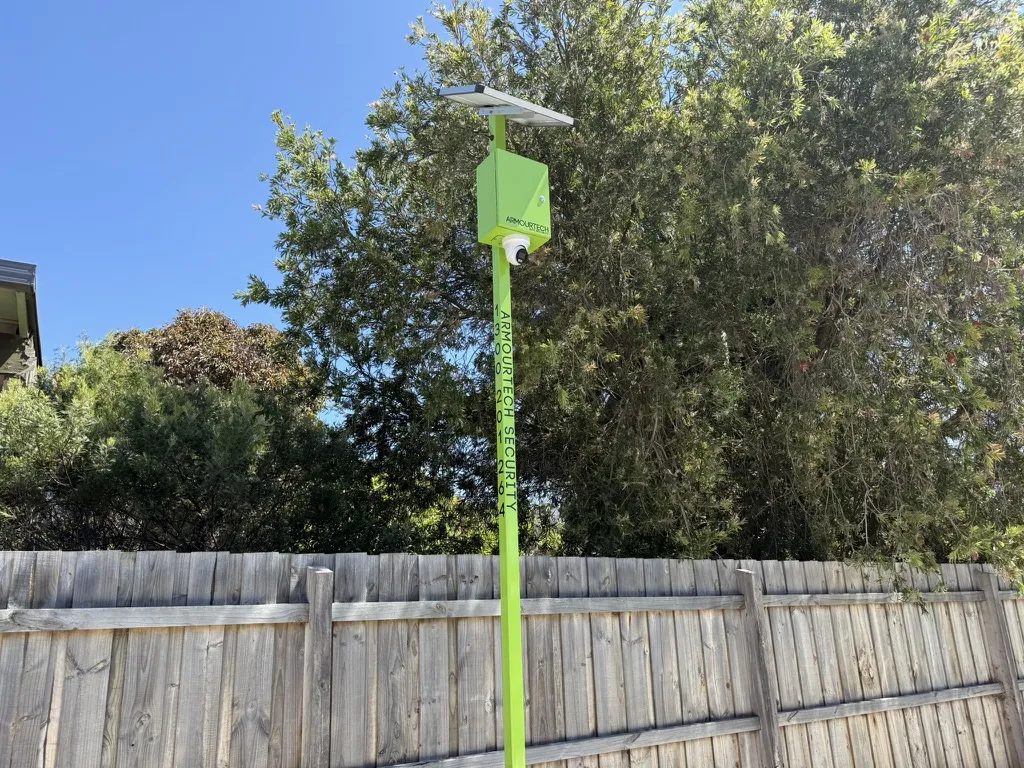

A construction site does not stay the same for long. Excavation changes the ground and access routes. Machinery moves between work areas. Materials arrive and are stored in different locations. Temporary compounds and fencing can also change as the project progresses.
That creates a practical security question: how do you maintain useful surveillance when the site itself keeps changing?
Construction site security cameras can provide visibility across important areas, but the way they are deployed matters. A system designed around permanent power, fixed cabling and established internet may not suit an early-stage project or a site where security requirements are likely to change.
Why Does Construction Site Security Change So Often?
Security requirements can shift with each stage of construction. During site preparation, the perimeter, access points, equipment and materials may require attention. Excavation can introduce large machinery and temporary access routes. As structural work progresses, new buildings and obstructions can affect camera views. Later, internal works bring different materials, tools and restricted areas into focus.
The security system therefore needs to reflect what is happening on the ground, rather than assuming that one camera layout will remain suitable throughout the project. This is particularly relevant because a site can become exposed before its permanent infrastructure is complete. Materials, machinery and tools may already be present while mains power, fixed internet and permanent building infrastructure are still being established.
What Type of Construction Site Security Cameras Work Without Fixed Infrastructure?
The answer is not simply “wireless cameras”. Different infrastructure gaps require different parts of the system.
No fixed cabling: Wireless deployment can reduce reliance on permanent cable runs.
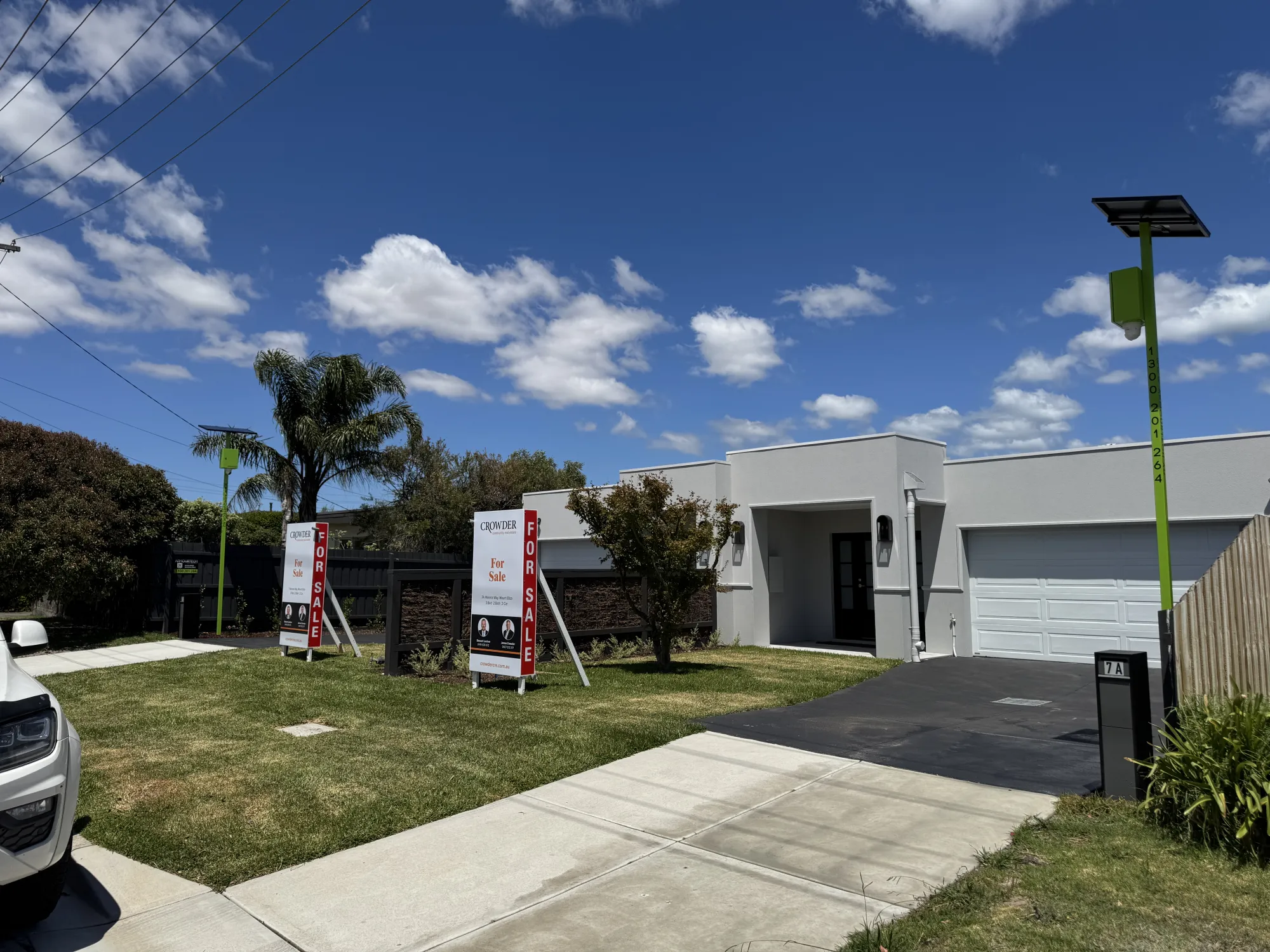
No mains power: Solar power and battery backup can provide an option for temporary surveillance where permanent electricity is unavailable.
No fixed internet: 4G/5G connectivity can provide a mobile communication path without waiting for broadband or other fixed network infrastructure.
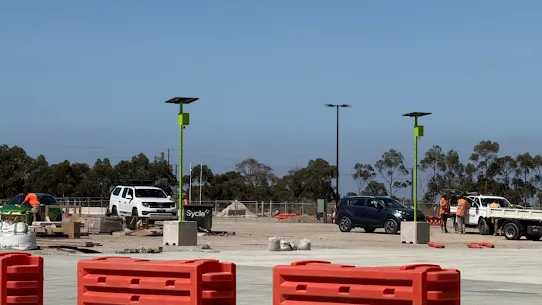
Changing site conditions: Portable cameras can be repositioned as work zones, access routes, storage areas and other security priorities change.
Managers working off-site: Remote viewing can provide authorised users with access to cameras and site activity without requiring them to be physically present.
The important point is that these technologies work together around the conditions of the site. The security system does not need to wait for the finished building before it can be considered.
Where Should Onsite Security Cameras Be Positioned?

Camera placement should follow the site's actual security requirements.
Depending on the project, this may include:
- Main vehicle entrances and exits
- Pedestrian access points
- Material storage areas
- Machinery and equipment zones
- Site offices and temporary compounds
- Delivery areas
- Perimeter approaches
- Less visible areas of the site
There is no universal camera layout for every construction project. A large civil site, a residential development and a commercial building project can have very different access arrangements and risk areas.
As work progresses, the most useful positions can change. A camera that provided a clear view during excavation may become obstructed by new structures or less relevant once materials are moved elsewhere. Portable surveillance allows the setup to respond to those changes.
Do Temporary Site Security Cameras Need Fixed Internet?
Not necessarily. A developing site may not yet have fibre, fixed broadband or an established network. 4G/5G connectivity can provide a communication path for surveillance without waiting for permanent internet infrastructure.
This can make temporary site security cameras particularly practical during early construction or at locations where fixed connectivity is not readily available.
Remote access also gives authorised users another way to check activity, review footage and maintain visibility across a site when they cannot be there themselves.
What Makes Building Site CCTV More Practical?
The value of building site CCTV is not just having cameras recording footage. It is having surveillance that fits the way the project operates.
For example, people and vehicle detection can help identify relevant activity, making alerts more useful than relying only on movement detection. Professional monitoring can add another layer of human oversight for relevant security events.
CCTV should still form part of a broader site-security approach alongside measures such as fencing, gates, lighting, secure storage, access control and site management.
When Does Flexible Construction Surveillance Make Sense?
Temporary surveillance can be worth considering when:
- Permanent infrastructure is not ready
- Mains power is unavailable
- Fixed internet is unavailable
- The site layout is changing
- Camera positions may need to move
- Security requirements differ between project stages
- The project has a defined temporary duration
Permanent CCTV can still be appropriate where infrastructure already exists, camera positions are stable and long-term surveillance is required. The better question is not which system is universally better, but which approach suits the project?
Security That Adapts to the Site
This is where ArmourTech's temporary site-security approach fits. Systems can be built around wireless deployment, solar power, battery backup, 4G/5G connectivity, portable cameras and remote access, depending on the requirements of the project.
The aim is to develop surveillance around the construction environment rather than force a temporary site to accommodate a security system designed for permanent infrastructure.
If your site is changing, its security requirements may be changing with it. Find out how ArmourTech can design a security setup around your site's layout, infrastructure, access points and project stage with its site security solutions.






















Sign in to leave a comment.