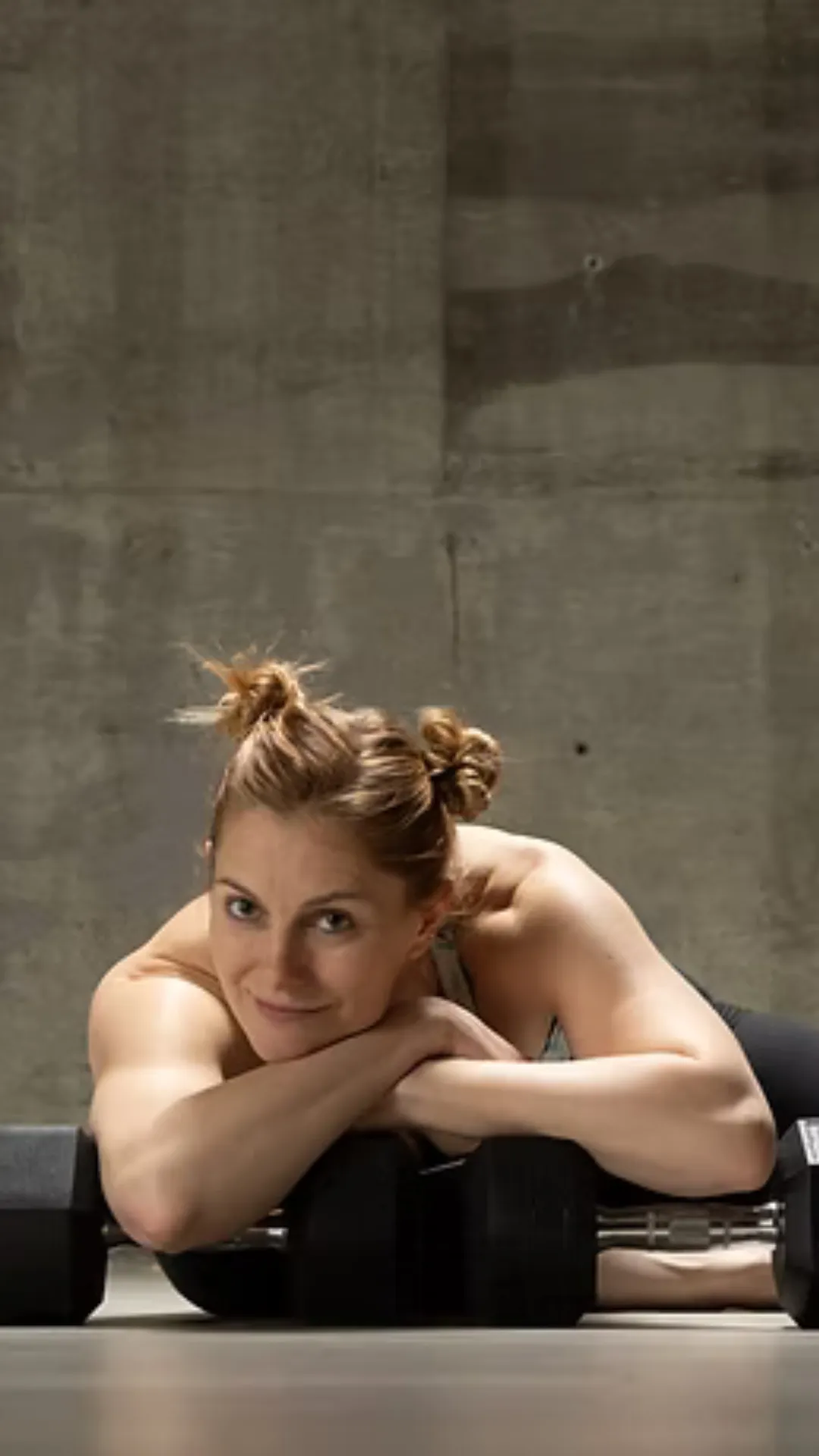

For a long time, fitness was often measured by how much weight someone could lift, how many miles they could run, or how quickly they could complete a workout. Today, more people are starting to look at fitness differently. Instead of focusing only on performance or appearance, they are asking a more practical question: Can I move well and feel good while doing it?
That shift has made movement quality, mobility, balance, coordination, and proper technique a bigger part of modern fitness. People want workouts that fit their bodies, lifestyles, and current abilities rather than forcing themselves into a routine that may not be appropriate for them.
This is where corrective exercise can become an important part of a well-rounded fitness approach. Rather than simply adding more weight or increasing workout intensity, it focuses on improving movement patterns, addressing limitations, and helping people develop better control over how they move.
What Is Corrective Exercise?
Corrective exercise is a movement-based approach designed to help improve how the body performs specific movements. It may be used when someone has limited mobility, poor movement mechanics, muscle imbalances, or difficulty performing certain exercises correctly.
The goal is not to label every movement problem as an injury or to suggest that every person needs specialized exercises. Instead, the approach starts by looking at how someone moves and identifying areas that could benefit from greater mobility, stability, strength, or coordination.
For example, someone may struggle to perform a comfortable squat because of limited ankle mobility. Another person may have difficulty maintaining good posture during a pressing movement because they lack sufficient upper-body control. In these situations, changing the exercise, adjusting the range of motion, or working on a specific movement pattern can make training more effective.
Why Movement Quality Matters
Strength is valuable, but strength without good movement habits may not translate well into everyday life.
Think about the movements you perform outside the gym. You might bend down to pick something up, carry groceries, climb stairs, reach for something on a high shelf, get up from the floor, or move quickly to catch your balance.
These activities require more than raw strength. They involve coordination, stability, mobility, balance, and body awareness.
A movement-focused training program considers these factors together. This can make exercise feel more relevant because the skills being developed can support everyday activities.
Functional Strength Is More Than Lifting Heavy
One of the biggest changes in modern fitness is the growing interest in practical strength. Instead of measuring progress only by the amount of weight someone can lift, people are also interested in how strength helps them move through daily life.
Functional strength training exercises can include movements such as:
- Squatting and sitting down with control
- Carrying and lifting objects safely
- Pushing and pulling
- Stepping and balancing on one leg
- Rotating and resisting rotation
- Getting up and down from the floor
These movements can be modified for different fitness levels. A beginner might start with a bodyweight squat or supported balance exercise, while a more experienced person could progress to loaded movements.
The important point is that functional training does not have to look the same for everyone.
Corrective Exercise Does Not Mean You Have to Stop Strength Training
There is sometimes a misconception that corrective work means spending an entire workout doing small, isolated movements.
In reality, movement-focused exercises can complement traditional strength training.
A trainer might use mobility drills during a warm-up, adjust an exercise to suit someone's current range of motion, or introduce stability exercises alongside strength movements. As movement improves, exercises can gradually become more challenging.
For example, a person who has difficulty with a bodyweight squat might begin with a supported variation. Over time, they may work toward an independent squat and eventually add resistance.
This gradual approach allows training to meet the person where they are rather than expecting them to perform an advanced movement immediately.
Who Can Benefit From Movement-Focused Training?
Movement-focused training can be useful for a wide range of people. You do not need to be an athlete or have a major movement limitation to benefit from learning better exercise technique.
It may be particularly useful for:
- People who are new to exercise
- Adults returning to fitness after a long break
- People who want to improve mobility and balance
- Individuals who want to build strength for everyday activities
- Older adults looking to maintain physical independence
- People who feel uncomfortable with certain exercises
- Active individuals who want to improve movement efficiency
The right approach depends on the individual. A good training program should consider someone's experience, goals, movement abilities, lifestyle, and comfort level.
How a Trainer Can Make Exercise More Personalized
Following a generic workout online can be convenient, but it does not always account for how an individual actually moves.
A personal trainer can observe exercise technique, make appropriate modifications, and help determine when an exercise should become easier or more challenging.
Personalized coaching can also make workouts less intimidating. Instead of wondering whether you are performing an exercise correctly, you have someone who can provide feedback and explain why a particular movement is being used.
This is especially helpful for beginners who may not know how to structure a balanced workout or choose appropriate exercises.
Focus on Progress, Not Perfection
Improving movement is not about achieving perfect technique overnight. Bodies are different, and movement patterns can change depending on experience, fatigue, mobility, strength, and other factors.
A more useful goal is gradual progress.
You might notice that you can squat more comfortably, maintain better balance, carry something with greater control, or complete a workout without feeling as restricted as before. These improvements can be meaningful signs of progress even if the number on the weight stack has not changed dramatically.
Fitness becomes more sustainable when people learn to pay attention to these changes.
A Smarter Way to Think About Strength and Fitness
The modern approach to fitness is increasingly moving beyond appearance and performance alone. Strength still matters, but so do mobility, coordination, stability, balance, confidence, and the ability to move comfortably through everyday life.
Movement-focused training can help people understand what their bodies need and make exercise more adaptable. It encourages people to build a foundation before continually adding intensity.
Ultimately, fitness does not have to be about doing the hardest workout possible. It can be about becoming stronger, moving with greater control, and building physical abilities that support the life you want to live.
When thoughtfully incorporated into a personalized program, functional strength training exercises can help turn strength training into something practical, adaptable, and useful for everyday movement.
FAQs
1. What is corrective exercise and who is it for?
Corrective exercise focuses on improving movement quality by working on areas such as mobility, stability, coordination, strength, and movement control. It can be useful for beginners, active adults, older adults, or anyone who wants to improve how they perform specific movements.
2. Can corrective exercise be combined with strength training?
Yes. Corrective exercises can complement strength training rather than replace it. Mobility, stability, and technique-focused movements can be included in warm-ups or workouts while gradually progressing toward more challenging strength exercises.
3. How can functional strength training help with everyday activities?
Functional training can develop strength and control for movements that people commonly use in daily life, such as squatting, carrying, pushing, pulling, stepping, balancing, and lifting. Exercises can be adjusted according to a person's fitness level and goals.



















Sign in to leave a comment.