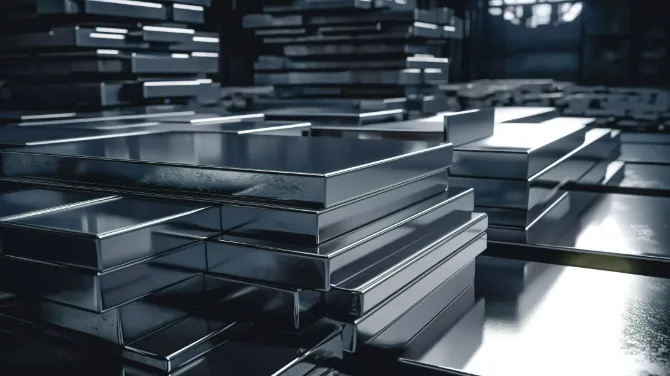

Dimensional accuracy is one of the most important considerations when selecting stainless steel tubing for fabrication, architectural structures, furniture, transportation equipment, and engineering applications. Even when the correct stainless steel grade has been selected, variations in outside diameter, wall thickness, length, straightness, and other dimensions can create challenges during fabrication and assembly.
ASTM A554 covers welded stainless steel mechanical tubing intended for applications such as ornamental, structural, and mechanical uses. Within these applications, Grade 304 is widely selected because of its corrosion resistance, formability, weldability, and attractive surface appearance.
For buyers working with a Stainless Steel A554 Grade 304 Manufacturer, understanding dimensional tolerances is essential for achieving consistent fabrication results, reducing material waste, and improving the reliability of finished products.
What Are Dimensional Tolerances?
Dimensional tolerance refers to the permitted variation from a specified measurement. Manufacturing processes cannot produce every tube at an absolutely identical dimension, so standards establish acceptable limits for characteristics such as diameter, wall thickness, and length.
For stainless steel tubing, dimensional considerations can include:
- Outside diameter
- Wall thickness
- Inside diameter
- Length
- Straightness
- Squareness of ends
- Ovality
- Weld bead characteristics
- Surface condition
The appropriate tolerance depends on the applicable product specification, size, manufacturing method, and customer requirements.
Why Dimensional Accuracy Matters
A stainless steel tube may need to fit precisely into another component, frame, bracket, connector, or assembly. If its dimensions fall outside the required range, fabrication may become more difficult.
Consistent dimensions can help manufacturers achieve:
- Easier cutting and forming
- Better fit-up
- More consistent welding
- Improved assembly
- Reduced machining requirements
- Lower material waste
- Better finished-product appearance
This is especially important when hundreds or thousands of components are manufactured using the same tubing specification.
Importance in Stainless Steel Furniture Pipes
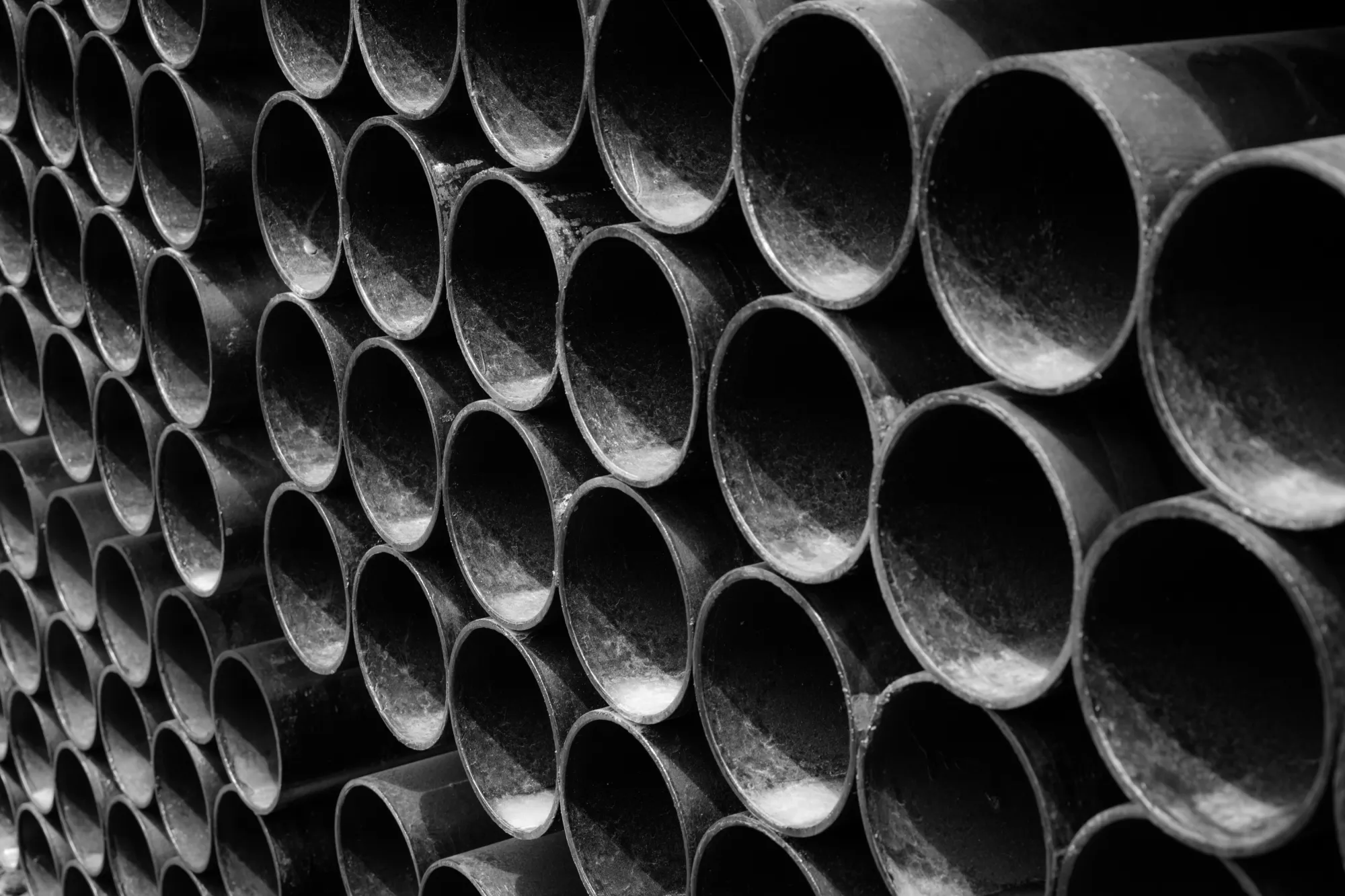
Stainless Steel Furniture Pipes are commonly used for chairs, tables, railings, frames, shelving, display systems, and other fabricated products. In these applications, dimensional consistency can have both functional and visual importance.
For example, when tubing is used to manufacture a furniture frame, variations in diameter or straightness can affect how different sections align during assembly.
Accurate tubing can support:
- Consistent frame geometry
- Cleaner weld joints
- Uniform appearance
- Easier bending
- Better component alignment
- Reduced fabrication adjustments
For high-volume furniture manufacturing, even small dimensional inconsistencies can increase production time and material costs.
Wall Thickness and Fabrication
Wall thickness is another important dimensional characteristic. Tubes with different wall thicknesses may behave differently during cutting, bending, welding, and forming.
Consistent wall thickness can help fabricators achieve predictable results.
It can influence:
- Welding parameters
- Tube strength
- Bending performance
- Machining requirements
- Component weight
- Overall product design
A reliable Stainless Steel A554 Grade 304 Manufacturer should maintain appropriate process controls to ensure that the supplied tubing meets the specified requirements.
Dimensional Tolerance and Welding
Welding is widely used when stainless steel tubes are fabricated into frames, structures, and assemblies. Proper fit-up between components can make the welding process more efficient.
When tubing dimensions are consistent, fabricators can achieve more predictable joint preparation and alignment.
Benefits can include:
- Better joint fit-up
- Reduced adjustment
- More consistent weld appearance
- Improved production efficiency
- Reduced rework
However, welding performance also depends on material condition, welding procedure, joint design, equipment, and operator or automated-process control.
Straightness Matters in Long Tubes
Straightness can be particularly important for long tube sections and applications where the finished product must maintain a precise linear profile.
Excessive deviation from straightness may create difficulties during:
- Structural assembly
- Furniture frame fabrication
- Railings
- Machinery construction
- Automated processing
- Tube cutting
A straight tube can make downstream fabrication more predictable and reduce the need for corrective operations.
Dimensional Accuracy and Automated Production
Modern manufacturing increasingly relies on automated cutting, bending, welding, and assembly equipment. These machines often work according to programmed dimensions.
Consistent tubing dimensions can therefore improve compatibility with automated production systems.
For example, automated equipment may be programmed for a specific:
- Tube diameter
- Wall thickness
- Cutting length
- Bend radius
- Joint configuration
If incoming material varies significantly, production efficiency can be affected.
Quality Control at the Manufacturing Stage
Maintaining dimensional tolerances requires effective quality control throughout manufacturing rather than relying only on final inspection.
A professional Stainless Steel A554 Grade 304 Manufacturer may use a combination of process monitoring and inspection techniques.
Quality control can include:
- Raw material verification
- Dimensional measurement
- Wall thickness inspection
- Surface inspection
- Straightness checks
- Weld inspection
- Length verification
- Final product inspection
Advanced measuring equipment can help manufacturers detect dimensional deviations before products reach the customer.
The Role of Material Selection
Grade 304 stainless steel is popular for numerous general-purpose applications, but material selection should always be based on the actual service environment.
For applications involving more demanding corrosion conditions, designers may consider alternatives such as 316 stainless steel where appropriate.
A Manufacturer of Stainless Steel 316 Pipes can provide products based on 316-grade material for applications where its specific corrosion-resistance characteristics are beneficial.
The important point is that material grade and dimensional accuracy are separate considerations. Selecting the correct grade does not eliminate the need to specify and control dimensions.
Surface Finish and Appearance
Dimensional consistency is not the only consideration for visible stainless steel applications. Surface appearance can also be important, particularly for architectural and furniture products.
Stainless Steel Furniture Pipes may be visible in the final product, making surface condition, finish, and uniformity important alongside dimensional accuracy.
Manufacturers and fabricators may specify finishes based on the intended application, such as:
- Mill finish
- Brushed finish
- Polished finish
- Satin finish
- Decorative finish
The exact finish should be agreed upon between the buyer, manufacturer, and fabricator.
Reducing Material Waste
Dimensional inconsistency can lead to additional cutting, machining, adjustment, or rejection. These activities can increase material waste.
Accurate tubing can help optimize production by reducing unnecessary corrective work.
Potential benefits include:
- Better material utilization
- Fewer rejected components
- Reduced rework
- Improved production efficiency
- Lower processing costs
For large-scale manufacturing projects, these benefits can become significant.
Why Buyers Should Discuss Tolerances Early
Buyers should communicate dimensional requirements before production begins. Simply specifying “Grade 304 stainless steel tube” may not provide enough information for a specialized fabrication project.
Project specifications may need to address:
- Tube dimensions
- Wall thickness
- Length
- Surface finish
- Grade
- Applicable standard
- Quantity
- Testing requirements
- Packaging requirements
- Special tolerances, where applicable
Early communication allows the Stainless Steel A554 Grade 304 Manufacturer to understand the intended application and production requirements.
How to Choose a Reliable Manufacturer
When sourcing stainless steel mechanical tubing, buyers should evaluate more than price.
Important factors include:
- Manufacturing capabilities
- Quality-control procedures
- Dimensional inspection systems
- Material traceability
- Surface-finish capabilities
- Production capacity
- Customization options
- Technical support
- Documentation
- Delivery reliability
A manufacturer with strong process controls can provide greater consistency across repeated orders.
Conclusion
Dimensional tolerances play a critical role in the performance and manufacturability of stainless steel tubing. For applications ranging from architectural structures to Stainless Steel Furniture Pipes, consistent diameter, wall thickness, length, straightness, and other dimensions can simplify fabrication and improve finished-product quality.
Choosing an experienced Stainless Steel A554 Grade 304 Manufacturer helps buyers obtain tubing produced according to appropriate specifications and quality requirements. At the same time, applications requiring different corrosion-resistance characteristics may call for products from a Manufacturer of Stainless Steel 316 Pipes.

























Sign in to leave a comment.