

Open the passenger door of almost any car and there it is: a little rectangular door staring back at you.
The glove box.
And despite the name, there is a pretty good chance there isn't a single glove inside it.
Instead, you might find an owner's manual, registration papers, sunglasses, old parking receipts, a tire-pressure gauge, random charging cables, or that one pen that somehow hasn't disappeared.
So why is it called a glove box in the first place?
The answer goes back to a time when driving was a very different experience. Cars were colder, roads were rougher, and driving equipment looked nothing like it does today. The humble glove box actually has a surprisingly practical history.
The Original Glove Box Was Actually About Gloves
Early automobiles did not have the warm, climate-controlled cabins we take for granted.
Many cars were open to the weather, while others had limited heating. Drivers also had to deal with exposed steering wheels, cold air, dust and uncomfortable driving conditions.
Gloves were therefore not a fashion accessory. They were useful driving equipment.
Drivers commonly wore special driving gloves to protect their hands from cold weather, vibration and the materials used inside early vehicles.
Naturally, manufacturers needed somewhere to store them.
That small storage compartment eventually became known as the glove compartment, or simply the glove box.
The funny part is that the name survived long after its original purpose became less important.
It's a little like calling the refrigerator an "icebox" even though most modern refrigerators don't contain a block of ice.
So When Did It Stop Being a Glove Box?
Cars changed.
Cabins became enclosed. Heating systems improved. Steering wheels became more comfortable. Driving became less physically demanding, and gloves stopped being essential equipment for most drivers.
But the storage compartment remained.
Automakers had already found a convenient place to add useful storage in front of the passenger seat, so there wasn't much reason to remove it.
The glove box simply evolved.
Instead of storing gloves, it became the place where drivers put things they didn't know where else to put.
Owner's manual?
Glove box.
Insurance papers?
Glove box.
Registration?
Glove box.
Three-year-old receipt from a gas station?
Somehow, also glove box.
The Glove Box Became a Tiny Car Filing Cabinet
Modern glove boxes are surprisingly useful because they keep small items within reach without filling the cabin.
Depending on the vehicle, you might store:
- Vehicle documents
- Owner's manual
- Insurance information
- Registration papers
- Tire-pressure gauge
- Small flashlight
- Sunglasses
- Charging cables
- Emergency contact information
- Parking permits
- Service records
Some vehicles take things even further.
Certain glove boxes are cooled, allowing drivers to keep drinks or temperature-sensitive items inside. Others have locks, adjustable compartments or removable storage trays.
So although the gloves disappeared, the glove box became more useful in other ways.
Why Is It Usually in Front of the Passenger?
There is some very practical reasoning behind the location.
The area in front of the passenger has historically been one of the easier places to create storage without taking up much useful cabin space.
The dashboard already occupies that section of the vehicle, so manufacturers can build a compartment into it.
It also keeps storage away from the driver's feet and controls.
There is another reason, too.
A driver shouldn't be reaching into a storage compartment while driving. Putting it in front of the passenger makes it more practical for someone else in the car to access it.
Of course, that doesn't stop people from digging through it at a red light.
What Happens to the Glove Box When a Car Gets Old?
This is where an ordinary piece of plastic becomes part of a much bigger story.
Cars don't last forever.
Eventually, a vehicle may become too expensive to repair, suffer serious accident damage, fail mechanically, or simply reach the point where keeping it on the road doesn't make financial sense.
When that happens, the entire vehicle can eventually move into the recycling and dismantling system.
A vehicle heading to an auto wrecker isn't necessarily treated as one giant pile of useless metal.
It can contain many materials and components that still have a purpose.
The glove box itself is a good example.
The plastic may be separated during processing, while usable components from the vehicle may be removed before the remaining body is processed for material recovery.
The same basic idea applies to dashboards, interior panels, wiring, wheels, glass and various metal components.
Your Car Is More Than Its Engine and Body
People often think about a vehicle's value in very simple terms.
Engine.
Transmission.
Body.
Done.
But an old vehicle is essentially a collection of materials and components assembled into one machine.
That is why dismantling and recycling can be more complicated than simply crushing a car.
An auto wrecker may inspect a vehicle for components that can still be useful before the remaining material is processed.
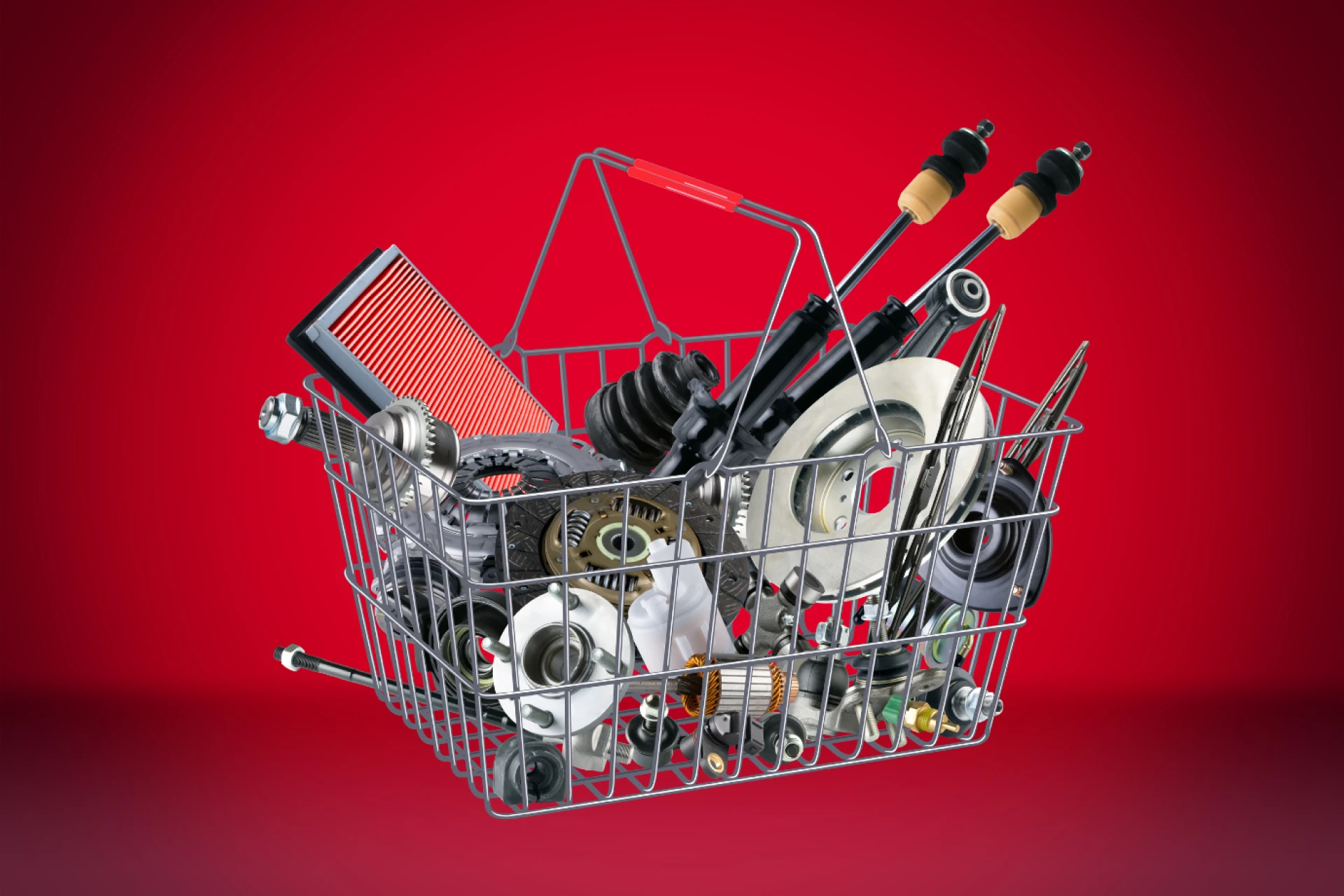
Depending on the vehicle and its condition, parts such as mirrors, wheels, alternators, starters, catalytic converters, electronics and interior components may have value.
Even materials that can't realistically be reused as vehicle parts can potentially enter recycling streams.
The glove box is just one tiny example of this.
And Yes, Someone Might Still Want Those Gloves
The original purpose of the compartment hasn't completely disappeared.
Some drivers still keep gloves there, especially people who regularly drive in cold weather.
In Canada, that actually makes a fair amount of sense.
A pair of work gloves, winter gloves or emergency gloves can be useful when dealing with a flat tire, checking something under the hood or handling a frozen door handle.
So perhaps the glove box isn't completely misnamed after all.
It's just that modern drivers have given it many more jobs.
Why Don't Manufacturers Rename It?
This is probably the funniest part.
Automakers could call it a "dashboard storage compartment."
Technically, that would be much more accurate.
But imagine someone saying:
"Can you check the dashboard storage compartment?"
It doesn't have quite the same ring.
"Check the glove box" is shorter, familiar and understood almost everywhere.
Language is full of these leftovers.
We still "hang up" phones that don't hang on anything.
We "roll down" windows even when they move electronically.
And we put things in a glove box without owning a single glove.
Sometimes old terminology simply survives because everyone knows what it means.
What Should You Keep in Your Glove Box?
While the glove box isn't really a glove box anymore, it can still be a useful part of your car.
A sensible setup could include:
Important documents: Keep the documents you may actually need while driving organized and easy to access.
Emergency information: Important contact details can be useful if someone else needs to help you after an incident.
Small tools: A tire-pressure gauge or compact flashlight can take up very little room.
Vehicle information: Your owner's manual can save you from guessing what a warning light means.
A pen: Because somehow, there is always a moment when you need one.
But avoid turning the glove box into a miniature junk drawer.
Too much clutter can make it difficult to find important items when you actually need them.
From Gloves to Scrap: The Long Life of a Car
There is something oddly satisfying about the history of the glove box.
A compartment originally designed for driving gloves eventually became a storage area for paperwork, cables and miscellaneous objects.
And when the vehicle finally reaches the end of its road life, even that compartment becomes part of the vehicle's material story.
If a severely damaged or unwanted vehicle is no longer practical to keep, car removal for cash can be one option owners investigate. Depending on the vehicle's condition, age, weight, parts and local market conditions, its remaining value can come from different sources.
Some vehicles may have reusable parts.
Others may have more value as recyclable material.
And some may contain a combination of both.
The important thing is that an old car doesn't suddenly become "nothing" just because you no longer want to drive it.
The Glove Box Is a Tiny Reminder of How Cars Evolve
The name has stayed the same while the purpose changed completely.
What began as a place for driving gloves became a storage compartment. Then it became a place for paperwork, manuals, sunglasses and things that mysteriously accumulate over several years.
And eventually, the entire car can move from everyday transportation into the recycling, dismantling or salvage system.
That's one of the interesting things about old cars. Almost every ordinary feature has a story behind it.
Even the little box in front of the passenger seat.
So next time you open your glove box and find absolutely no gloves inside, don't worry.
You're actually using it exactly the way modern cars intended.
Just not the way its name originally suggested.





























Sign in to leave a comment.