

Have you ever finished a meal and then noticed stomach pain, cramps, heaviness, or discomfort? Occasional discomfort may happen after eating too quickly or having a very heavy meal. But if stomach pain keeps returning after meals, it is worth paying attention to what your body is telling you.
There can be several reasons for pain after eating, ranging from simple eating habits to digestive conditions that may need proper evaluation.
What Can Cause Stomach Pain After Eating?
Stomach pain after meals does not always mean something serious. Some common causes include:
- Eating too quickly: Eating fast can make you swallow more air and may lead to gas, bloating, and discomfort.
- Large or heavy meals: Very large portions can make digestion uncomfortable, particularly if they are high in fat.
- Acidity or indigestion: Acid-related problems can cause burning, discomfort, fullness, or pain after meals.
- Food intolerance: Some people may have difficulty digesting certain foods, which can lead to gas, bloating, cramps, or loose motions.
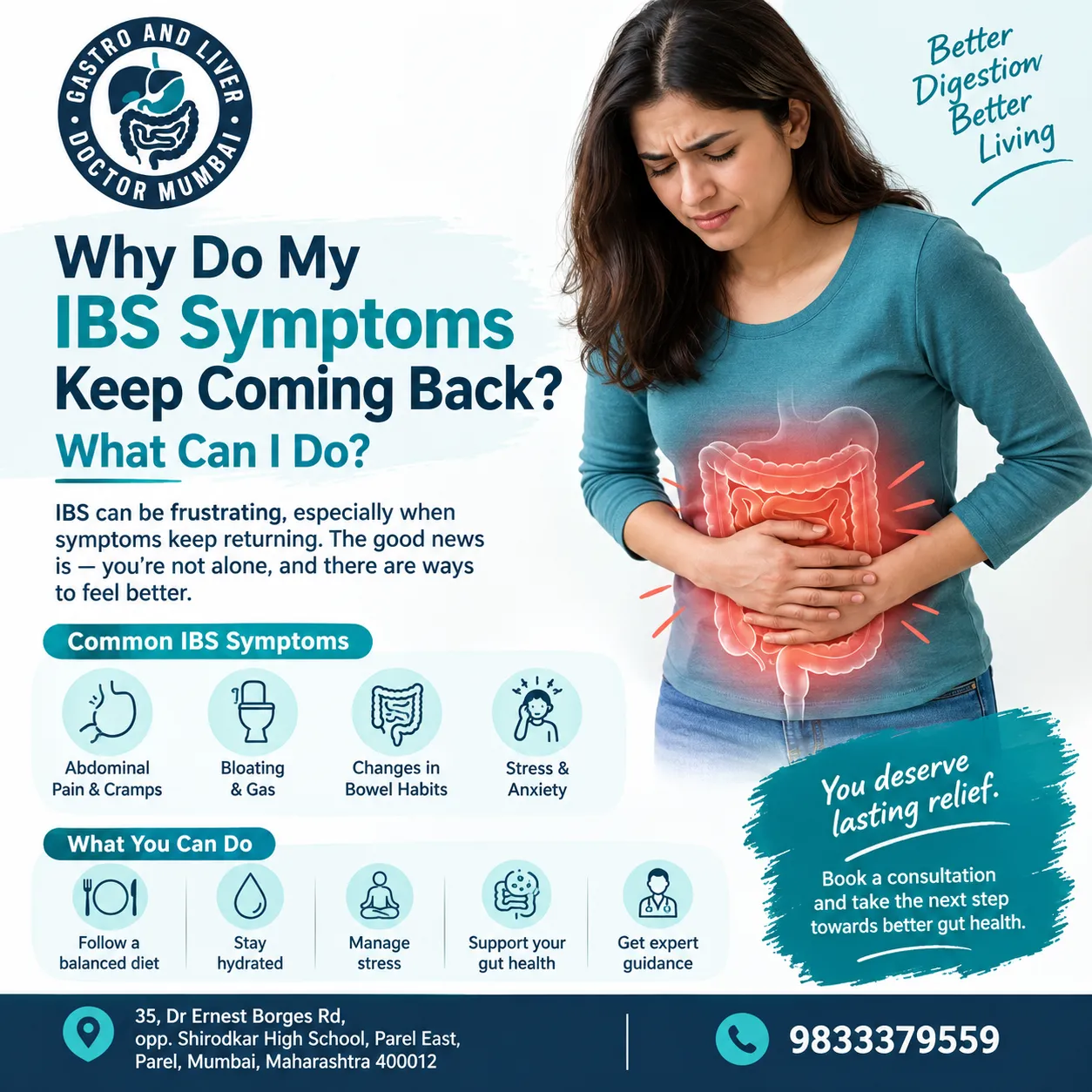
- Irritable bowel syndrome (IBS): IBS can cause abdominal pain along with bloating, constipation, or diarrhoea. Certain foods and stress may trigger symptoms.
- Gallbladder problems: Gallstones can sometimes cause pain, particularly after fatty meals, often in the upper right side of the abdomen.
The exact cause can vary from person to person, so recurring symptoms should not simply be treated with home remedies without understanding the reason.
Could Your Eating Habits Be Triggering the Pain?
Sometimes, small changes in everyday habits can make a noticeable difference. Try paying attention to when the pain occurs and what you ate before it started.
For example, keep note of:
- Foods that seem to trigger discomfort
- Whether you eat very large portions
- How quickly you finish your meals
- Whether symptoms happen after spicy or oily foods
- Whether stress or poor sleep seems to make symptoms worse
Eating smaller portions, chewing food properly, staying hydrated, and avoiding foods that repeatedly trigger symptoms may help some people.
However, these steps should not replace medical evaluation when pain is frequent or persistent.
When Should You See a Gastroenterologist?
If stomach pain repeatedly happens after eating, especially when it is affecting your daily routine, speaking with a gastroenterologist can help identify the underlying cause.
A doctor may ask about your symptoms, eating habits, bowel movements, medications, and medical history. Depending on your symptoms, tests may sometimes be recommended to understand what is causing the problem.
Seeking guidance from the best gastrointestinal doctor in Mumbai can be particularly useful when recurring digestive symptoms are interfering with eating, sleeping, working, or enjoying everyday activities. Dr. Harshad Joshi focuses on understanding the individual's symptoms and identifying the possible cause before deciding on an appropriate treatment approach.
What Treatment Might Be Recommended?
Treatment depends entirely on the underlying cause. There is no single treatment that works for every type of stomach pain.
Depending on the diagnosis, management may include:
Diet and lifestyle changes: Adjusting meal portions, identifying trigger foods, improving hydration, and developing healthier eating habits.
Medicines: If acidity, IBS, infection, or another digestive condition is identified, your doctor may recommend appropriate medicines.
Further evaluation: Persistent or unexplained symptoms may require tests such as blood tests, ultrasound, or other digestive investigations.
The goal is not simply to reduce pain temporarily but to understand why it keeps happening and manage the underlying digestive problem appropriately.
Can You Prevent Stomach Pain After Meals?
You may be able to reduce digestive discomfort by developing consistent eating habits. Eat slowly, avoid overeating, stay active, drink enough water, and notice which foods seem to cause problems.
It can also help to avoid repeatedly taking over-the-counter medicines without knowing the cause of your symptoms. If the discomfort continues despite lifestyle changes, professional advice is a better next step.
For people dealing with recurring stomach pain, bloating, acidity, indigestion, or changes in bowel habits, consulting the Best Gastrointestinal Doctor in Mumbai can help in getting the symptoms properly assessed and managed. Dr. Harshad Joshi can help patients understand their digestive symptoms and discuss suitable next steps based on their individual needs.
The Bottom Line
Stomach pain after eating can have many possible causes. It may be related to eating habits, acidity, food intolerance, IBS, gallbladder problems, or another digestive condition.
You do not need to panic over occasional discomfort, but recurring pain deserves attention. Keeping track of your symptoms and discussing them with a qualified specialist can help you understand what is really causing the problem.
If you are looking for the Best Gastrointestinal Doctor in Mumbai, choose a specialist who takes time to understand your symptoms and recommends treatment based on your individual condition rather than treating every digestive problem in the same way.
For More Information:
Visit: https://gastroandliverdoctormumbai.com/

























Sign in to leave a comment.