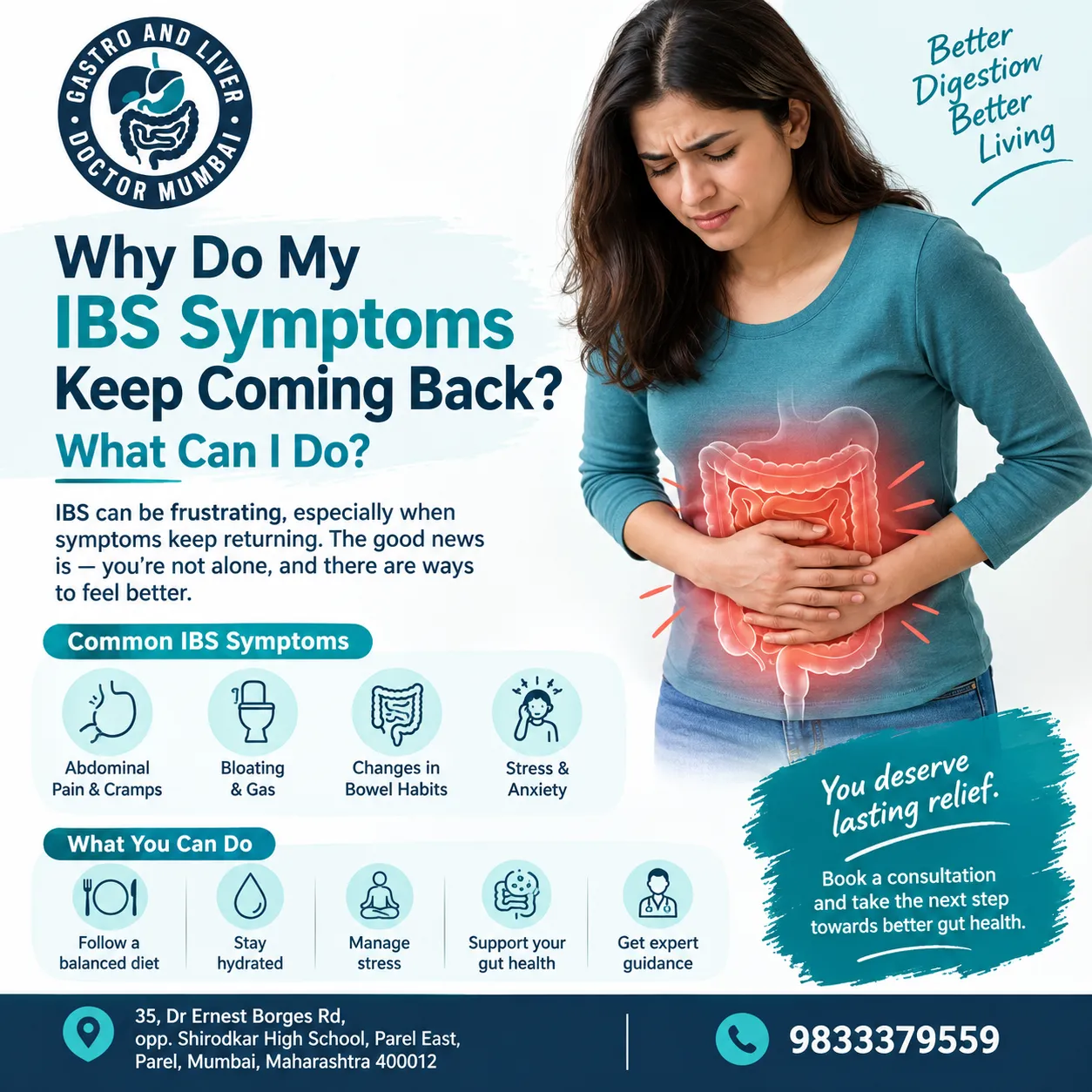


Have you ever felt like your IBS symptoms are finally under control, only to have bloating, stomach cramps, gas, constipation, or diarrhoea return again? If so, you are not alone. IBS can be frustrating because symptoms may improve for some time and then come back, sometimes without an obvious reason.
The good news is that recurring IBS symptoms do not necessarily mean something is seriously wrong. IBS is a long-term digestive condition, and symptoms can often be managed by understanding your triggers and following a consistent treatment and lifestyle plan.
Why Do IBS Symptoms Keep Coming Back?
IBS symptoms can return when something triggers the gut or changes your normal routine. Triggers are different for everyone, but some common ones include:
- Certain foods or large meals
- Stress and emotional pressure
- Poor sleep or changes in your daily routine
- Too much caffeine or fizzy drinks
- Lack of physical activity
- Hormonal changes
- Skipping meals or eating at irregular times
Sometimes, several triggers can occur together. For example, a stressful week combined with poor sleep and irregular meals may lead to an IBS flare-up.
Keeping a simple food and symptom diary can help you notice patterns that may otherwise be easy to miss.
Can the Right IBS Treatment Help?
Yes. IBS treatment is not usually about finding one medicine that works for everyone. The approach often depends on your symptoms and their frequency.
For example, someone mainly dealing with constipation may need a different approach from someone who experiences frequent diarrhoea. People with severe bloating or abdominal pain may also need different strategies.
The goal is to reduce symptoms, improve bowel habits, and help you get back to your normal routine.
When looking for the Best IBS Treatment in Mumbai, it is important to focus on an approach that considers your individual symptoms rather than simply treating one symptom temporarily.
Dr. Harshad Joshi can help evaluate your digestive complaints, understand your symptom pattern, and discuss suitable treatment options based on your individual needs.
What Can You Do When IBS Symptoms Flare Up?
Small, consistent habits can make a noticeable difference for many people. During an IBS flare-up, consider:
Eat smaller meals: Large meals may worsen bloating and discomfort. Eating smaller portions at regular times may be easier on your digestive system.
Identify your food triggers: Foods that cause symptoms in one person may not affect another. Keep track of what you eat and how your body responds.
Stay physically active: Regular walking or other comfortable exercise can support healthy bowel movements and overall digestive health.
Manage stress: Stress does not mean that IBS is “all in your head.” The brain and digestive system communicate closely, and stress can influence gut symptoms.
Maintain a regular routine: Consistent meal times, adequate sleep, hydration, and physical activity can support better symptom management.
When Should You See a Gastroenterologist?
If your IBS symptoms keep returning or are interfering with work, sleep, travel, or daily activities, it may be time to speak with a gastroenterologist.
A doctor may review your symptoms, medical history, eating habits, and bowel patterns. Depending on your situation, certain tests may also be recommended to rule out other digestive conditions.
You should also seek medical advice if you notice symptoms that are unusual for your typical IBS pattern, such as unexplained weight loss, blood in the stool, persistent vomiting, or significant changes in symptoms.
How Long Does IBS Treatment Take to Work?
There is no fixed timeline because IBS affects people differently. Some lifestyle changes may help relatively quickly, while identifying food triggers or finding the right treatment approach can take longer.
The important thing is consistency. Stopping and restarting treatment or making several major dietary changes at once can make it difficult to understand what is actually helping.
The Best IBS Treatment in Mumbai should therefore focus not only on short-term symptom relief but also on understanding what repeatedly triggers your symptoms.
Managing IBS Over the Long Term
IBS may not have a permanent cure, but that does not mean you have to live with constant discomfort. With the right diagnosis, treatment, lifestyle changes, and awareness of personal triggers, many people can manage their symptoms effectively.
Dr. Harshad Joshi can guide patients through the process of understanding recurring IBS symptoms and choosing appropriate next steps for better digestive health.
If you are searching for the best IBS treatment in Mumbai, remember that the right approach is personal. What works for one person may not work for another, so professional guidance can help you build a plan that suits your symptoms and daily life.
For more information
Visit us : https://gastroandliverdoctormumbai.com/




























Sign in to leave a comment.