


You have spent eight hours in bed, but you still wake up feeling exhausted. Instead of feeling refreshed and ready for the day, you struggle to get out of bed, feel sluggish or notice stiffness in your back and shoulders.
If this sounds familiar, you may be wondering: Why am I waking up tired even after getting enough sleep?
Although eight hours is within the general recommended sleep range for many adults, the amount of time you spend asleep is only one part of the picture. Sleep quality, your daily routine, bedroom environment and physical comfort can all influence how rested you feel.
Your mattress may also deserve consideration, particularly if you regularly wake up uncomfortable or find it difficult to settle during the night. However, an unsuitable sleep surface is not the only possible explanation for morning fatigue.
In this guide, we explore why you may wake up tired after eight hours, how your mattress can influence sleeping comfort and what to consider when improving your bedroom environment.
1. Why Do You Wake Up Tired After 8 Hours of Sleep?
Sleeping for eight hours does not necessarily mean your sleep has been restorative. Your body moves through different sleep stages, and interruptions or poor sleep quality may affect how refreshed you feel.
There are several possible reasons why you wake up tired, including:
- An inconsistent sleep schedule.
- Stress or anxiety.
- An uncomfortable bedroom environment.
- An unsuitable mattress or pillow.
- Interrupted sleep.
- Underlying sleep or health conditions.
For example, you may spend eight hours in bed but wake up several times because of noise, discomfort or temperature changes. You may not always remember every interruption, yet you could still feel tired the following morning.
Sleep duration versus sleep quality
Sleep duration describes how long you sleep, while sleep quality relates to how well you sleep and how refreshed you feel afterwards.
Both matter. Spending more time in bed may not resolve tiredness if your sleep is consistently disrupted.
If you regularly wake up exhausted despite getting sufficient sleep, consider your overall sleep patterns rather than focusing exclusively on the number of hours you spend in bed.
2. Can Your Mattress Affect Your Sleep Quality?
Yes, your mattress can influence your sleeping comfort, although it is not necessarily the cause of persistent tiredness.
Your mattress supports your body while you sleep. If the surface feels uncomfortable, creates pressure or does not suit your preferred sleeping position, it may affect your experience throughout the night.
Consider whether you experience any of the following:
- Difficulty finding a comfortable sleeping position.
- Regularly turning over or adjusting your position.
- Back, shoulder or hip discomfort when you wake up.
- A mattress that feels uneven or has visible sagging.
- Better comfort when sleeping on a different bed.
These observations can help you assess your sleep environment, but they do not establish that your mattress is responsible for your symptoms.
How comfort and support work together
A comfortable mattress should feel suitable for your body and sleeping preferences. Support is also important because the surface should accommodate your body without creating unnecessary discomfort.
There is no universally perfect mattress firmness. A surface that feels comfortable to one person may feel too firm or too soft to another.
For more information about how Sleep Harvester approaches mattress design, explore its ergonomic mattress technology .
The company describes its approach in terms of body support, pressure distribution and ergonomic design. These are product design principles to consider when comparing mattresses, rather than a guarantee that a particular mattress will resolve sleep problems.
3. Signs Your Mattress May Not Be Right for You
Your mattress does not need to be visibly damaged to feel unsuitable. Changes in your comfort, sleeping preferences or physical needs may also influence whether it remains a good fit.
1. You Wake Up With Recurring Discomfort
If you regularly wake up with stiffness or discomfort, review your mattress, pillow and sleeping position.
Discomfort can have many causes, so do not assume that changing your mattress will automatically resolve it.
2. Your Mattress Is Sagging
Visible sagging or uneven areas may affect the way your body is supported.
Check the condition of your mattress and review the manufacturer's maintenance and replacement guidance.
3. You Struggle to Settle at Night
If you frequently adjust your position or find it difficult to get comfortable, your sleep surface may not be meeting your needs.
Other factors, including stress, temperature and existing pain, can also contribute to difficulty settling.
4. Your Mattress No Longer Suits Your Needs
Your comfort preferences may change over time. A mattress that previously felt suitable may no longer provide the experience you want.
When reviewing your options, consider your sleeping position, body characteristics, preferred firmness and the overall condition of your bed.
4. Does Mattress Firmness Matter for Better Sleep?
Mattress firmness is an important consideration when choosing a bed, but firmer does not automatically mean better.
The right firmness depends on your personal comfort and support preferences. Your sleeping position may also affect how a mattress feels.This is general guidance rather than a clinical recommendation.
Should you choose a soft or firm mattress?
A very soft mattress may not feel supportive enough for some sleepers, while a firm surface may feel uncomfortable for others.
Instead of choosing a mattress based only on its firmness label, consider its construction, comfort layers and the way it feels when you lie on it.
Sleep Harvester offers mattresses across different collections, including pocket sprung, hybrid, traditional pocket and foam designs. You can explore the Sleep Harvester mattress collection to compare available options.
5. Other Reasons You May Wake Up Tired
Although your mattress can influence comfort, it is important to consider other possible causes of morning fatigue.
Stress and anxiety
Stress can make it harder to relax, fall asleep or maintain uninterrupted sleep.
Work pressures, financial concerns and personal responsibilities may all affect your bedtime routine.
Try creating a relaxing wind-down period before bed. If stress continues to affect your sleep, consider seeking appropriate support.
Irregular sleep patterns
Going to bed and waking up at significantly different times may make it harder to maintain a consistent routine.
The NHS recommends maintaining regular sleeping hours as part of good sleep habits.
Try to keep your waking time consistent where practical, including at weekends.
Caffeine and alcohol
What you drink in the evening may affect your sleep.
Caffeine is a stimulant that can interfere with sleep, while alcohol may disrupt sleep later in the night. Consider reducing evening caffeine and avoiding alcohol close to bedtime if these habits appear to affect your rest.
Bedroom temperature
A bedroom that is too warm, noisy or bright may make sleeping comfortably more difficult.
Consider the following adjustments:
- Keep your bedroom at a comfortable temperature.
- Use bedding appropriate for the season.
- Reduce unnecessary noise and light.
- Choose a comfortable pillow and mattress.
- Establish a consistent bedtime routine.
These changes may support better sleep, although individual results vary.
Possible sleep or health conditions
Persistent tiredness should not automatically be blamed on your mattress.
Sleep disorders, including sleep apnoea, and other health conditions can affect sleep quality and daytime energy.
If you regularly feel exhausted despite sufficient sleep, speak with your GP. The NHS advises seeking medical guidance when persistent tiredness affects your daily life or when you have symptoms suggesting an underlying condition.
6. How to Choose a Mattress for Comfortable Sleep
If your current mattress is uncomfortable, replacing it may be worth considering. However, the best choice depends on your personal needs and the features of the product.
Consider your sleeping position
Your preferred position influences where your body makes contact with the mattress.
Side sleepers may focus on pressure comfort around their shoulders and hips. Back sleepers may prioritise a balanced feeling of support, while combination sleepers may want a surface that feels comfortable in multiple positions.
Compare mattress constructions
Different mattress constructions can offer different experiences.
Pocket sprung mattresses: Use individual springs and may offer a responsive feel.
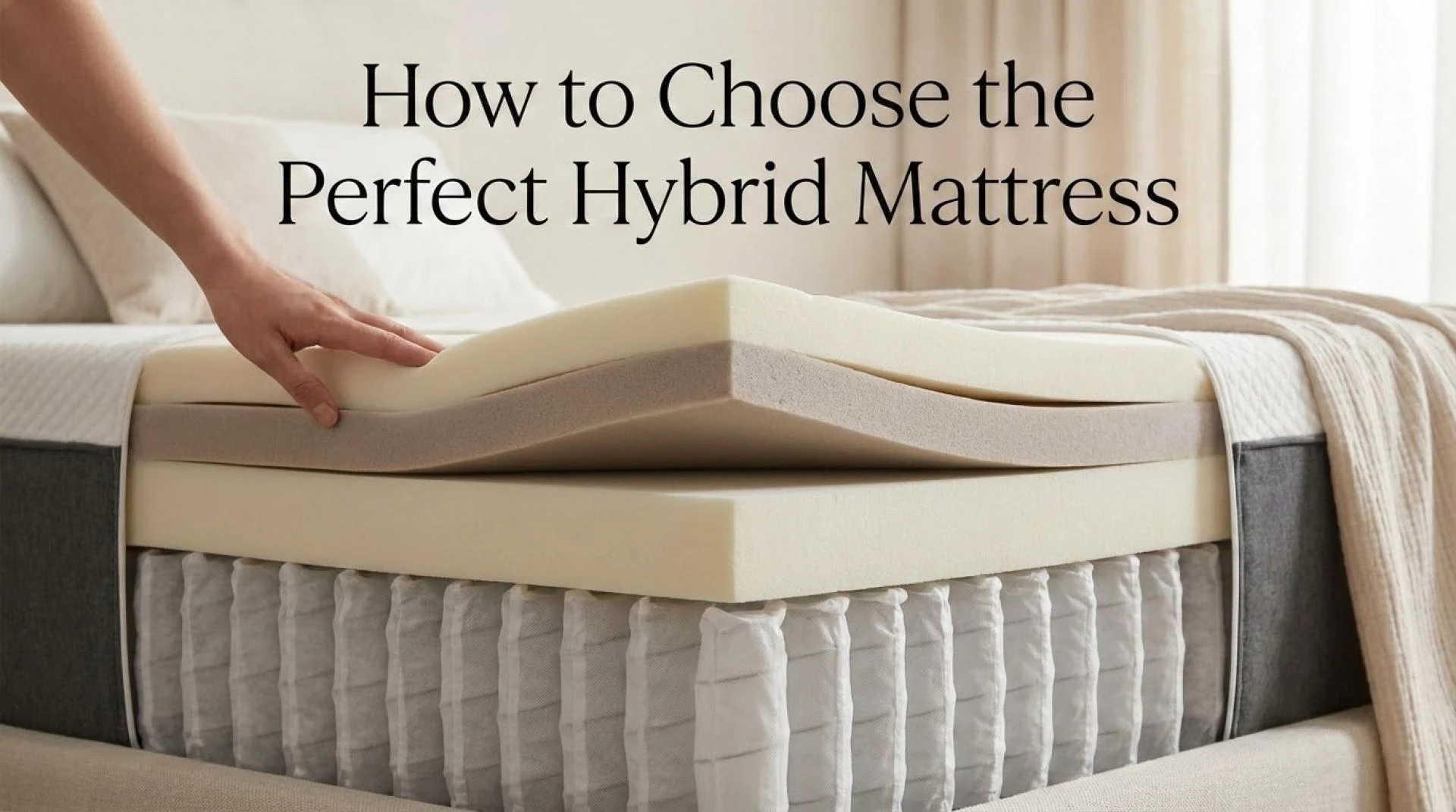
Hybrid mattresses: Combine spring systems with other comfort materials, depending on the design.
Foam mattresses: Use foam-based comfort and support layers, with the overall feel depending on the material and construction.
These categories contain a wide variety of designs. Review the specifications of each product rather than assuming that all mattresses in a category feel the same.
Review the mattress dimensions
Choose a mattress size that suits your bedroom and sleeping requirements. If you share a bed, consider whether you have enough space to move comfortably.
Also check compatibility with your bed frame or base.
Consider your comfort preferences
Firmness, pressure comfort, temperature and movement are all factors worth reviewing.
If you are unsure which type of mattress suits you, compare several options and review the product information before purchasing.
7. Explore Sleep Harvester's Ergonomic Mattress Range
Sleep Harvester is a British mattress company that promotes an ergonomics-focused approach to mattress design.
Its website describes mattress development involving Dr Ilyas Ansari and research collaboration with Professor John Groeger of Nottingham Trent University. The company's product and technology pages outline its focus on comfort, body support and sleep ergonomics.
You can learn more through the Why Sleep Harvester page.
Sleep Harvester also offers a range of mattress collections, including:
- Hybrid pocket sprung mattresses.
- Natural pocket sprung mattresses.
- Traditional pocket mattresses.
- Foam mattresses.
- Mattresses designed for different body types and comfort preferences.
The available options vary by product, so check individual specifications when comparing mattresses.
What should you look for in the range?
When exploring Sleep Harvester products, consider the following:
Comfort: Does the mattress offer a feel that suits your preference?
Support: Does its construction match your sleeping position and requirements?
Materials: What comfort layers and spring systems does the product use?
Size: Is the mattress suitable for your bedroom and bed base?
Explore the Sleep Harvester mattress collection to review available products and find an option that matches your needs.
8. Simple Ways to Improve Your Sleep Quality
Before purchasing a new mattress, try reviewing your existing sleep habits.
Maintain a consistent sleep routine
Aim to go to bed and wake up at similar times each day. A predictable routine can help support healthy sleep habits.
Create a relaxing bedtime environment
Reduce stimulating activities before bed and allow time to wind down.
You could read, listen to quiet music or practise another relaxing activity.
Review your bedding
Your pillow, duvet and sheets all contribute to your sleeping environment. Choose options that feel comfortable and suit the temperature of your bedroom.
Assess your current mattress
Check for signs of wear, sagging or discomfort. If your mattress no longer feels suitable, research alternatives before making a decision.
Pay attention to ongoing tiredness
If you continue to wake up tired despite sufficient sleep, do not rely solely on mattress changes. Consider speaking with a healthcare professional to explore possible causes.
9. When Should You Replace Your Mattress?
There is no single replacement date that applies to every mattress.
The lifespan of a mattress depends on its construction, usage, maintenance and condition. Your comfort needs may also change over time.
Consider reviewing your mattress if:
- It has visible sagging or damage.
- You regularly experience discomfort while sleeping.
- It no longer feels suitable for your sleeping position.
- You have noticed significant changes in its condition.
- You are considering a different mattress construction or firmness.
Check the manufacturer's recommendations and ensure that your replacement mattress is compatible with your bed base.
Remember that replacing a mattress is not a guaranteed treatment for persistent tiredness or pain.
Frequently Asked Questions
1. Why do I wake up tired after sleeping for 8 hours?
Possible reasons include disrupted sleep, stress, inconsistent sleeping patterns, an uncomfortable environment and underlying health conditions. If you regularly wake up tired, consider your overall sleep quality and speak with your GP if the problem persists.
2. Can a mattress make you wake up tired?
An uncomfortable mattress may contribute to discomfort or disrupted sleep. However, tiredness has many possible causes, so a mattress should not automatically be considered the reason.
3. Is a firm mattress better for sleep?
Not for everyone. The most suitable firmness depends on personal comfort, sleeping position and support preferences. Compare mattress specifications and consider what feels appropriate for your needs.
4. How do I know when to replace my mattress?
Look for visible wear, sagging, damage or changes in comfort. Also consider whether the mattress continues to meet your needs and follow the manufacturer's guidance.
5. What is the best mattress for comfortable sleep?
There is no single mattress that is best for every sleeper. Consider your preferred firmness, sleeping position, comfort requirements, mattress construction and budget when comparing options.
6. Can a mattress help with back discomfort?
A mattress that suits your comfort and support requirements may help you sleep more comfortably. However, persistent or severe back pain should be discussed with a qualified healthcare professional rather than managed through mattress selection alone.
7. Should I buy a new mattress if I am always tired?
Not necessarily. First, consider your sleep routine, bedroom environment and possible health-related causes. If your mattress is uncomfortable or worn, you may also wish to explore replacement options.
Conclusion: Is Your Sleep Surface Worth Reviewing?
Waking up tired after eight hours of sleep can be frustrating. While sufficient sleep duration is important, the quality of your sleep and the comfort of your sleeping environment also deserve attention.
Your mattress may influence how comfortable you feel during the night, particularly if it is worn, unsuitable for your sleeping position or causing discomfort. However, it is only one possible factor behind morning tiredness.
Start by reviewing your sleeping habits, bedroom conditions and mattress comfort. If you decide that your current mattress no longer meets your needs, explore different constructions and support options before making a purchase.
Looking for a mattress designed with comfort and ergonomic support in mind?
Visit Sleep Harvester to explore its mattress collection and discover options for your bedroom.
Take the time to understand your sleep requirements and choose a surface that supports your comfort preferences.
If persistent fatigue, sleep difficulties or pain continue, consult a qualified healthcare professional.


























Sign in to leave a comment.