

When a vehicle needs to pull a heavy trailer, carry a full load or work for long hours, the engine has to do much more than simply produce power. It needs to deliver that power consistently while handling high levels of resistance and stress.
This is where the diesel engine has a clear advantage. Diesel-powered vehicles are widely used in trucks, buses, construction equipment, agricultural machinery and other applications where heavy loads are part of everyday operation.
But what gives a diesel engine this ability? The answer lies in a combination of high torque, compression ignition, combustion characteristics and engine design.
What Makes a Diesel Engine Different?
A diesel engine and a petrol engine both convert fuel into mechanical energy, but they do so differently.
In a diesel engine, air is compressed inside the cylinder to a much higher pressure before fuel is injected. The resulting temperature becomes high enough to ignite the diesel fuel without using a spark plug.
This is known as compression ignition.
A petrol engine generally uses a spark to ignite an air-fuel mixture, whereas a diesel engine relies on the heat created by compressing air.
That difference affects how the engine produces torque and how it behaves when the vehicle is carrying a heavy load.
Why Is Torque Important for Heavy Loads?
If you want to understand why diesel engines work well under heavy loads, start with torque.
Torque is the twisting force produced by the engine's crankshaft. While horsepower is important for maintaining speed and producing overall performance, torque is particularly useful when a vehicle needs to get a heavy load moving.
Imagine a loaded truck starting from a standstill or climbing a steep incline. The engine needs substantial force at the wheels to overcome the vehicle's weight and resistance.
A diesel engine is well suited to this situation because it typically produces strong torque at relatively low engine speeds.
This allows heavy vehicles to move substantial loads without requiring the engine to operate continuously at very high RPM.
How Does High Compression Help a Diesel Engine?
Compression is one of the defining characteristics of a diesel engine.
During the compression stroke, the piston compresses only air. Because the compression ratio is high, the air temperature rises significantly. Diesel fuel is then injected into this hot, compressed air, where it ignites.
The high compression ratio contributes to efficient combustion and allows diesel engines to extract considerable energy from the fuel.
For heavy-duty applications, this is useful because the engine needs to produce substantial pulling force over extended periods rather than simply deliver quick acceleration.
The engine's design is therefore closely suited to applications where sustained load carrying matters.
Why Do Diesel Engines Perform Well at Lower RPM?
A diesel engine often develops its strongest torque within a lower or mid-range of engine speeds compared with many petrol engines.
This characteristic is particularly useful for heavy vehicles.
A truck carrying several tonnes does not need the engine to spin extremely fast to generate useful pulling force. Instead, it benefits from strong torque delivered through the drivetrain at relatively low RPM.
Operating at lower engine speeds can also help reduce unnecessary mechanical stress and contribute to fuel efficiency when the vehicle is working under a steady load.
This is one reason diesel engines are commonly associated with long-distance trucking and other applications where engines spend many hours working continuously.
What Happens When a Diesel Engine Carries a Heavy Load?
When a vehicle becomes heavily loaded, the engine has to overcome greater resistance.
The additional weight affects acceleration, climbing ability and the effort required to maintain speed. On an incline, for example, gravity creates additional resistance that the powertrain must overcome.
A diesel engine's strong low-speed torque gives the drivetrain the pulling force needed to handle these conditions.
The transmission also plays an important role. Lower gears multiply the torque produced by the engine, allowing the vehicle to move a heavy load with greater control.
So, it is not just the engine working alone. Engine torque, transmission gearing and the final drive work together to turn the engine's output into usable pulling force at the wheels.
Are Diesel Engines Built for Durability?
Many diesel engines used in commercial and industrial applications are designed to withstand demanding operating conditions.
Heavy-duty diesel engines may use robust components and cooling systems designed to handle sustained workloads. Their construction reflects the environments in which they are expected to operate.
A truck engine, for example, may spend hours travelling with a substantial payload. An agricultural or construction engine may experience continuous operation under changing loads.
The engine therefore needs more than strong torque. It also needs reliable lubrication, effective cooling and proper maintenance to manage the heat, pressure and mechanical loads generated during operation.
Why Is Fuel Efficiency Important Under Heavy Loads?
Fuel consumption becomes particularly important when a vehicle operates under load for long periods.
Diesel engines have traditionally offered strong fuel efficiency, partly because of their high compression ratios and the way diesel combustion is controlled.
For a commercial vehicle travelling long distances, even small differences in fuel consumption can become significant over thousands of kilometres.
The advantage is not simply about saving fuel during one journey. Better efficiency can influence the overall operating cost of vehicles that spend much of their working life on the road.
However, actual fuel economy depends on several factors, including vehicle weight, driving conditions, engine condition, tyre pressure, aerodynamics, traffic, driving style and maintenance.
Why Are Diesel Engines Common in Commercial Vehicles?
The characteristics of diesel engines make them particularly suitable for applications where load, endurance and operating efficiency are important.
You will commonly find diesel engines in:
- Heavy trucks and haulage vehicles
- Buses and coaches
- Construction equipment
- Agricultural machinery
- Mining equipment
- Generators
- Some large SUVs and utility vehicles
These applications have something in common: the engine often needs to deliver useful power for long periods rather than provide short bursts of performance.
A diesel engine's torque characteristics and efficient operation make it a practical choice for these demanding environments.
Does More Torque Always Mean a Better Diesel Engine?
Not necessarily.
Torque is important, but it is only one part of engine performance. The engine's power output, transmission, gearing, cooling system, fuel system and overall design all affect how effectively a vehicle handles a load.
For example, two engines may produce similar peak torque but deliver it across different RPM ranges. The engine that provides useful torque across a broader operating range may feel more capable in certain conditions.
This is why engine performance should be considered as a complete system rather than judged by a single specification.
How Can You Keep a Diesel Engine Ready for Heavy Loads?
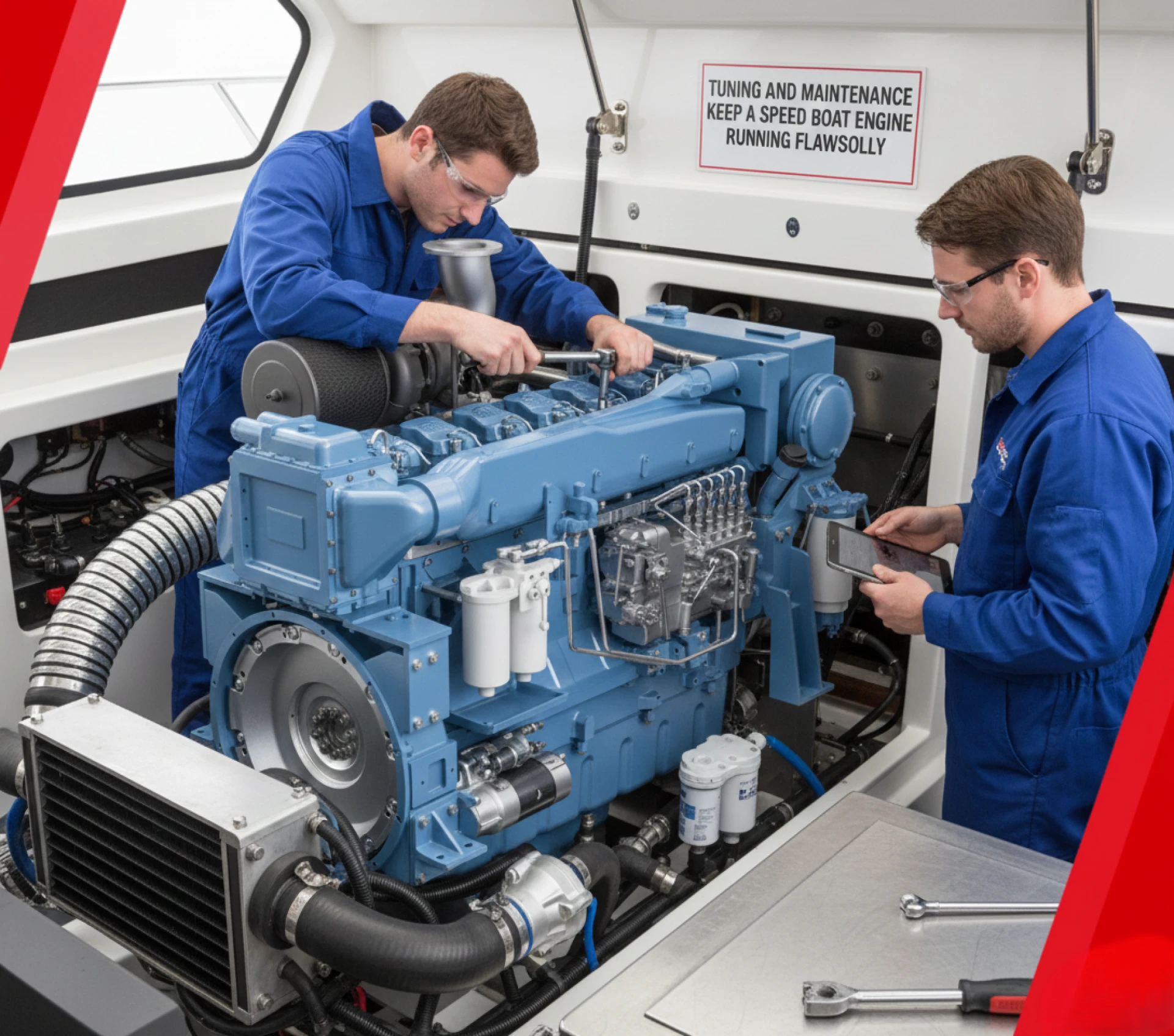
Even a well-designed diesel engine needs proper maintenance to perform reliably.
Regular servicing helps ensure that essential systems continue to work as intended. Engine oil is particularly important because it lubricates moving components, helps manage friction and assists with heat control.
You should also pay attention to the manufacturer's recommended service intervals and inspect components such as the air filter, fuel system and cooling system as required.
For vehicles that regularly operate under heavy loads, maintenance becomes even more important. Excessive loading, poor servicing or using unsuitable lubricants can affect engine performance and longevity.
Final Thoughts
A diesel engine's ability to handle heavy loads comes from several characteristics working together. But the engine is only one part of the equation.
The transmission, drivetrain, cooling and lubrication systems all contribute to how effectively a vehicle converts engine power into useful work.
That combination is what makes diesel engines such a dependable choice when the job involves moving more, working longer and operating under demanding conditions.






















Sign in to leave a comment.