

Halloween is more than a night of ghosts, costumes, and candy. If you have ever wondered what is Halloween meant for, the answer lies in a fascinating blend of ancient beliefs, seasonal rituals, religious history, and modern entertainment. Celebrated on October 31, Halloween gives people a chance to explore the mysterious, remember old traditions, express their creativity, and enjoy a little harmless fright. From eerie decorations to imaginative costumes, every familiar symbol has a story that helps explain why Halloween remains so popular today.
Why Is Halloween Associated With Ghosts and Spirits?
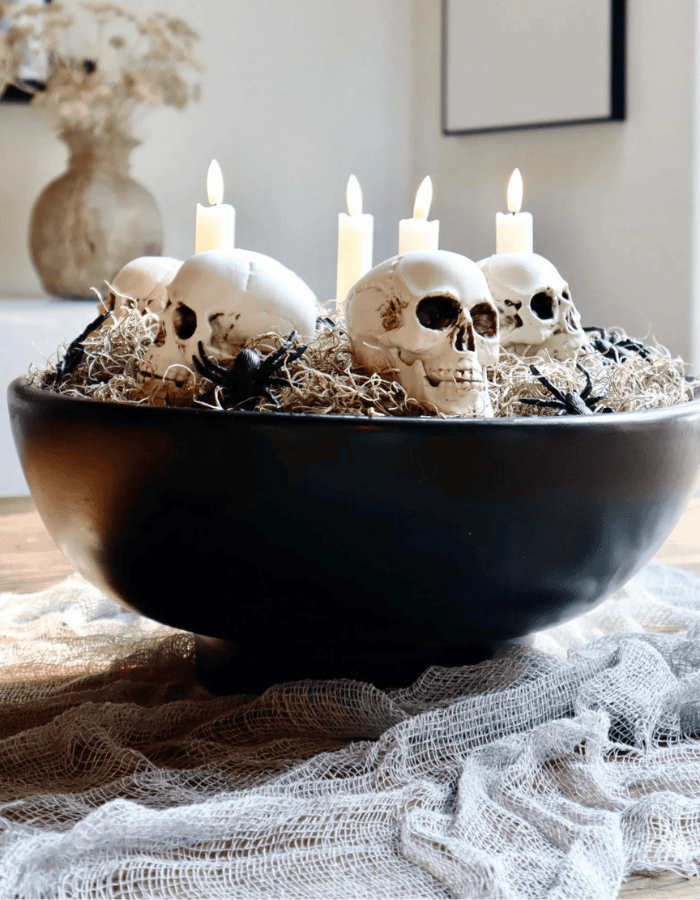
The connection between Halloween and ghosts comes from centuries-old beliefs about the boundary between the living and the dead. Long before Halloween became a night for trick-or-treating and costume parties, communities across different cultures developed seasonal customs to honor the dead, remember ancestors, and respond to the mysteries of life after death. Autumn, with its longer nights and fading daylight, naturally provided a dramatic backdrop for stories about spirits and the supernatural.
One important influence was Samhain, an ancient Celtic seasonal festival marking the transition from the harvest season into winter. Traditionally observed around the end of October and beginning of November, Samhain was associated with the changing seasons and, in later descriptions of Celtic beliefs, a time when the boundary between the human world and the supernatural was thought to become less distinct. However, the precise beliefs and practices of ancient communities varied, and not every modern Halloween custom can be traced directly to Samhain.
Over time, these ideas blended with Christian observances associated with All Saints’ Day on November 1 and All Souls’ Day on November 2. The evening before All Saints’ Day became known as All Hallows’ Eve, eventually shortened to Halloween. Stories of spirits, death, and the unknown continued to shape its imagery.
How Ancient Beliefs Shaped Halloween Ghost Stories
People have long used supernatural stories to make sense of things they cannot easily explain, including death, darkness, and the changing seasons. Ghost stories became a natural part of Halloween because the holiday developed around traditions that explored these mysteries.
As Halloween customs evolved, spirits and ghosts became familiar symbols in folklore, storytelling, and seasonal entertainment. Today, haunted houses, ghost decorations, and supernatural movies keep these themes alive, allowing people to experience a little fear in a controlled, enjoyable setting.
Why Do People Enjoy Being Scared on Halloween?
A spooky experience can be exciting precisely because it feels frightening without usually posing a real threat. A creaking door, a shadowy figure, or a sudden ghostly sound creates suspense, but participants know they can step away whenever they want.
Halloween turns that feeling into shared entertainment. Friends visit haunted attractions, families watch age-appropriate scary movies, and children wear ghost costumes while collecting candy. The result is a holiday that transforms fear of the unknown into an opportunity for laughter, storytelling, and connection.
Why Are Costumes Such an Important Halloween Tradition?
Halloween costumes are central to the holiday because they connect older customs involving disguises with modern self-expression and entertainment. Historically, some European seasonal traditions included dressing up, going from house to house, or performing activities connected with festivals and remembrance. Certain customs are often linked to the practice of disguising oneself from spirits, although the origins of today's costume tradition are complex and cannot be attributed to one single ancient ritual.
As Halloween developed in North America, costume-wearing became increasingly associated with neighborhood celebrations, parties, and children's activities. By the twentieth century, commercially produced Halloween costumes were becoming more widely available, helping transform dressing up into a major part of the holiday.
Today, costumes allow people to step outside their everyday identities. Someone might become a vampire for one night, dress as a favorite movie character, or choose a funny outfit that makes everyone at a party laugh. Others prefer handmade costumes that showcase their creativity or coordinated looks that bring friends and families together.
Halloween fashion has also expanded beyond full costumes. Graphic T-shirts, themed sweatshirts, and spooky accessories offer easy ways to celebrate without wearing elaborate outfits. This flexibility helps explain why costumes remain one of Halloween's most recognizable features.
Where Did the Tradition of Halloween Costumes Begin?
There is no single starting point for the modern Halloween costume. European folk customs involving disguises and seasonal visits contributed to the broader tradition, while immigration, local celebrations, and popular culture helped shape how Halloween developed in the United States.
Over time, costumes moved from simple homemade disguises toward a wide variety of commercially available outfits. Classic witches, skeletons, ghosts, and black cats remain popular, but contemporary choices also include superheroes, celebrities, fantasy characters, and humorous cultural references.
How Halloween Costumes Reflect Personality and Creativity
For many people, choosing a Halloween costume is an opportunity to show a different side of themselves. Some prefer a frightening look with dark makeup and dramatic accessories, while others choose playful outfits inspired by cartoons, animals, or favorite fictional characters.
You do not need an expensive costume to participate. A black outfit, a witch hat, creative face paint, or a Halloween graphic tee can create a festive look with minimal effort. For group celebrations, coordinating colors or choosing a shared theme can make the experience even more memorable.
Why Are Jack-o’-Lanterns, Witches, and Skeletons Halloween Symbols?
Halloween's most recognizable symbols combine folklore, seasonal imagery, and the modern desire to make ordinary spaces feel mysterious. Pumpkins glow on porches, skeletons appear in yards, and witches decorate everything from party invitations to clothing. These images are not all rooted in the same historical tradition, but together they create the visual identity of Halloween.
Pumpkins are especially associated with Halloween in North America because they are widely available during the autumn harvest and are easy to carve. The tradition developed from older customs involving carved lanterns, including Irish and Scottish practices that used turnips or other root vegetables. When these traditions traveled to North America, pumpkins became a practical and visually striking alternative.
Witches and black cats draw on European folklore, including stories about magic, supernatural powers, and mysterious companions. Skeletons and skulls connect Halloween imagery to mortality and the long-standing use of death-related symbols in art and storytelling. Modern horror films, television shows, books, and video games have further popularized these motifs.
Why Do People Carve Pumpkins for Halloween?
Carving pumpkins combines a seasonal harvest activity with a centuries-old lantern tradition. The familiar jack-o’-lantern face often features triangular eyes, a crooked nose, and a wide, exaggerated grin, creating an image that is both eerie and playful.
Pumpkin carving is also an activity people can enjoy together. Families can choose simple designs for young children or experiment with detailed patterns, funny faces, and elaborate scenes. Battery-powered lights provide a convenient alternative to open flames, particularly for decorations used around children or pets.

What Do Witches, Skeletons, and Black Cats Represent?
Witches symbolize magic, mystery, and the supernatural, making them a natural fit for Halloween's spooky atmosphere. Skeletons and skulls serve as reminders of mortality, while their exaggerated appearance often makes them more theatrical than frightening.
Black cats became associated with Halloween partly through European folklore that connected cats with witches and supernatural beliefs. These associations helped establish the black cat as a familiar seasonal decoration, although they are based on superstition rather than fact.
Together, these symbols give Halloween its distinctive mix of eerie atmosphere and playful fun. They also provide endless inspiration for decorations, costumes, party themes, and seasonal apparel.
What Is Halloween Meant for in Modern American Culture?
Today, Halloween serves several purposes at once. It is a cultural celebration, a chance for creative expression, a community event, and a major seasonal shopping occasion. Although its historical influences include harvest traditions, religious observances, and folklore about spirits, modern celebrations often focus on entertainment, family activities, and neighborhood connections.
Children may look forward to trick-or-treating, while adults enjoy costume parties, themed dinners, haunted attractions, and seasonal movie nights. Schools and workplaces sometimes organize costume contests or decorate shared spaces. Communities may also hold pumpkin-carving events, fall festivals, and other activities that welcome people who prefer not to participate in frightening traditions.
Halloween is not celebrated identically by everyone. Some people emphasize its historical or religious associations, while others treat October 31 as a fun, secular occasion. Families can adapt the holiday to their own preferences, choosing gentle decorations and daytime activities or embracing more elaborate horror themes.
The commercial side of Halloween has also grown, with seasonal spending on candy, decorations, costumes, and apparel. However, the holiday's appeal is not limited to shopping. Its enduring popularity comes from the opportunity to create shared memories, express imagination, and enjoy traditions that make an ordinary autumn evening feel different.
How Trick-or-Treating Brings Communities Together
Trick-or-treating is one of Halloween's best-known customs. Children dress up and visit participating homes to collect candy, while neighbors decorate their porches and welcome visitors. The activity creates a familiar neighborhood ritual that families can anticipate each year.
For a safer experience, children should visit well-lit homes, stay with a trusted adult or group, and follow local guidance. Families can also choose community events, indoor celebrations, or candy hunts at home if traditional door-to-door activities are not suitable.
How to Celebrate Halloween in Your Own Way
You do not need to love horror movies or wear a full costume to enjoy Halloween. Try carving a pumpkin, baking themed treats, hosting a movie night, decorating your front door, or organizing a costume contest with friends.
For an easy everyday look, Halloween graphic T-shirts featuring ghosts, pumpkins, skeletons, or funny seasonal sayings can bring a festive touch to your outfit. Pair one with jeans, a hoodie, or your favorite fall accessories for a comfortable style that works for casual gatherings and seasonal outings.
Celebrate the Spooky Season With Halloween Style
Halloween brings together history, imagination, and community spirit in a way few other holidays can. Ghosts reflect centuries of fascination with the supernatural, costumes encourage self-expression, and familiar symbols such as jack-o’-lanterns and skeletons turn the season into a playful celebration. Understanding what Halloween is meant for reveals that it is not simply about being scared—it is about creativity, connection, and making memorable experiences as autumn arrives.
Ready to bring that Halloween spirit into your wardrobe? Explore our collection of Halloween graphic T-shirts, spooky seasonal apparel, funny Halloween shirts, and ghost-inspired designs to find a look that matches your personality. Whether you prefer creepy graphics, cute pumpkins, or witty Halloween sayings, choose your favorite design and make every October outing a little more festive.
Follow us for more updates:















Sign in to leave a comment.