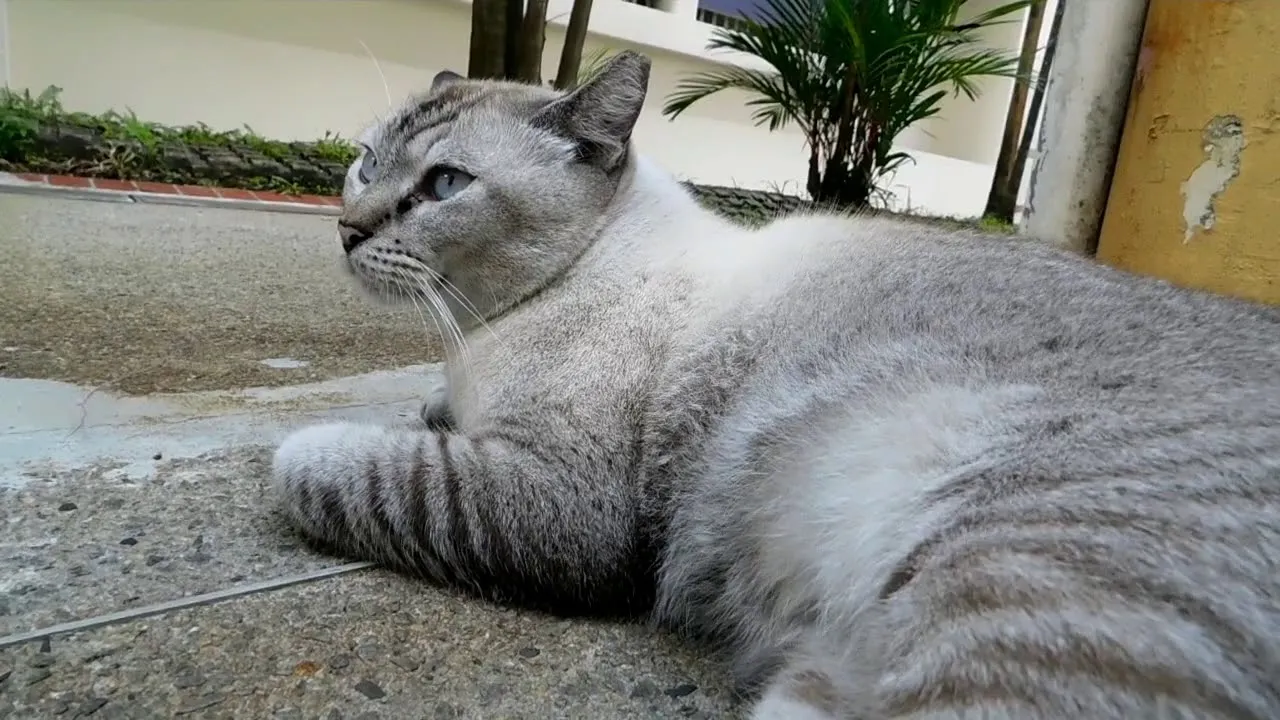

If you’ve been wondering, “why does my cat avoid me?”, it can be upsetting when a cat that once seemed comfortable suddenly starts hiding, walking away, or refusing interaction. However, avoidance does not automatically mean your cat dislikes you. Cats may avoid people because they feel frightened, stressed, overstimulated, uncomfortable, or simply want some personal space.
Understanding your cat’s body language and identifying when the behavior occurs can help you discover the reason behind the avoidance and take steps to rebuild trust.
Why Does My Cat Avoid Me?
There are several reasons a cat may avoid its owner. Fear and stress are among the most common causes, especially when a cat has experienced a sudden change or an unpleasant interaction.
Your cat may avoid you because of:
- Fear or anxiety
- Sudden movements or loud noises
- Previous negative experiences
- Forced handling or being picked up
- Overstimulation from excessive petting
- Changes in the home or daily routine
- New people or pets
- Lack of early socialization
- Territorial stress
- Pain or illness
- Individual personality and natural independence
Pay attention to when your cat avoids you. If it happens whenever you approach, pick it up, or try to pet it, there may be a specific interaction your cat has learned to associate with discomfort.
Why Does My Cat Avoid Me When I Approach?
A cat may move away when you approach because direct movement can feel threatening. Walking quickly toward a cat, standing over it, reaching down from above, staring directly into its eyes, or trying to grab it can make a nervous cat feel trapped.
Instead of walking directly toward your cat, try approaching slowly from the side. Crouching down can also make you appear less intimidating. Give your cat the opportunity to move away rather than blocking its escape route.
Over time, calm and predictable interactions can help your cat understand that your presence is safe.
Does My Cat Avoid Me Because It Doesn't Like Me?
Not necessarily. Cats often show affection differently from dogs and people. A cat that does not enjoy being picked up or constantly petted may still trust and love its owner.
Signs of affection and trust can include sitting near you, following you from room to room, sleeping nearby, slow blinking, rubbing against you, eating comfortably while you are present, or simply choosing to stay in the same room.
Therefore, if you're asking “why does my cat avoid me?”, look at your cat's overall behavior rather than judging your relationship based on one behavior.
Signs Your Cat May Be Afraid of You
Fear usually comes with noticeable body-language changes. A frightened cat may:
- Run away when you approach
- Hide frequently
- Crouch close to the ground
- Flatten its ears
- Keep its tail tucked or held low
- Have noticeably dilated pupils
- Freeze when approached
- Hiss, growl, or swat
- Avoid eye contact
- Refuse interaction
If several of these behaviors occur consistently around you, your cat may be feeling anxious or uncertain rather than simply being independent.
Could Stress Make My Cat Avoid Me?
Yes. Stress is a major reason cats change their behavior. Even something that seems minor to a person can make a cat feel unsettled.
Possible sources of stress include moving to a new home, introducing another pet, having visitors, changing furniture, construction noise, conflicts with another cat, changes in feeding schedules, or a lack of safe hiding spaces.
A stressed cat may not only avoid you but also hide more often, groom excessively, eat differently, vocalize more, or change its litter-box habits.
Providing quiet hiding areas, maintaining a predictable routine, and giving your cat control over interactions can help reduce stress.
How Can I Get My Cat to Trust Me Again?
Rebuilding trust requires patience. Trying to force affection usually makes avoidance worse.
Start by allowing your cat to approach you voluntarily. Sit quietly nearby without staring directly at your cat. Speak softly and avoid sudden movements. You can place treats nearby or use interactive toys to create positive associations without demanding physical contact.
When your cat approaches, allow it to decide how much interaction it wants. If it walks away, let it go.
Consistency is important. Short, positive interactions repeated every day are usually more effective than trying to make your cat comfortable through one long session.
What If My Cat Suddenly Starts Avoiding Me?
A sudden behavioral change deserves more attention than occasional avoidance. If your normally social cat suddenly begins hiding or avoiding you, consider whether anything has changed in the household.
Pain or illness can also cause cats to withdraw. Dental problems, injuries, arthritis, digestive problems, and other health issues may make a cat less interested in interaction.
Contact a veterinarian if avoidance is sudden, persistent, or accompanied by symptoms such as appetite loss, weight loss, lethargy, vomiting, diarrhea, difficulty moving, or obvious signs of pain.
How Focus PetCare Can Help You Understand Your Cat
Understanding feline behavior starts with recognizing that cats communicate primarily through body language and behavior. Resources such as Focus PetCare can help owners better understand common cat behaviors and make more informed decisions about their pets' daily care.
Rather than interpreting avoidance as rejection, consider what your cat may be communicating. Giving your cat space, maintaining a stable environment, and using positive reinforcement can make interactions more comfortable.
Final Thoughts
If you keep asking, “why does my cat avoid me?”, remember that running away or hiding does not automatically mean your cat dislikes you. Fear, stress, overstimulation, environmental changes, previous experiences, personality, and even illness can all contribute to avoidance.
The best approach is to stop chasing or forcing interaction and instead allow your cat to set the pace. Use calm movements, positive reinforcement, predictable routines, and plenty of safe spaces. With patience and consistency, many cats gradually become more confident and comfortable around their owners.
If avoidance appears suddenly or occurs alongside physical or behavioral changes, speak with a veterinarian to rule out an underlying health problem. With the right approach and a little patience, you can create a safer environment and strengthen your bond with your cat.

























Sign in to leave a comment.