

When you're asked to organize an event, your first instinct might be to tackle it yourself. After all, you know your vision, your budget, and your guests better than anyone else. However, the reality of event planning often reveals complications that go far beyond selecting a date and venue. Professional event planners bring specialized expertise, established vendor relationships, and problem-solving skills that transform chaotic logistics into seamless experiences. Understanding when to bring in a professional can mean the difference between an event that runs smoothly and one that creates stress for everyone involved.
Complexity Grows with Scale and Scope
Event planning complexity increases dramatically based on the size and type of gathering you're organizing. A small office birthday celebration differs vastly from a wedding with 200 guests or a corporate conference spanning multiple days. Large events require coordinating numerous moving parts simultaneously: securing appropriate venues, arranging catering, managing timelines, handling vendor communications, and troubleshooting unexpected problems. For example, a destination wedding might involve coordinating with hotels, managing guest accommodations, arranging transportation, and handling international logistics. Professional planners have managed similar events before and understand how to navigate these layers of complexity without becoming overwhelmed. They've encountered most scenarios that might catch an amateur planner off guard, giving them confidence and capability when challenges arise.
Time Investment Becomes Overwhelming
DIY event planning consumes far more time than most people anticipate when they begin the project. Planning an event requires research, phone calls, email correspondence, site visits, vendor negotiations, and countless decision-making sessions. These tasks accumulate quickly and often extend across several months leading up to the event date. Someone juggling work responsibilities, family obligations, and personal commitments may find themselves sacrificing sleep and personal time to meet deadlines. Professional event planners dedicate their entire working hours to this task, meaning they can accomplish focused work that might take an amateur months of fragmented effort. Hiring a professional essentially purchases back your time, allowing you to focus on other responsibilities while someone with full-time expertise handles the details.
Vendor Relationships and Negotiation Power
Professional event planners typically maintain long-standing relationships with vendors in their area, including caterers, florists, photographers, musicians, decorators, and venues. These established connections provide several advantages that independent planners cannot easily replicate. Professionals often negotiate better rates and flexible terms because vendors understand they represent repeat business. They also know which vendors deliver quality work, which ones have reliability issues, and which ones provide exceptional value. When you're planning independently, you're starting from scratch, researching unfamiliar names, reading mixed reviews, and hoping your chosen vendors perform well on your specific date. When problems occur, professional planners have leverage and established communication channels to resolve issues quickly, securing priority scheduling or preferred service packages because of their reputation.
Risk Management and Problem-Solving Expertise
Professional event planners carry insurance, maintain contingency plans, and anticipate problems before they occur. They understand liability issues, legal requirements for different venue types, and safety protocols that most amateur planners never consider. For example, a professional planner knows whether your venue requires specific permits, how many staff members you need for crowd management, or what weather contingencies you should prepare if the event is outdoors. When unexpected situations arise, professionals draw on experience from dozens of previous events to implement solutions quickly. A vendor cancellation, weather emergency, or guest-related conflict that might derail an amateur planner becomes manageable for someone who has handled similar crises before. Professional planners also understand the importance of clear contracts and communication, protecting everyone involved if disagreements occur.
Quality of Execution and Guest Experience
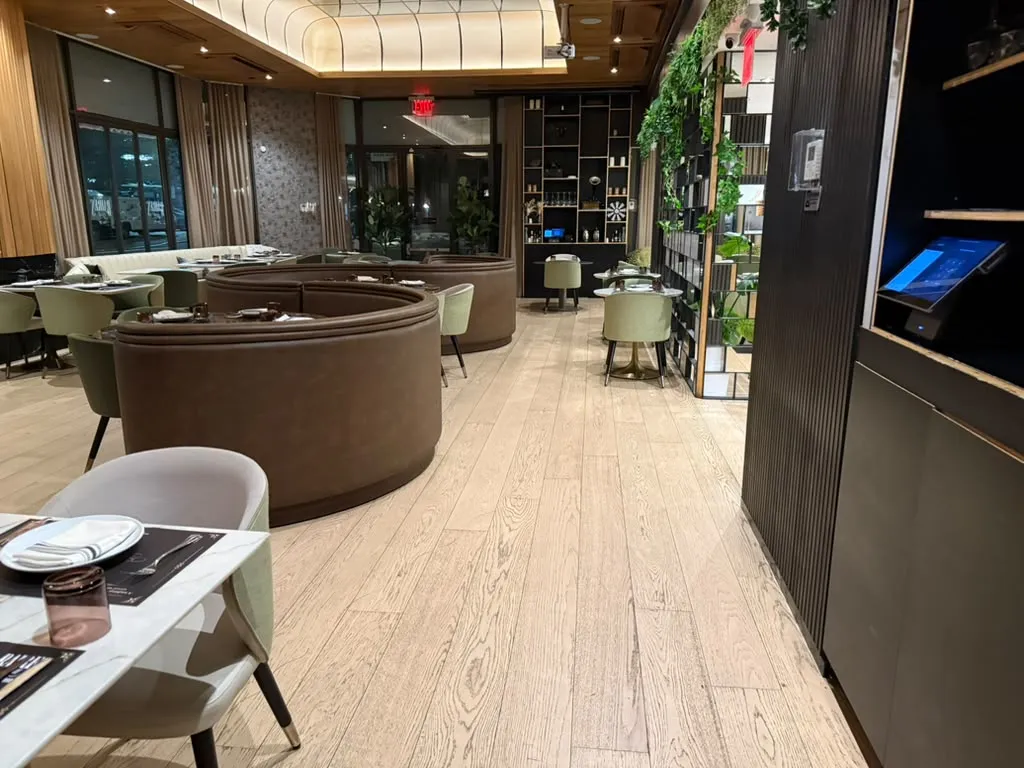
The quality of an event reflects on the hosts and creates lasting memories for guests. Professional event planners focus on details that make events feel polished and well-organized rather than hastily assembled. They understand flow and timing, ensuring guests don't experience long waits, uncomfortable spacing, or confusing transitions between segments. For upscale gatherings and milestone occasions, professionals who specialize in luxury event planning ensure that every sensory detail, from table-scaping to guest flow, is curated to reflect the host's vision with precision. They handle the hundreds of small decisions that accumulate to create either a pleasant or frustrating experience, considering where guests will place coats, how they'll navigate the space, or where they can retreat for a quiet moment. The visual presentation, pacing, and attention to comfort details all signal whether an event has been thoughtfully designed or hastily assembled.
Conclusion
Professional event planning becomes a worthwhile investment when events exceed basic logistics or when the organizer lacks time for thorough planning. The complexity of coordinating multiple vendors, venues, and timelines grows exponentially with event size and scope. Professional planners bring specialized knowledge, established relationships, risk management expertise, and the dedicated time that amateur planners cannot easily provide. They transform events from stressful DIY projects into coordinated experiences that run smoothly and create positive impressions. While smaller, simpler events can certainly be managed independently, significant occasions in business or personal life often benefit enormously from professional guidance. Understanding your own capacity, timeline, and the event's importance helps determine whether hiring a professional represents the best use of your resources and energy.




























Sign in to leave a comment.