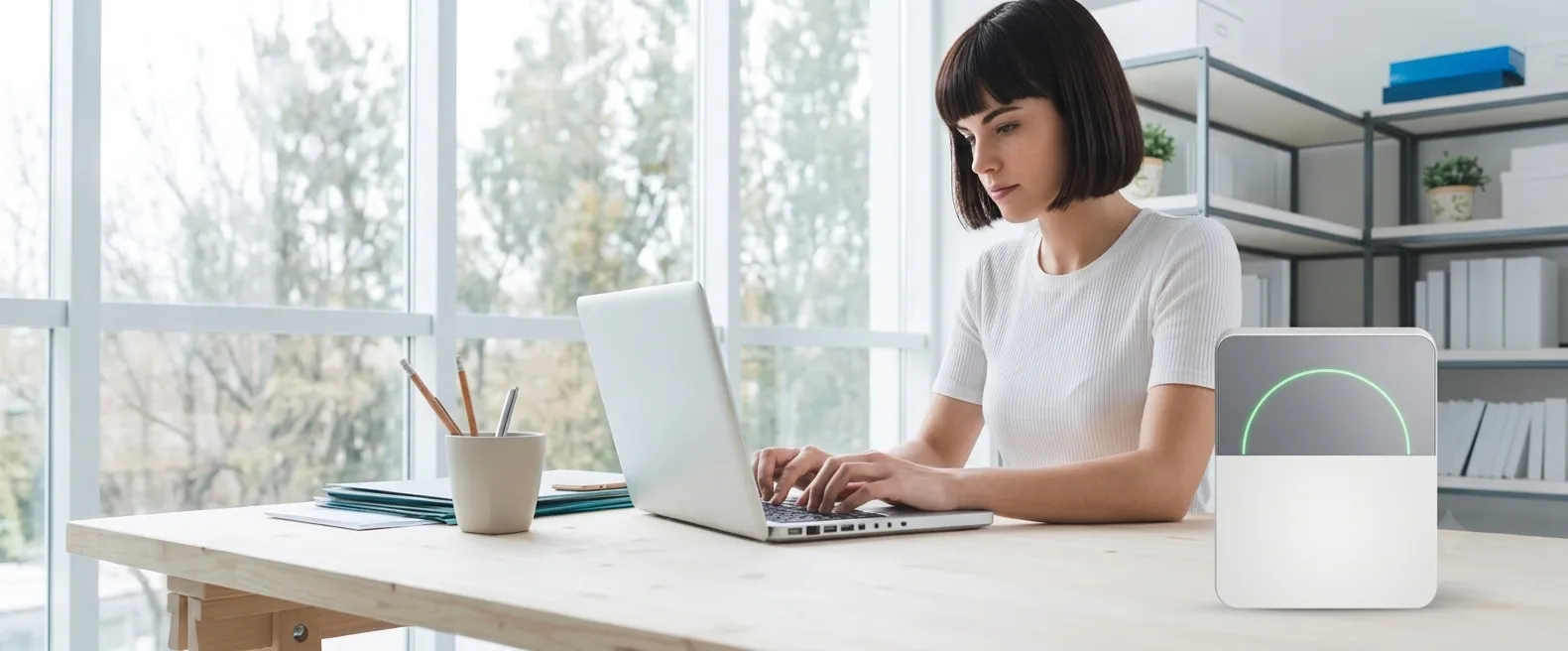

Indoor air can be far more polluted than the air outside, yet it's invisible, odorless, and easy to ignore. Dust, mold spores, VOCs from paints and furniture, and even carbon dioxide buildup from poor ventilation can quietly affect health, focus, and productivity. This is exactly why an air quality monitor has become an essential tool for homes, offices, hospitals, and industrial spaces alike. It gives you real, measurable insight into what you're actually breathing, instead of relying on guesswork.
What Is an Air Quality Monitor and Why Does It Matter?
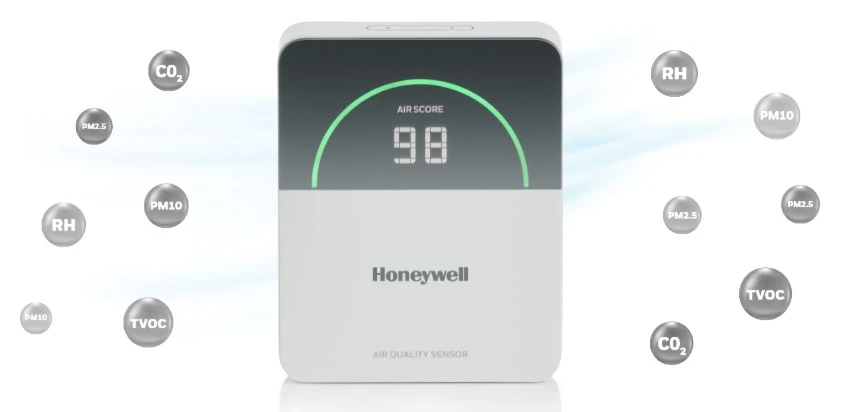
An air quality monitor is a device designed to continuously track pollutants and environmental parameters in a space including particulate matter (PM2.5, PM10), carbon dioxide, humidity, temperature, and volatile organic compounds. Instead of waiting until someone in the building complains of headaches, allergies, or fatigue, the device flags unhealthy conditions in real time so corrective action can be taken immediately.
For facility managers, building owners, and homeowners, this isn't just a comfort feature. Poor indoor air quality is linked to reduced concentration, increased sick days, and long-term respiratory issues. Having continuous visibility into air conditions helps organizations meet health and safety standards while protecting the wellbeing of everyone inside the building.
Common Pollutants Tracked Indoors
- Particulate matter (PM1, PM2.5, PM10)
- Carbon dioxide (CO2) levels from poor ventilation
- Volatile organic compounds (VOCs) from cleaning agents, paints, and furnishings
- Humidity and temperature imbalances that encourage mold growth
How an AQI Monitor Helps You Take Control
An aqi monitor translates complex pollutant data into a simple, easy-to-understand Air Quality Index (AQI) score. This score tells you at a glance whether the air is "good," "moderate," "poor," or hazardousremoving the need to interpret raw sensor data manually.
This is particularly useful in commercial buildings, schools, and healthcare facilities, where air quality directly impacts occupant comfort and performance. Facility teams can use AQI trends to identify patterns for example, air quality dipping during peak occupancy hours or after HVAC filters need replacement and respond proactively rather than reactively.
Benefits of Real-Time AQI Tracking
- Early warning system — Detect pollution spikes before they become health hazards.
- Data-backed decisions — Adjust ventilation, ionization, or filtration systems based on actual readings.
- Compliance and reporting — Maintain records for health, safety, and green building certifications.
- Improved occupant wellbeing — Reduce complaints related to stuffy air, odors, or allergies.
Choosing the Right AQI Measurement Device for Your Space
Not all monitors are built the same, so selecting the right aqi measurement device depends on the size of the space, the number of pollutants you need to track, and whether you require standalone monitoring or full integration with your Building Management System (BMS).
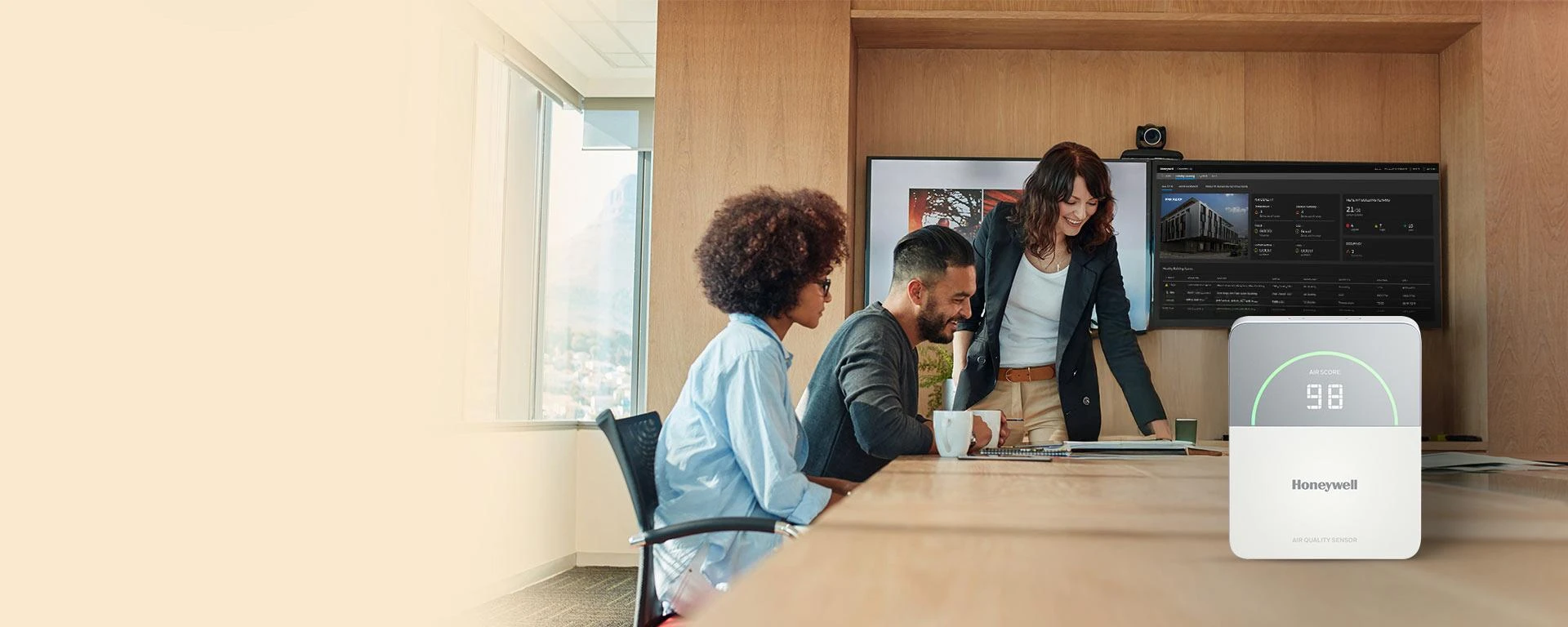
For larger commercial or industrial facilities, a smart, BMS-integrated indoor air quality monitor offers far more value than a basic standalone sensor. It allows real-time data to flow directly into centralized dashboards, enabling automated responses — such as triggering ventilation systems or alerting maintenance teams — without manual intervention.
Key Features to Look For
- Multi-pollutant sensing (PM2.5, PM10, CO2, VOCs, humidity, temperature)
- Real-time alerts and dashboards for quick decision-making
- Seamless BMS integration for centralized, building-wide monitoring
- Reliable calibration to ensure accurate, long-term data trends
- Scalability to support multi-room or multi-floor deployments
Why Businesses Are Investing in Smart IAQ Monitoring
As awareness around indoor health grows, more organizations are moving beyond one-time air quality checks and adopting continuous monitoring systems. This shift is driven by tighter workplace safety regulations, employee wellness initiatives, and the increasing availability of smart, connected sensors that integrate directly with building automation systems.
Solutions like Honeywell's IAQ Monitor are designed to make this transition simple. By integrating advanced sensors with a Building Management System, these solutions provide facility teams with a single, unified view of air quality across an entire property enabling faster responses, better compliance, and healthier indoor environments for everyone.
Final Thoughts
Clean, breathable air is no longer a luxury; it's a baseline expectation for modern homes, offices, and public spaces. Investing in a reliable air quality monitor, paired with continuous AQI tracking, gives you the visibility needed to protect health, boost productivity, and maintain a comfortable environment year-round.
Whether you are managing a single office or an entire commercial complex, choosing the right AQI measurement device one that integrates smoothly with your existing systems ensures you're not just measuring air quality, but actively improving it.



























Sign in to leave a comment.