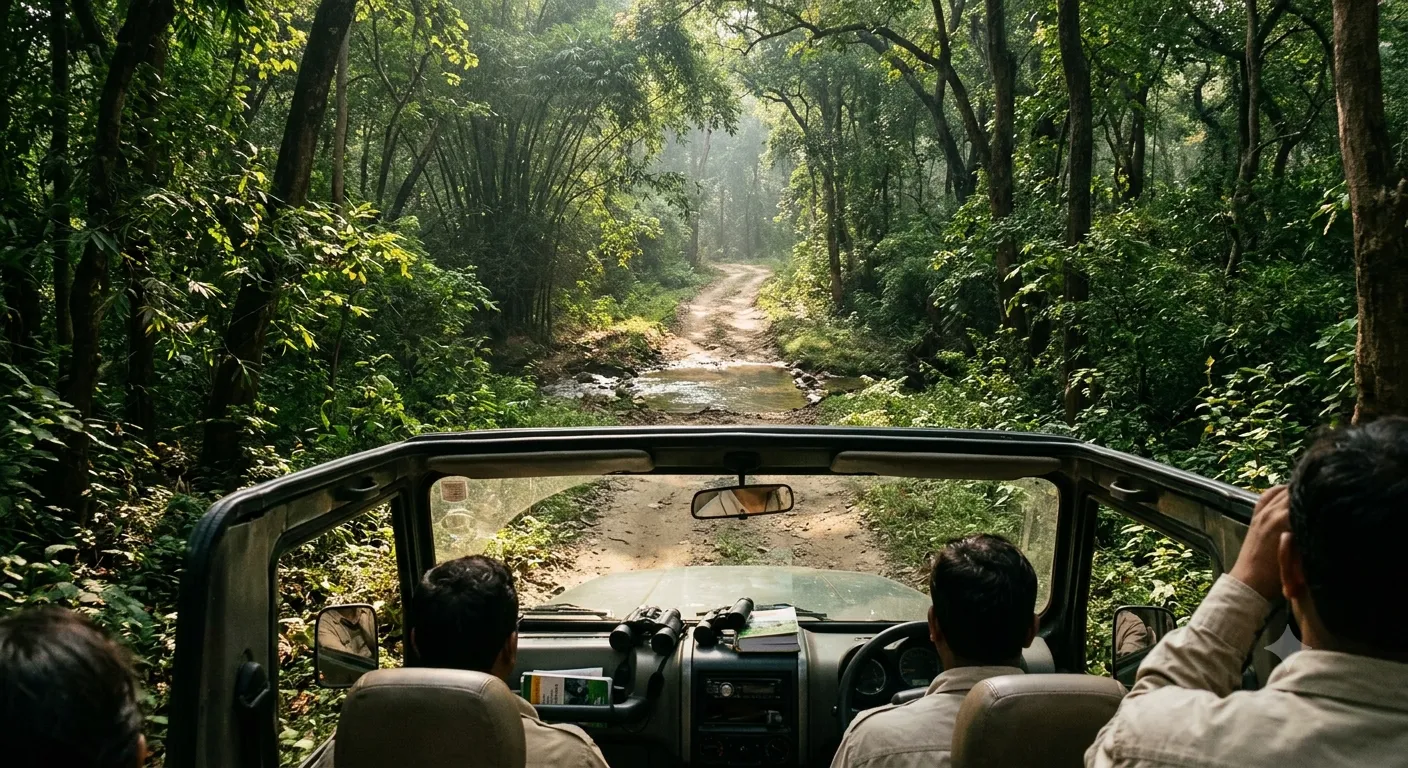

A forest safari offers a unique way to experience wildlife in its natural surroundings. Dense trees, winding trails, flowing streams and thick vegetation create habitats for many animal and bird species. Every journey through the forest brings opportunities to observe nature and understand how different species survive.
Unlike open grasslands, forests often provide limited visibility. Animals may remain hidden behind trees or move quietly through thick vegetation. This makes every sighting feel special and encourages visitors to pay attention to the smallest details around them.
From hearing birds call through the canopy to spotting fresh animal tracks along a trail, a forest safari offers experiences that stay with wildlife lovers long after the journey ends.
The Beauty of Exploring Dense Forests
Forests have a distinctive atmosphere that makes them fascinating to explore. Tall trees create shaded paths, sunlight filters through leaves and the sounds of insects and birds fill the surroundings.
Early mornings are particularly rewarding. The forest begins to wake as birds become active and animals move through their habitats. Cool air, soft light and the sounds of the wilderness create a memorable setting for wildlife observation.
Each forest also has its own character. Some contain dense evergreen vegetation, while others feature deciduous trees that change with the seasons. Bamboo patches, grasslands, streams and clearings add variety to these landscapes.
Exploring these different habitats helps visitors appreciate the beauty and complexity of forest ecosystems.
Discovering Wildlife Beyond the Big Cats
Many visitors choose a forest safari hoping to see a tiger or leopard. However, forests support a wide range of wildlife, and some of the most rewarding encounters involve animals that receive less attention.
Deer often move through clearings to feed, while wild boars search the forest floor for food. Sloth bears forage for insects and fruit in suitable habitats, and langurs move between branches in search of leaves and other food sources.
Elephants may travel through forest corridors where suitable habitat remains connected. Smaller mammals, reptiles and amphibians also contribute to the rich biodiversity found in these environments.
Each species plays a role in maintaining ecological balance. Observing different animals during a safari helps visitors understand that a healthy forest depends on much more than its most famous predators.
Understanding Animal Behaviour in Natural Habitats
One of the most interesting parts of a forest safari is learning how animals behave in their natural surroundings. Wildlife responds to changes in temperature, food availability, seasonal conditions and the presence of other animals.
Deer may raise their heads suddenly when they sense movement nearby. Monkeys sometimes produce alarm calls when they detect a potential threat. Birds may become unusually vocal or fly between trees after noticing activity in the undergrowth.
These signs can offer useful clues about what is happening around the forest. Experienced guides often recognise such behaviour and explain its possible meaning to visitors.
However, animal calls and movements do not always indicate the presence of a predator. Understanding wildlife requires patience and careful observation rather than assumptions.
The Fascinating World of Forest Birds
Birdwatching adds another dimension to a forest safari. Forests provide nesting sites, feeding grounds and shelter for many resident and migratory bird species.
Woodpeckers search tree trunks for insects, while hornbills may feed on fruit in the canopy. Owls use their specialised hearing and vision to locate prey, and smaller birds move through branches in search of insects and seeds.
Bird activity varies throughout the day. Early mornings often bring a variety of calls, while different species become active at different times depending on their feeding habits.
Learning to recognise bird calls, colours and movements can make a safari more engaging. Even when larger animals remain hidden, birdlife offers plenty of opportunities for discovery.
Why Forest Safaris Require Patience
Wildlife sightings in forests can be unpredictable because dense vegetation limits visibility. Animals may remain concealed for long periods, and their movements depend on several natural factors.
A vehicle may pass through an area where fresh tracks are visible without encountering the animal that left them. A guide might notice movement in the undergrowth, but the animal may disappear before everyone gets a clear view.
These moments teach visitors the value of patience. Watching quietly, listening carefully and observing changes in the surroundings can reveal details that might otherwise go unnoticed.
A Jim Corbett safari offers opportunities to experience these aspects of forest wildlife while exploring the diverse habitats of Jim Corbett National Park in Uttarakhand. Beyond the possibility of spotting a tiger, visitors can appreciate the forest's birdlife, vegetation and the behaviour of animals in their natural surroundings.
A successful forest safari does not depend entirely on seeing a particular animal. The experience also comes from understanding the habitat and appreciating the many forms of life within it.
The Role of Water Sources and Forest Clearings
Water sources and natural clearings are important features of many forest ecosystems. Streams, ponds and seasonal pools provide drinking water, while open patches allow some animals to feed or move more easily.
During dry periods, animals may visit reliable water sources more frequently. Deer, wild boars and other herbivores may gather near water, while predators sometimes use nearby cover to remain concealed.
Forest clearings also support grasses, flowering plants and other vegetation that attracts insects and grazing animals. These areas can become useful places for wildlife observation, although animal activity varies with the season and local conditions.
Understanding how animals use these habitats helps visitors see the forest as an interconnected ecosystem rather than a collection of separate locations.
The Importance of Responsible Forest Tourism
Forest safaris allow visitors to experience wildlife while supporting awareness of conservation. Responsible tourism can also contribute to local employment and protected-area management when properly organised.
Visitors should follow park regulations, maintain safe distances from animals and avoid making unnecessary noise. Feeding wildlife or encouraging animals to approach vehicles can disrupt natural behaviour and create risks for both people and animals.
Choosing experienced guides and following designated routes helps reduce disturbance to sensitive habitats. Respecting local communities is equally important because many communities live near forests and depend on their natural resources.
Responsible wildlife tourism encourages appreciation without placing unnecessary pressure on the environment.
How Forest Safaris Support Conservation Awareness
Forests face several challenges, including habitat loss, fragmentation, illegal hunting and human-wildlife conflict. These pressures can reduce available habitat and affect the movement of animals between protected areas.
Experiencing a forest safari can help visitors understand why conservation matters. Seeing wildlife in its natural habitat makes the connection between healthy ecosystems and animal survival more tangible.
Protected forests can provide shelter, breeding grounds and feeding areas for numerous species. Conservation programmes may also support habitat restoration, wildlife monitoring and efforts to maintain forest corridors.
Long-term protection requires cooperation between conservation organisations, governments and local communities. Responsible visitors can contribute by respecting park rules and supporting conservation-minded tourism.
Conclusion
A forest safari offers wildlife lovers an opportunity to explore a world filled with fascinating animals, birdlife and natural habitats. From observing deer in clearings to listening to birds in the canopy, every journey can reveal something new.
The experience also encourages patience and a deeper understanding of wildlife behaviour. Rather than focusing only on major sightings, visitors learn to appreciate animal tracks, natural sounds and the relationships that sustain forest ecosystems.
For anyone who enjoys nature, experiencing a forest safari at least once can create lasting memories and a greater appreciation for the importance of protecting wild places.
Frequently Asked Questions
What animals can you see on a forest safari?
Depending on the destination, visitors may see tigers, leopards, elephants, deer, wild boars, sloth bears, monkeys and numerous bird species. Wildlife sightings depend on habitat, season and animal behaviour.
What is the best time to experience a forest safari?
The best time depends on the forest and the species visitors hope to see. Dry periods can improve visibility in some destinations, while cooler months may offer comfortable conditions for wildlife observation.
How is a forest safari different from a grassland safari?
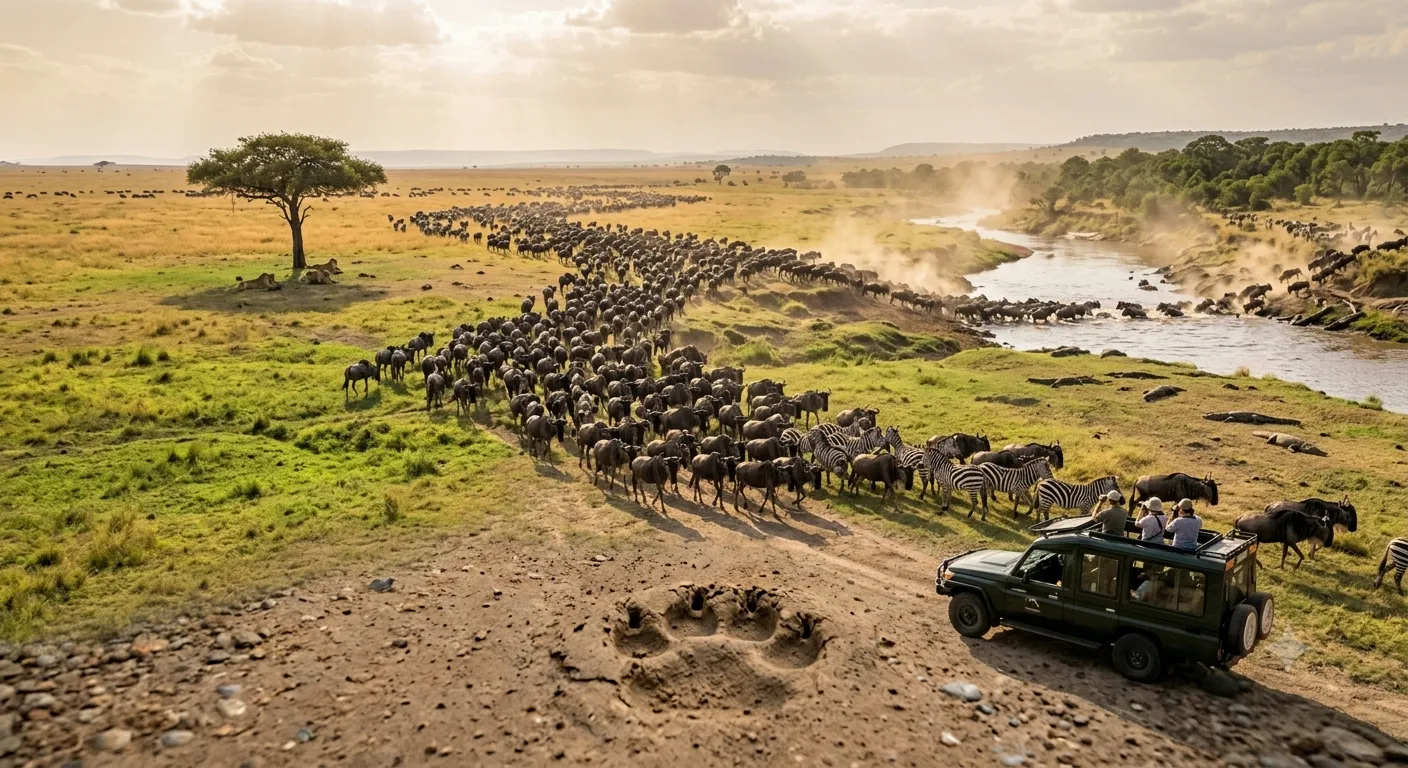
Forest safaris involve exploring wooded habitats where vegetation can limit visibility. Grassland safaris often provide wider views of animals moving across open plains.
Why should visitors choose a guided forest safari?
Experienced guides can identify animal tracks, recognise bird calls and explain wildlife behaviour. Their knowledge helps visitors understand the forest and follow responsible wildlife-viewing practices.
How can visitors help protect forests during a safari?
Visitors can follow park rules, avoid disturbing wildlife, stay on designated routes and choose responsible operators. Respecting local communities and natural habitats also supports conservation efforts.

















Sign in to leave a comment.