

At Summit Engineering, we've worked on enough oil and gas projects across the UAE to notice a consistent pattern: the projects that run over budget or fall behind schedule almost always trace their problems back to one place, an FEED phase that was rushed, underfunded, or skipped altogether.
FEED, Front End Engineering Design, is the stage where a project's technical scope, cost accuracy, and schedule get properly defined before EPC (Engineering, Procurement, and Construction) execution formally begins. It's not the exciting part of a project. There's no ribbon cutting for a well-executed feasibility study. But it's the phase that determines whether everything that follows goes smoothly or turns into a series of expensive surprises.

What happens when FEED gets rushed
We've seen it play out the same way more than once. A client is eager to move into construction, FEED gets compressed to save time upfront, and then three months into execution, an issue surfaces that FEED should have caught, an environmental constraint, a cost estimate that didn't account for site-specific conditions, a scope gap between what engineering assumed and what construction actually needs. Fixing it mid-project always costs more, in both money and schedule, than addressing it properly during FEED would have.
How we approach it differently
Our project management process treats FEED as a genuine phase, not a formality to move past quickly. That includes proper environmental and feasibility studies upfront, technical engineering work that accounts for real site conditions rather than generic assumptions, and early alignment between all stakeholders before commitments get locked in.
We act as a strategic intermediary in this process, bridging clients with the right expertise, partners, and processes so that risk gets identified and mitigated at the stage where it's cheapest to address, not after ground has already been broken.
Where this has paid off
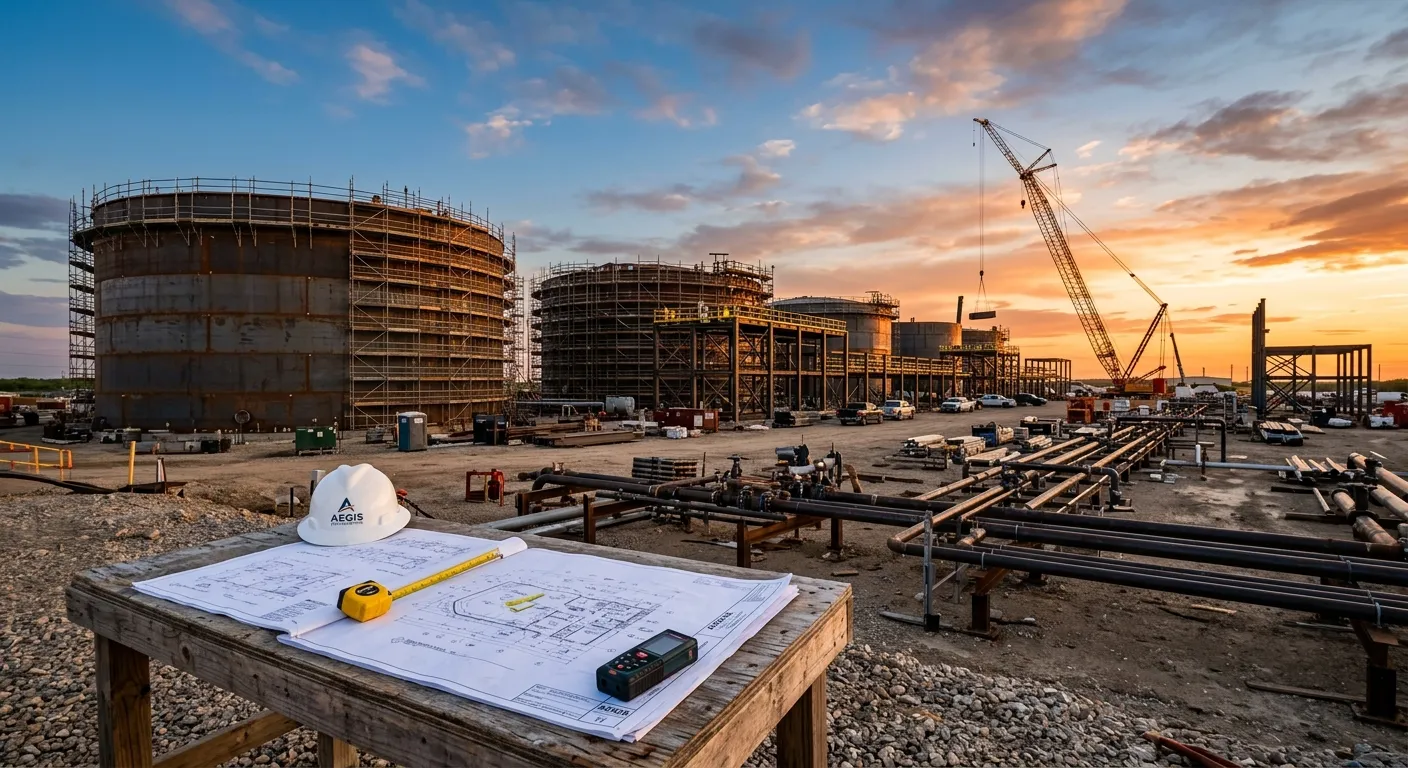
This approach is exactly what we brought to projects like the NSE Terminal Fujairah expansion and the Umm Al Nar Refinery relocation, both projects where getting the early planning right made the difference between a smooth execution phase and a costly one. You can see more of our completed and ongoing work on our projects page.
The takeaway
FEED isn't overhead. It's where a project's actual success gets decided, long before construction crews show up. We'd rather spend the time getting it right upfront than explain a schedule slip six months into execution.
Learn more about us at https://summit-epm.com/























Sign in to leave a comment.