
Parents often focus their school research heavily on senior secondary outcomes — board results, competitive exam preparation, and career guidance. But a child's foundational years, roughly from pre-primary through the early primary grades, quietly shape their attitude toward learning, confidence, and academic habits for years to come. This guide looks at why these early years deserve just as much attention when comparing schools.
What Happens During the Foundational Years
The early years of schooling focus less on rigid academic content and more on building core skills: language development, basic numeracy, social interaction, emotional regulation, and a genuine curiosity about learning. Research in early childhood education consistently shows that children who develop strong foundational skills during this period tend to adapt more easily to increasing academic demands later on.
This is also the stage where a child's relationship with school itself is formed. A supportive, engaging environment during these years can build lasting confidence, while a rigid or overly academic-focused approach too early can sometimes create unnecessary pressure before a child is developmentally ready for it.
What to Look for in a Foundational Program
When evaluating a school's approach to early education, it helps to ask about:
- Teacher training specific to early childhood education, since teaching young children requires a different skill set than teaching older students
- Class sizes and individual attention, since younger children generally need closer supervision and more personalized engagement
- Balance between structured learning and play-based activities, which supports both cognitive and social development
- Transition support between pre-primary, primary, and middle school stages, so children aren't faced with abrupt shifts in expectations
How This Connects to Long-Term Outcomes
A strong foundation doesn't guarantee later academic success on its own, but it does make the transition into more rigorous CBSE curriculum demands significantly smoother. Children who enter middle and senior school with solid reading habits, basic numeracy confidence, and comfort with structured learning environments generally adapt faster to the increased academic pace that follows.
A Long-Term Institutional View
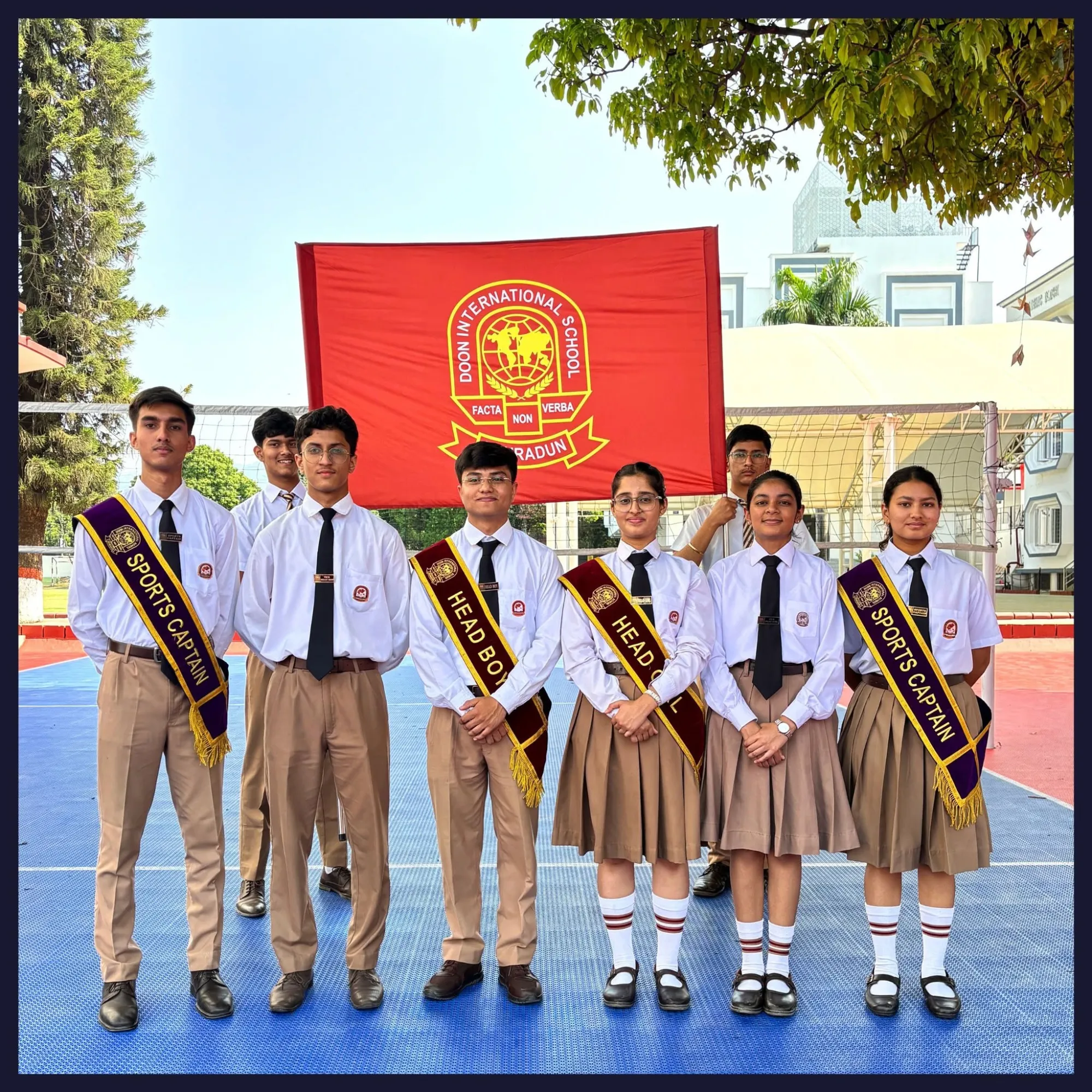
Schools with a long operating history often have well-established early years programs, refined over many years of practice. Doon International School, established in 1993 and operating across four campuses — Dehradun City, Mohali, Pondha, and New Chandigarh — has built its academic structure around continuity from the earliest years of schooling through to senior secondary, supported by a housemaster and housemistress system that extends mentorship-style attention across grade levels.
For parents comparing the best CBSE schools in India, it's worth asking specifically about how a school approaches its foundational years program, not just its senior secondary results — the early experience often shapes everything that follows.
Common Mistakes Parents Make
- Focusing entirely on board results when researching schools, without asking about early years teaching approach
- Assuming all foundational programs are similar, when class size, teacher training, and pedagogical approach can vary significantly
- Rushing academic pace too early, without considering whether a child is developmentally ready for more structured learning
- Overlooking the transition process between pre-primary, primary, and middle school stages
Practical Tips for Parents
- Ask specifically about teacher qualifications for pre-primary and primary grades
- Observe an actual early years classroom if possible, rather than relying on brochures alone
- Ask how the school balances play-based learning with structured academic content
- Understand how the school supports children during transitions between schooling stages
Frequently Asked Questions
At what age should a child start formal schooling? This varies by family and child, but most CBSE schools follow a structured pre-primary intake around age three to four, with formal Class I beginning around age six.
Do foundational years really affect later academic performance? Yes, early childhood education research generally supports the idea that strong foundational skills in language, numeracy, and social development make later academic transitions smoother.
Should parents prioritize academics or play-based learning in the early years? A balance of both is generally recommended, since young children learn effectively through structured play alongside early academic exposure.
How can parents evaluate a school's early years program? Ask about teacher training specific to early childhood education, class sizes, and how the school supports transitions between pre-primary, primary, and later grades.
Explore More Doon International School Pages
- About Doon International School
- Academics
- Admission Procedure
- Results
- Facilities
- Student Life
- House System
- Fee Structure
- Our Campus
- Awards & Achievements

























Sign in to leave a comment.