

Google reviews directly determine how many customers find and choose a local business. High ratings and positive feedback increase a company’s visibility in search results and build immediate trust with potential buyers. This connection between feedback and revenue is the foundation of modern local growth.
Businesses that manage their online feedback effectively see higher click-through rates and more phone calls. Effective reputation management solutions help companies maintain a positive online presence, respond to customer feedback, and build trust with potential buyers. This guide covers how reviews influence buyer behavior and provides practical strategies for managing a professional digital reputation. Expert knowledge in local marketing shows that a steady flow of reviews is a major signal of business health.
Experience in the service industry confirms that customers prioritize recent feedback over older posts. A business with hundreds of reviews from three years ago often loses leads to a competitor with twenty fresh reviews. Maintaining a current profile is a requirement for staying competitive in any local market.
The Direct Link Between Feedback and Customer Choice
Studies show that nearly 90 percent of consumers read online reviews before they visit a local business or call for service. This peer feedback acts as social proof that validates the claims made in a company's marketing materials. When a business has a high rating, people feel safer spending their money there.
A high volume of positive comments helps a business stand out in a crowded market. When multiple companies offer similar services at similar prices, the review score often becomes the tiebreaker. This makes the public perception of a brand a primary driver of sales volume and growth.
Search Engine Rankings and Visibility
Google uses reviews as a primary ranking factor for the local map pack. Their algorithm prioritizes businesses that show active engagement and high levels of customer satisfaction. More reviews generally lead to a higher position in search results for local service terms.
The algorithm looks for more than just the average star rating. It analyzes how often a business receives new feedback and how they respond to those comments. Consistent activity tells the search engine that the business is still active and providing good service to the community.
Review Volume and Local Map Performance
A large number of reviews helps a business dominate the local maps section. Google perceives a high volume of feedback as a sign of authority and reliability. This leads to better placement when users search for "near me" services in their immediate area.
Data indicates that local search results favor businesses that maintain at least a 4.0 rating. Profiles that fall below this threshold often see a significant drop in impressions. High visibility is almost impossible to achieve without a focused effort on gathering customer feedback.
Keyword Use in Customer Feedback
When customers mention specific services, such as "ac repair" or "clogged drain," in their reviews, it helps Google understand what the business does. These natural mentions improve the company’s chances of showing up for those specific search terms. It is a form of organic content that the business does not have to write itself.
Detailed reviews are more helpful than simple star ratings. They provide context that helps both the search engine and the potential customer. Encouraging clients to describe the work performed can lead to better search performance over time.
Bonus Tips for Better Feedback
Ask customers to mention the specific technician by name in their review. This adds a personal touch and increases the likelihood that other customers will feel a connection to the team. It also allows the business to track which employees are providing the best service.
Technical Details for Profile Management
Businesses must verify their profiles to manage reviews properly. An unverified profile limits the ability to respond or report spam. Regular maintenance of the business profile ensures that all information remains accurate for the public.
Strategies for Managing Professional Reputation
While technical visibility is a major factor, successful companies do not leave their reputation to chance. They use proactive systems to ask for feedback after every successful job. This ensures a steady stream of new reviews that keep the profile looking fresh and relevant to new searchers.
Automating the request process reduces the burden on staff and ensures no customer is forgotten. Simple text messages or emails sent immediately after service have the highest success rates. Speed is important because customers are most likely to leave a review while the positive experience is fresh.
Responding to Positive and Negative Comments
Replying to every review shows that a business cares about its customers. This activity builds loyalty and demonstrates a high level of professional service. Even a short thank-you note makes a significant difference in how the public views the company.
Negative feedback requires a calm and professional response. Addressing concerns publicly shows potential customers that the business is accountable and willing to fix mistakes. It often turns a bad situation into an opportunity to demonstrate excellent customer service.
Developing a Review Culture Within the Team
Employees should understand how their performance impacts the company's online standing. Some businesses offer small incentives for technicians who are mentioned by name in positive reviews. This encourages the staff to provide the best possible experience for every client.
When the entire team is focused on reputation, the quality of service naturally improves. This creates a cycle in which good service leads to good reviews, which in turn leads to more business. It is a sustainable way to grow a local service company.
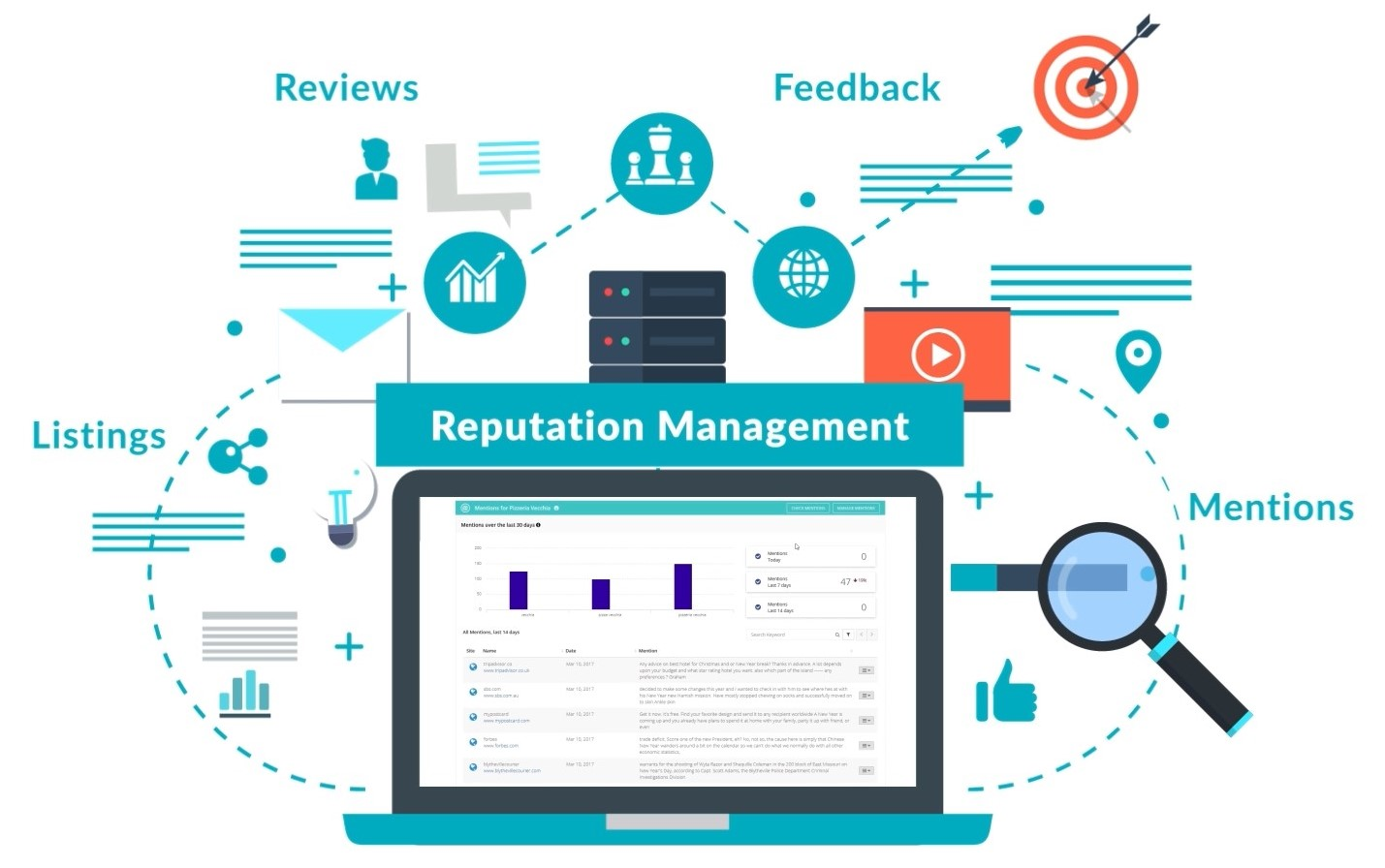
Comparison of Management Approaches

Things to Consider Before Starting a Reputation Plan
Before a business invests in a reputation solution, it should evaluate its current service quality. A system that asks for reviews will only work if the customers are actually happy with the work. Bringing attention to poor service can sometimes backfire if the internal processes are broken.
The business also needs to consider which platform to prioritize. While Google is the most important for search, some industries may also benefit from feedback on trade-specific sites. A balanced approach ensures that the business looks good everywhere a customer might look.
Finally, the team must be prepared to handle the increased volume of feedback. Responding to reviews takes time and effort. If a company plans to grow its review count, it must have a designated person or team responsible for monitoring and replying to comments daily.
Bonus Tips for Quick Growth
Use physical materials, such as business cards or stickers, that include a direct link to the review page. This makes it easy for customers to find the right place to leave feedback without having to search for the business themselves.
Final Thoughts on Reputation Management
Managing Google reviews is a necessary part of running a modern service business. It directly impacts search visibility and the ability to turn leads into paying customers. Businesses that ignore their online reputation risk losing market share to more active competitors.
Growth requires a combination of excellent service and a systematic way to collect feedback. By staying consistent and responding to all customers, a company can build a lasting professional image. Every business should look at its current rating and decide whether it accurately reflects the quality it provides.
Improving Your Local Online Presence
Expert assistance can help a business streamline its feedback process and improve its search rankings. They provide tools and strategies that make reputation management simple and effective for busy owners. For companies looking to grow their lead flow through better ratings, reaching out to a specialist is a helpful next step.
Genius Marketing works with local service providers to build strong digital reputations. They offer practical solutions for gathering more feedback and improving visibility in local search results. Interested businesses can contact them at (360) 519-5100 or email [email protected] for more information.
Author: Spencer Hart, founder of Genius Marketing, has more than 25 years of experience in marketing and local SEO for service businesses. He helps HVAC, plumbing, and other local companies generate more leads and grow revenue.
Reviewer: Jordan Lee is a marketing and local SEO specialist with more than 6 years of hands-on experience helping small- and mid-size service businesses improve their online reach and maintain a steady lead flow.
Frequently Asked Questions About Reviews
How many reviews does a business need to rank high?
There is no specific number that guarantees a top spot. A business generally needs more reviews than its closest competitors to stand out. Consistency is more important than a high number followed by months of silence.
Can a business delete a negative Google review?
A business cannot delete a review just because it is negative. Google only removes feedback that violates its terms of service, such as spam or fake accounts. The best way to handle a bad review is to respond professionally and solve the customer's problem.
Does replying to reviews help with SEO?
Yes, responding to reviews signals to Google that a business is engaged with its audience. It increases the profile's activity level, which is a positive ranking factor. It also encourages more customers to leave feedback when they see the business replies.
How often should a business ask for reviews?
They should ask every single customer after every interaction. As long as the request is polite and not intrusive, most customers do not mind being asked. Making it a standard part of the service process ensures the best results.

























Sign in to leave a comment.