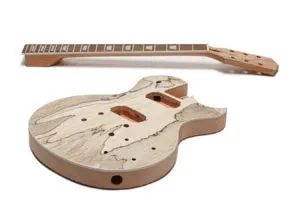

A repair may look simple at first, but one small component can affect the whole instrument. A weak switch, worn nut, loose jack, or poor bridge can reduce tuning stability, comfort, and reliability. This is why replacement quality matters. The right component can help the repair last longer and keep the guitar working as expected. It can also reduce the chance of the same problem returning after only a few weeks, especially when the instrument is played several times each week. In this article, we will discuss how component quality affects repair results, setup accuracy, durability, and long-term playing confidence.
Better Components Help Repairs Last Longer
Good guitar parts can make a clear difference to the final result of a repair. Fit, material quality, and build consistency all affect how well the new component works. A secure output jack can help prevent signal loss, while a properly shaped nut supports smoother tuning. Compatibility matters just as much as price. A bridge that looks right may still create problems if the post spacing is wrong. In practice, I prefer checking measurements before fitting anything because fixing a poor match later usually takes more time and may add extra cost.
Stable Hardware Supports Better Adjustments
Professional guitar setups depend on hardware that can hold its position. A technician may carefully adjust the action, neck relief, pickup height, and intonation, but worn tuners or loose saddles can quickly undo that work. For example, a player may collect a guitar after a Friday setup and notice tuning problems during rehearsal the following week because one tuner post is slipping. Better components may cost more at the start, but they can reduce repeat adjustments and help the instrument stay more consistent over time.
Price Should Be Balanced With Fit and Quality
Choosing affordable guitar parts does not mean buying the cheapest option available. A sensible choice should suit the instrument, the type of repair, and how often the guitar is played. A few basic checks can prevent costly mistakes.
1.Check screw spacing, mounting size, and dimensions
2.Match electrical values for pots and switches
3.Compare materials in high-wear areas
4.Confirm string spacing before choosing bridges
5.Check finish compatibility for visible hardware
6.Choose parts that suit regular use
A lower-cost component may be fine for light use, while a guitar played at weekly gigs may need something stronger. The right choice is the one that fits properly and performs reliably without creating another issue later.
Matching Components Can Reduce Repeat Problems
Using reliable replacement guitar components can help prevent the same fault from returning. One change may also affect several other areas. A new bridge can alter string height and intonation, while a pickup replacement may change output balance or wiring needs. For that reason, each repair should be viewed as part of the whole instrument. Careful measuring, clean fitting, and a final check help confirm that the new component works well with the neck, electronics, and hardware. This approach may take a little longer, but the result is usually more stable and easier to maintain.
Conclusion
A successful repair depends on more than replacing a damaged item. Correct fit, dependable materials, careful installation, and stable hardware all support better tuning, comfort, electronics, and durability. Thoughtful choices can reduce repeat problems and help the instrument perform more consistently.
SOLO Music Gear supports musicians, builders, hobbyists, and repair shops with components, tools, kits, setup support, and technical resources. Its online range serves customers across Canada and the USA who want practical options for repairs, maintenance, upgrades, and custom projects.
Frequently Asked Questions
Question: How do I know whether a replacement part is compatible with my guitar?
Answer: Check the measurements, mounting style, screw spacing, electrical values, and instrument model before ordering. If the details are unclear, compare the specifications carefully or ask for guidance before making any changes.
Question: Are more expensive components always better for repairs?
Answer: No. Higher prices may reflect materials, branding, or manufacturing quality, but correct fit still matters most. A moderately priced component that suits the instrument can perform better than an expensive option that needs extra modification.
Question: Can poor-quality hardware affect tuning stability?
Answer: Yes. Worn or inconsistent tuners, bridges, nuts, and saddles can allow movement that affects pitch. Stable hardware helps the instrument hold adjustments more reliably and keeps the playing feel more consistent.



























Sign in to leave a comment.