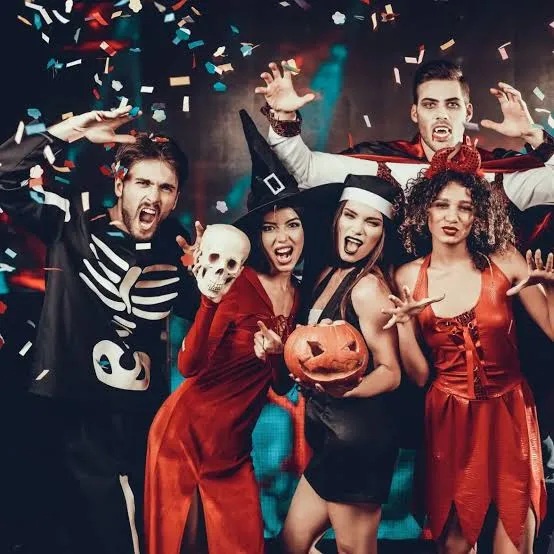

Why does Halloween feel spooky even before the costumes appear? The answer lies in centuries of folklore, seasonal traditions, storytelling, and cultural change. The halloween spirit meaning is not simply about ghosts, fear, or darkness. It reflects humanity’s fascination with the unknown and our ability to turn fear into fun. From ancient harvest traditions to modern Halloween parties, October 31 has evolved into a celebration where mystery, imagination, remembrance, and community come together in one unforgettable night.

Where the Spooky Spirit of Halloween Comes From
The spooky atmosphere surrounding Halloween has deep historical roots. October traditionally marked an important seasonal transition in parts of Europe, particularly around the end of the harvest and the beginning of winter. In Gaelic traditions, Samhain was associated with this transition and with beliefs about supernatural beings and the boundary between the living and the otherworld.
Halloween later developed alongside Christian observances connected with All Hallows’ Eve, All Saints’ Day, and All Souls’ Day. Over centuries, different customs blended and evolved as traditions moved between communities and eventually across the Atlantic.
This history helps explain why Halloween combines seemingly opposite ideas. It can be frightening but playful, mysterious but social, and focused on both darkness and celebration. Ghost stories, masks, firelight, supernatural creatures, and seasonal imagery all contribute to the atmosphere.
Understanding these origins also prevents a common misconception: modern Halloween is not simply one ancient festival preserved unchanged. It is the result of many cultural influences and centuries of adaptation. Its “spooky spirit” developed because people repeatedly found creative ways to explore themes of mortality, mystery, seasonal change, and the unknown.
Samhain and the Mystery of the Seasonal Change
Samhain is frequently discussed when exploring Halloween origins. Traditionally associated with the end of the harvest and the beginning of winter, it represented a significant point in the Gaelic seasonal calendar.
Traditional beliefs connected the period with supernatural activity, making it an important part of the historical background behind Halloween’s fascination with spirits and the otherworld.
However, modern Halloween should not be described as simply identical to Samhain. Contemporary Halloween incorporates many later influences, including Christian traditions, European folk customs, and North American cultural practices.
The connection is still meaningful because it helps explain why Halloween has long been associated with darkness, transition, spirits, and the changing season.
All Hallows’ Eve and the Evolution of October 31
The word “Halloween” is commonly traced to “All Hallows’ Eve,” referring to the evening before All Saints’ Day.
Christian observances concerning saints and the dead became part of the historical development of October traditions. Meanwhile, folk customs involving disguises, storytelling, seasonal celebrations, and supernatural folklore continued to evolve.
As these influences met, Halloween became something broader than any single religious or seasonal observance. Its traditions gradually became increasingly social and recreational.
That evolution is central to the halloween spirit meaning today. The spooky character of Halloween is historical, but its modern expression is flexible. A haunted house, a funny costume, a carved pumpkin, or a ghost story can all communicate the same fascination with the mysterious in very different ways.
Why Halloween Feels Spooky but Still Fun
Halloween is unusual because it allows people to play with emotions that would normally make them uncomfortable. Darkness, ghosts, skeletons, monsters, haunted houses, and mysterious sounds are traditionally associated with danger or fear. During Halloween, however, those same elements can become entertainment.
The holiday creates a safe cultural space for people to experience controlled fear. A scary movie can make your heart race while you remain comfortably seated with friends. A haunted attraction can make someone scream and immediately laugh afterward. A creepy costume can look frightening without creating real danger.
This transformation is one of the most fascinating aspects of Halloween. Fear becomes a form of play.
For children, Halloween can introduce spooky concepts through imagination rather than reality. For adults, it can offer nostalgia, humor, creativity, and an escape from routine. The result is an atmosphere where people can acknowledge darkness while choosing how they want to respond to it.
That balance between fear and fun is a major part of the modern Halloween spirit.
Turning Fear Into Play
Halloween gives people permission to make scary things entertaining. A skeleton becomes a decoration. A ghost becomes a costume. A witch becomes a party theme. A monster becomes a cartoon character.
This does not necessarily erase the symbolism of these images. Instead, it changes the emotional relationship people have with them.
Psychologically, controlled exposure to frightening stories or situations can create excitement because people know they are participating voluntarily. Halloween amplifies this effect through costumes, music, lighting, decorations, and social interaction.
The result is a unique emotional combination: anticipation, suspense, surprise, and laughter.
That is why a successful Halloween celebration does not have to be genuinely terrifying. The “spooky” atmosphere works because participants understand that the fear is part of the game.
The Role of Storytelling and Imagination
Long before Halloween became a major modern celebration, humans used stories to explain mysterious events, death, nature, and the unknown. Ghost stories and supernatural folklore gave communities ways to explore questions that did not have easy answers.
Halloween continues this storytelling tradition in modern forms.
A family may tell a classic ghost story. Friends might watch a horror movie. Children may invent stories about a haunted house. Social media creators can build elaborate Halloween narratives through costumes, makeup, videos, and themed photography.
The halloween spirit meaning therefore includes more than frightening imagery. It is also about imagination—the ability to temporarily create another world and invite others into it.
What Halloween Symbols Really Represent
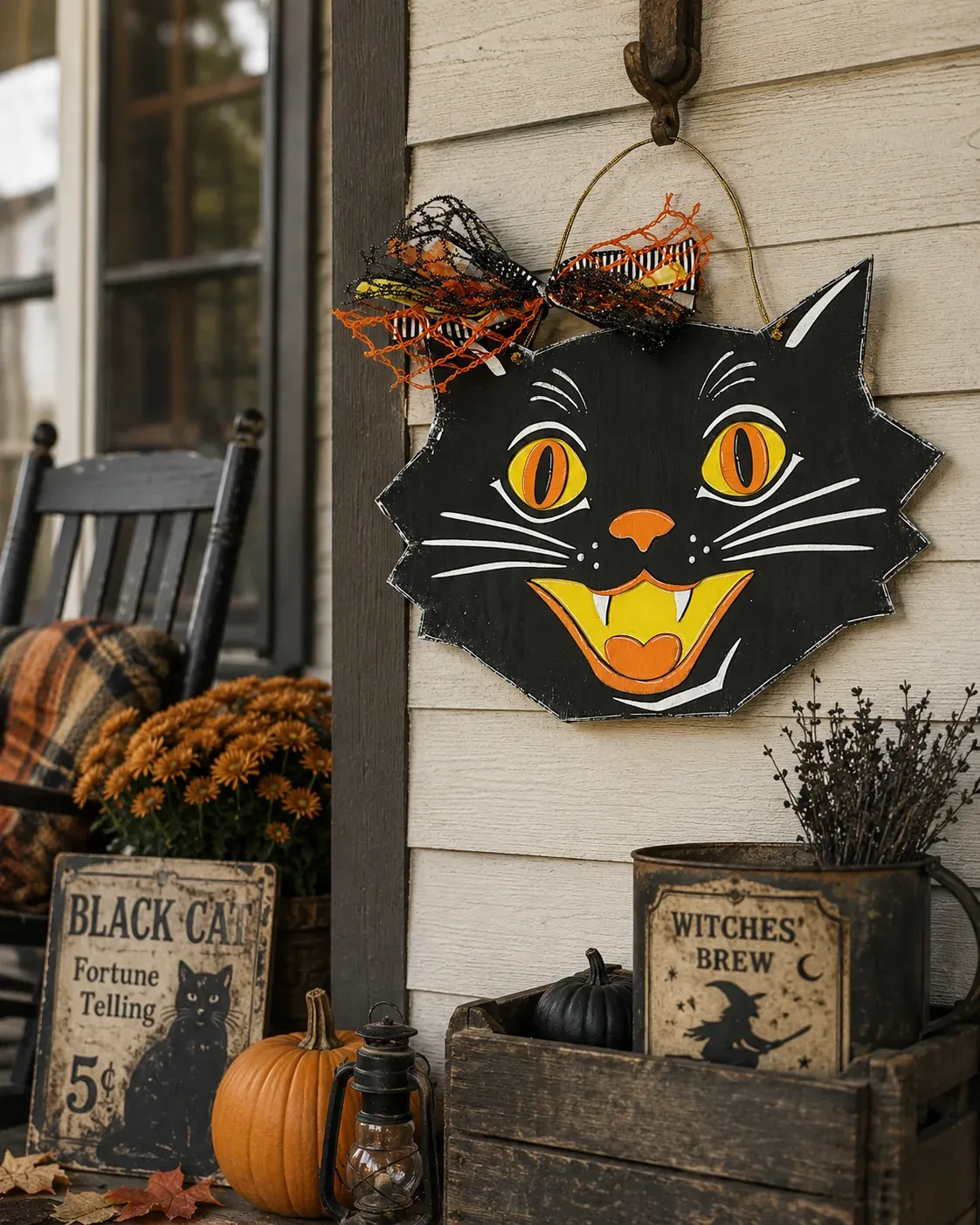
Halloween symbols help create its instantly recognizable visual identity, but their meanings are more layered than they first appear. Pumpkins, ghosts, bats, black cats, skeletons, witches, cobwebs, and moonlit scenes have all become part of the holiday’s cultural vocabulary.
Some symbols originate in folklore, while others became popular through literature, entertainment, advertising, and modern Halloween culture. Their meanings can also change depending on context.
A skeleton may suggest mortality, yet a cartoon skeleton can be humorous. A ghost can represent the supernatural, while a friendly ghost decoration can feel playful. A black cat may appear mysterious in Halloween imagery without carrying one fixed meaning.
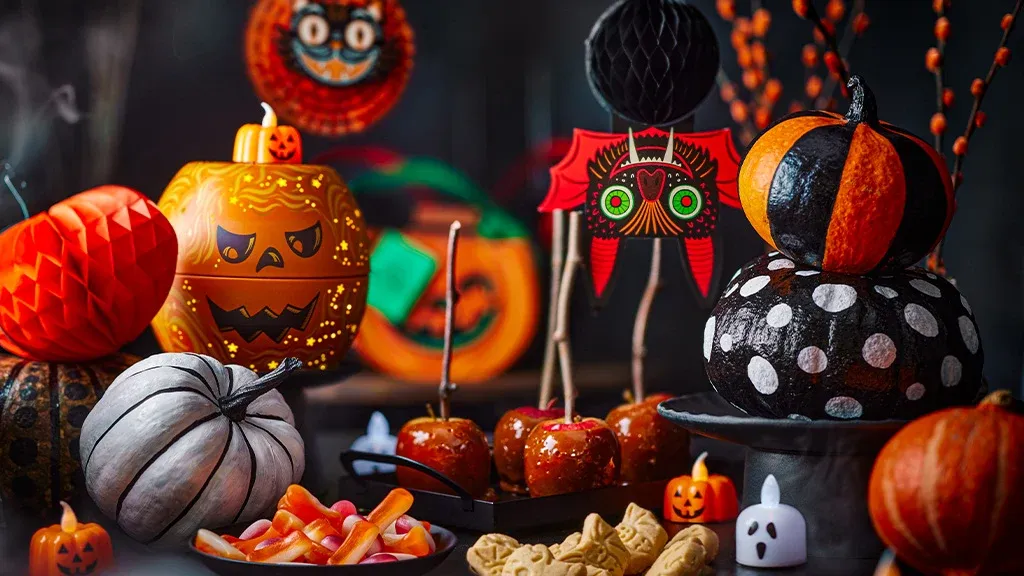
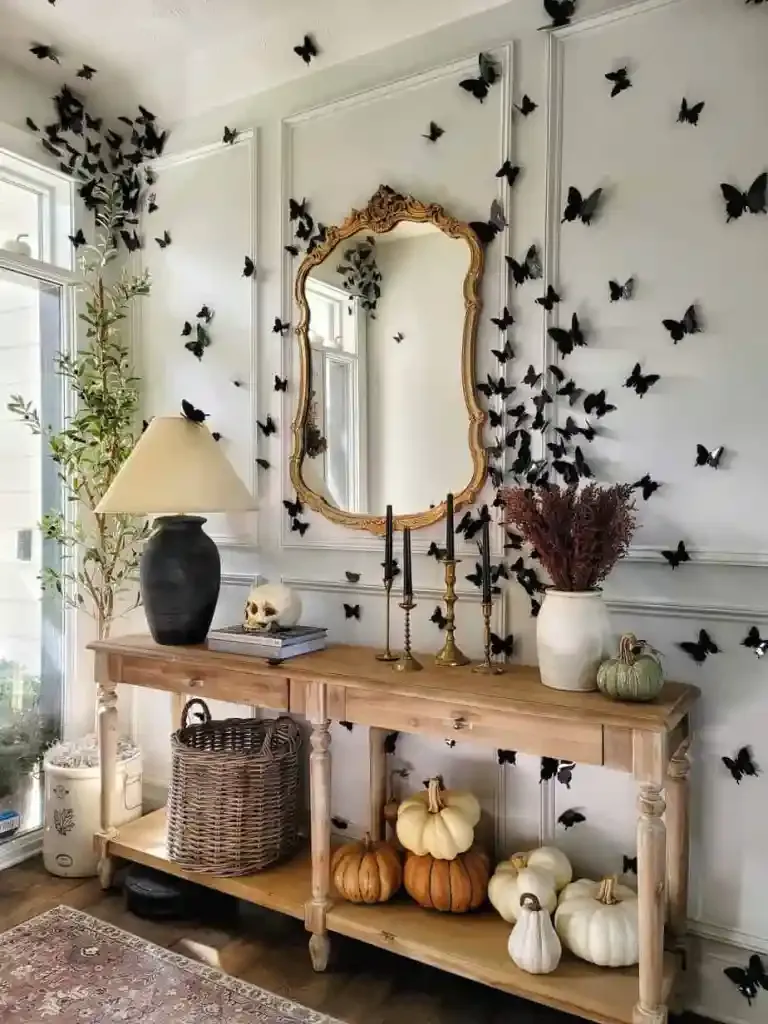
The flexibility of these symbols explains why Halloween can appeal to different generations and personalities. One person may prefer elegant autumn décor, another may want a haunted-house aesthetic, while someone else chooses cute pumpkins and friendly ghosts.
In 2026, Halloween continues to evolve through DIY creativity, themed events, social media trends, and personalized celebrations. Yet the basic visual language remains remarkably familiar.
Jack-o’-Lanterns: Light in the Darkness
The jack-o’-lantern is perhaps the clearest symbol of Halloween’s spooky spirit. The tradition has roots in Irish and Scottish folklore involving carved vegetables, while pumpkins became especially popular in North America because they were widely available and easier to carve.
Today, pumpkin carving has become a creative Halloween ritual.
The glowing face creates an intriguing contrast. Halloween is filled with darkness, but the jack-o’-lantern places a small source of light directly inside it.
That contrast captures much of the holiday’s emotional character: fear mixed with humor, darkness mixed with warmth, and mystery mixed with creativity.
Whether the design is frightening, funny, cute, or highly detailed, each pumpkin becomes a personal interpretation of Halloween.
Ghosts, Skeletons, and Other Spooky Icons
Ghosts and skeletons are powerful Halloween symbols because they connect the celebration with ideas about mortality and the unknown.
Yet modern Halloween often transforms these serious themes into playful imagery. Skeletons can dance on decorations. Ghosts can appear on greeting cards. Bats can become cute graphics. Witches can be portrayed as humorous or fashionable characters.
This transformation demonstrates how Halloween allows people to approach uncomfortable subjects indirectly.
Instead of avoiding darkness completely, the holiday places it inside a creative framework. People can explore supernatural folklore and mortality while surrounded by laughter, costumes, music, and friends.
That ability to reinterpret frightening symbols is one reason the Halloween aesthetic remains so adaptable.
The Modern Meaning of the Halloween Spirit in 2026
Today, the Halloween spirit is less about following one fixed tradition and more about creating a shared experience. Families decorate their homes, children go trick-or-treating, friends organize costume parties, and communities host seasonal events. Digital culture has also expanded how people participate, from sharing costume ideas to creating elaborate Halloween-themed content.
Yet beneath the modern trends, the emotional core remains recognizable: curiosity, creativity, connection, and the playful exploration of the unknown.
Halloween also offers an opportunity to create traditions that become personal memories. A yearly pumpkin-carving night, family costume, spooky movie marathon, or neighborhood gathering can become something people anticipate every autumn.
This is where the halloween spirit meaning becomes personal. The holiday may have centuries of history, but its emotional meaning is created anew by every generation.
Halloween as a Celebration of Connection
At its heart, Halloween is remarkably social.
A decorated doorway invites interaction. Trick-or-treating creates brief exchanges between neighbors. Costume parties encourage conversation. School and community events bring people into shared spaces.
Even small traditions can strengthen relationships. Parents and children can make decorations together. Friends can coordinate costumes. Neighbors can create a shared display.
These moments transform Halloween from a collection of products into an experience.
Creating Your Own Halloween Spirit
There is no single correct way to celebrate Halloween. The most meaningful traditions are often the ones that reflect your personality and the people around you.
You might choose a classic spooky theme, a nostalgic childhood celebration, a family-friendly pumpkin night, or a creative costume party. You can make decorations yourself or combine traditional symbols with modern design.
The important thing is participation.
The true halloween spirit meaning is found in the space between fear and fun, darkness and light, tradition and creativity. Halloween gives people a chance to step outside ordinary routines, explore the mysterious, and create memories together.
As October 31 approaches in 2026, remember that the spooky spirit is not hiding inside a costume or a candy bowl. It lives in the stories we tell, the traditions we create, the laughter we share, and our willingness to make the unknown feel a little more magical.
Bring that atmosphere into your celebration with Halloween decorations, spooky party supplies, jack-o’-lantern accessories, and festive seasonal décor designed to turn an ordinary space into a memorable Halloween experience.
Address: 1308 Clement St, San Francisco, CA 94118, USA
Mail: [email protected]
Follow us for more updates:
https://www.instagram.com/printingoozestore/
















Sign in to leave a comment.