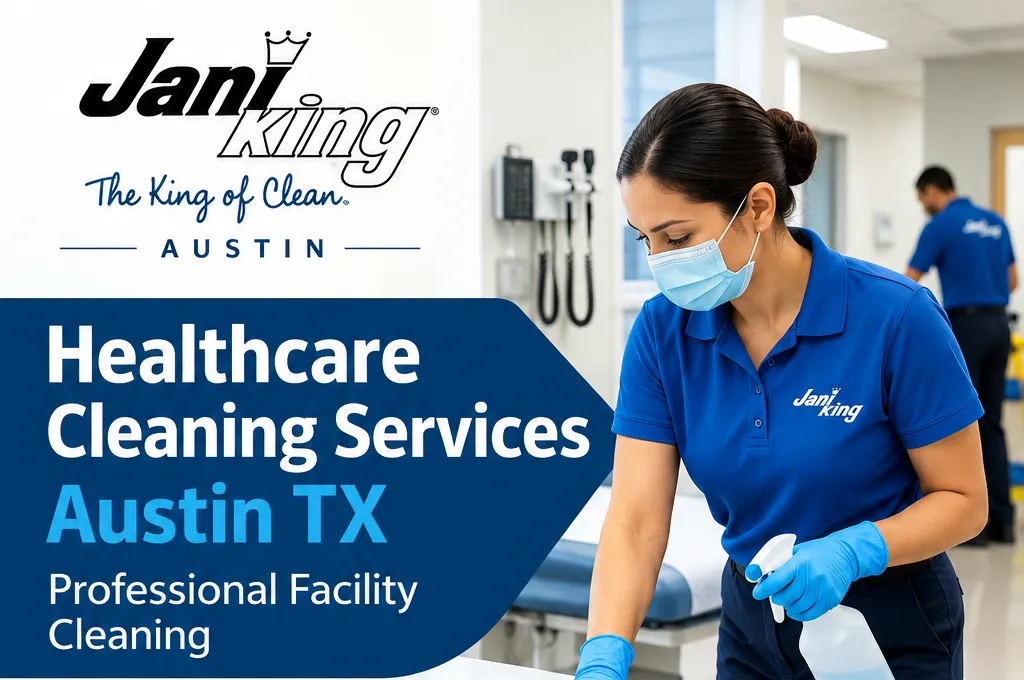


Cleaning a medical office, clinic, or healthcare facility isn't the same task as cleaning a regular commercial space. The stakes are higher: infection control, regulatory compliance, and patient safety all depend on it. For facility managers and healthcare administrators, understanding what proper healthcare cleaning actually involves is the first step toward protecting both patients and staff.
1. Infection control comes first
Unlike a typical office, healthcare facilities deal with bodily fluids, medical waste, and surfaces that can harbor pathogens. Cleaning protocols need to follow infection-control standards, not just general tidiness. This includes proper disinfection of high-touch surfaces like door handles, exam tables, waiting room chairs, and shared equipment.
2. Different areas need different protocols
A healthcare facility isn't one uniform space. Waiting rooms need frequent surface cleaning due to high patient turnover. Exam rooms require disinfection between every patient. Restrooms need extra attention given the vulnerable populations often using them. Break rooms and administrative areas, while lower-risk, still need regular cleaning to maintain overall facility standards.
3. Proper training and certification matter
Not every cleaning company understands healthcare-specific requirements. Look for a provider whose staff is trained in the use of hospital-grade disinfectants, proper PPE handling, and OSHA bloodborne pathogen standards. Improper handling of cleaning chemicals or contaminated materials can create more risk, not less.
4. Scheduling around patient flow
healthcare cleaning services often can't simply close for cleaning the way an office might after hours. Many need cleaning that fits between patient appointments or in short windows overnight. A provider experienced in healthcare settings will know how to work efficiently without disrupting care.
5. Documentation and accountability
Because of regulatory oversight, healthcare facilities often need documented proof of cleaning schedules and protocols. Ask any potential cleaning partner whether they provide logs, checklists, or reporting that can support compliance audits.
6. Waste handling
Medical waste requires separate handling from regular trash. A cleaning provider working in a healthcare setting should understand which waste streams need special disposal and follow proper protocols to avoid contamination or compliance issues.
Why this matters locally
Austin's healthcare sector includes everything from small private practices to larger clinics and specialty centers, each with different layouts, patient volumes, and compliance needs. A one-size-fits-all cleaning approach doesn't hold up in this kind of environment. Facility managers benefit from partnering with cleaning providers who have specific healthcare experience rather than general commercial cleaning only.
The bottom line
Cleaning in a healthcare setting isn't just about appearances. It's a component of patient safety and regulatory compliance. Taking the time to vet a cleaning partner's healthcare-specific training and protocols is worth the effort. For facilities researching local providers with relevant experience, this resource outlines what a healthcare-focused cleaning service typically covers in the Austin area.
Frequently Asked Questions
What are the main differences between cleaning a healthcare facility and a regular office?
Cleaning a healthcare facility involves stricter infection control measures and adherence to regulatory compliance, unlike a standard office. Healthcare spaces must address potential exposure to bodily fluids and pathogens, necessitating specialized cleaning protocols and the use of hospital-grade disinfectants.
How often should different areas of a healthcare facility be cleaned?
Cleaning frequency varies by area: waiting rooms require frequent surface cleaning due to high patient turnover, while exam rooms need disinfection between each patient. Restrooms require extra attention, and administrative areas should also be regularly maintained to ensure overall hygiene.
Why is proper training important for cleaning staff in healthcare settings?
Proper training is crucial because healthcare cleaning involves specific requirements, such as the use of PPE and adherence to OSHA bloodborne pathogen standards. Untrained staff may improperly handle cleaning chemicals and contaminated materials, potentially increasing health risks instead of reducing them.
Can healthcare cleaning services be scheduled during regular business hours?
Healthcare cleaning services often need to be scheduled around patient appointments, making it challenging to clean during regular business hours. Experienced providers can work efficiently in short windows between patients or during off-peak hours to minimize disruption to care.
What documentation should I expect from a healthcare cleaning service?
Healthcare facilities typically require documented proof of cleaning schedules and protocols for compliance audits. A reputable cleaning partner should provide logs, checklists, or reporting to ensure transparency and accountability in their cleaning practices.
How should medical waste be handled in a healthcare facility?
Medical waste must be handled separately from regular trash and requires specific disposal protocols to avoid contamination. Cleaning providers in healthcare settings should be knowledgeable about these waste streams and follow regulations to ensure safe and compliant disposal.
What makes a cleaning provider suitable for healthcare facilities?
A suitable cleaning provider for healthcare facilities should have specific experience in the sector, including knowledge of healthcare-specific cleaning protocols and regulations. It's important to vet potential partners for their training, certifications, and ability to manage varied cleaning requirements across different healthcare environments.

















Sign in to leave a comment.