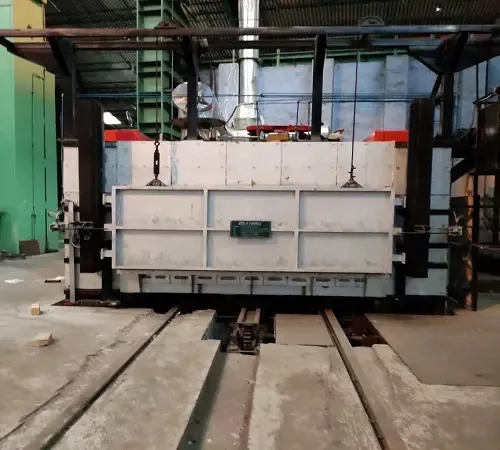


Manufacturing industries often need to improve the performance and reliability of metal components without changing their basic shape. Controlled heating and cooling provide a practical way to achieve this, which is why a heat treatment furnace is widely used in industrial production.
A heat treatment furnace allows manufacturers to control important processing conditions such as temperature, heating time and cooling rate. Depending on the material and required properties, different treatments can be used to improve hardness, strength, ductility, machinability or wear resistance.
What Is a Heat Treatment Furnace?
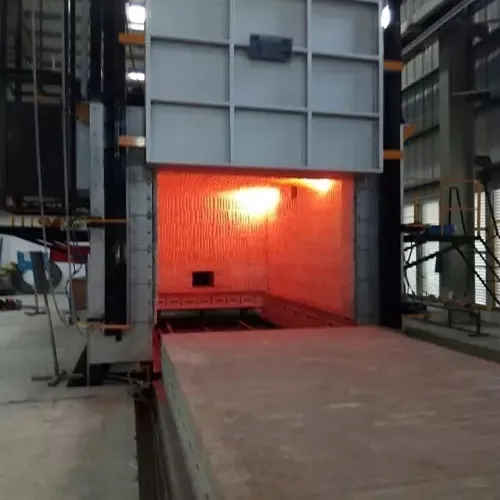
A heat treatment furnace is industrial equipment designed to heat materials to a specific temperature and maintain controlled conditions for a defined period. After heating and soaking, the material is cooled according to the required process.
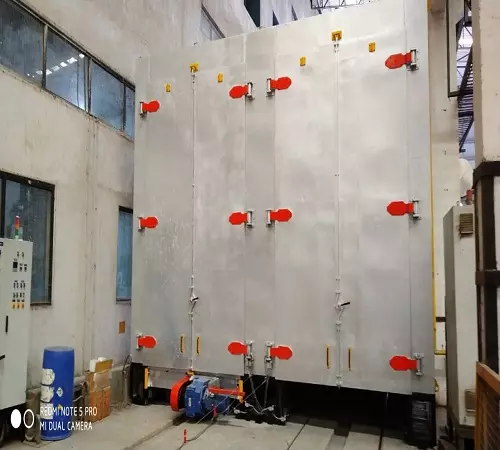
The exact furnace configuration depends on the material, component size, production volume and treatment being performed. Common systems include batch furnaces, continuous furnaces, bogie hearth furnaces, pit furnaces, vacuum furnaces and other specialized designs.
Key Advantages of Heat Treatment Furnaces
Precise Temperature Control
Accurate temperature control is essential when processing metals. Modern furnace systems use temperature sensors and control equipment to maintain the required heating conditions. This helps manufacturers achieve more consistent treatment results.
Repeatable Processing
When the same components are processed repeatedly, consistency becomes important. A controlled furnace cycle can help maintain similar heating and holding conditions from one production cycle to another.
Improved Material Properties
Heat treatment can modify the mechanical properties of metals. Depending on the selected process, manufacturers can improve hardness, strength, ductility, machinability and resistance to wear.
Support for Different Processes
A suitable furnace can be configured for several thermal processes, including annealing, hardening, tempering, normalizing, stress relieving and other specialized treatments. The appropriate process depends on the material and the required final properties.
Suitable for Production Requirements
Both batch and continuous furnace designs are available. Batch systems can be useful when different loads or production cycles need individual processing, while continuous systems can support higher-volume production where components move through controlled heating zones.
Better Process Monitoring
Modern industrial furnaces can incorporate automated controls, temperature monitoring and programmable process cycles. These features can make it easier for operators to monitor the treatment process and maintain established production parameters.
Choosing the Right Furnace
Selecting a furnace should be based on the actual production requirements rather than simply the maximum temperature of the equipment. Important factors include material type, component dimensions, load weight, required treatment, production quantity, heating method, atmosphere requirements and automation level.
Energy efficiency and maintenance requirements should also be considered when evaluating a furnace for long-term industrial use.
Conclusion
A properly selected heat treatment furnace can provide controlled processing, repeatable results and flexibility for different manufacturing requirements. From improving mechanical properties to supporting continuous production, furnace technology plays an important role in modern metal processing.
To learn more about the advantages and applications of industrial heat treatment equipment, visit the detailed resource on heat treatment furnace.



















Sign in to leave a comment.