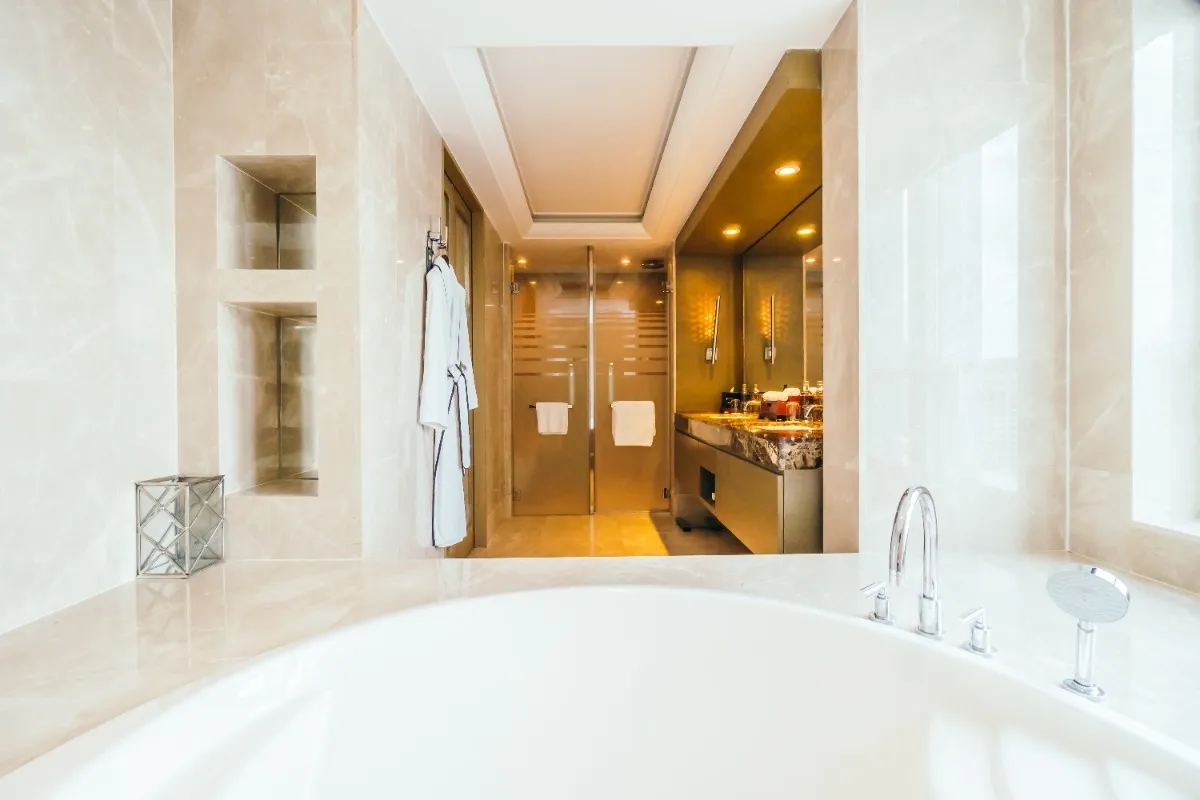

Imagine stepping out of a steaming morning shower on a brisk autumn day. Instead of tensing up as your bare feet hit a freezing tile floor, you step onto a surface that feels perfectly warm, like a stone baked in the afternoon sun.
For years, radiant floor heating was viewed as an ultra-luxury upgrade reserved only for high-end custom estates. Today, things have shifted dramatically. Homeowners investing in bathroom remodeling in VA are increasingly opting to install heated floors as a standard requested feature during a home remodel. Because of this shifting trend, local teams specializing in bathroom renovation services in VA have seen a massive surge in requests for this specific upgrade over the past few years.
If you are planning an upcoming home upgrade, it pays to understand exactly why this feature has captured the market. When vetting various bathroom remodel companies in VA, choosing a partner who understands the technical nuances of radiant warmth is key. Let's look at the real-world advantages, the mechanical options, and why modern design trends are making under-floor warmth a practical choice for everyday homeowners.
The Core Benefits of Under-Floor Heating Systems
To understand why this design choice is surging across the region, we have to look past the initial comfort factor and evaluate the functional engineering. Standard heating vents blast hot air through a room, which instantly rises straight to the ceiling. This leaves the lower half of the room—where you actually live—feeling noticeably cooler.
Radiant heating completely reverses this dynamic by utilizing thermal radiation. The heat originates at ground level and transfers energy directly to the objects and people in the room. This creates a remarkably uniform heat distribution from floor to ceiling.
Homeowners who consult with experienced bathroom remodel companies in VA usually discover three distinct functional benefits beyond basic comfort:
- Improved Energy Efficiency: Because radiant heat doesn't rely on blowing air, there is zero heat loss through drafty ductwork. Once a tile or stone floor is brought up to temperature, it holds onto that thermal energy like a heat sink. This allows you to keep your main home thermostat a few degrees lower.
- A Cleaner, Allergy-Friendly Environment: Traditional forced-air HVAC units are notorious for circulating microscopic allergens, dust mites, and pet dander around an enclosed space. By eliminating the moving air current altogether, radiant floors keep your indoor air entirely still, clean, and pristine. This is why top providers of bathroom renovation services in VA frequently recommend it to families managing respiratory sensitivities.
- Accelerated Surface Drying: Bathrooms are naturally high-moisture zones. Spilled bathwater or heavy condensation can linger on standard tile for hours, creating a slip hazard and a breeding ground for mildew. A heated floor safely evaporates standing surface moisture at an accelerated rate, keeping the grout lines dry and fresh.
If you are just beginning to look into the logistics of your project, consulting with professionals who handle bathroom remodeling in VA can help you determine the structural feasibility of your space early in the design phase.
Electric vs. Hydronic: Choosing the Right Technology
When planning a project with professional bathroom renovation services in VA, you will generally choose between two distinct types of radiant under-floor heating systems.
1. Electric Radiant Systems
Electric systems utilize specialized, ultra-thin heating cables that are woven into a flexible mesh mat. This mat is secured directly to the cement backer board or subfloor, and an installer lays thinset mortar and tile right over the top.
Because they add almost no vertical thickness to the floor structure, electric mats are the absolute gold standard for remodeling projects. They are quick to install, highly responsive when turned on, and can be easily managed via a standalone programmable smart thermostat. Most experienced bathroom remodel companies in VA prefer this option for standard residential layouts.
2. Hydronic Radiant Systems
Hydronic systems rely on a network of flexible PEX tubing installed underneath the finished flooring. A centralized boiler or high-efficiency water heater pumps warm water continuously through these closed-loop pipes to heat the space.
While hydronic systems offer exceptionally low operational costs over time, they require a complex installation process and lift the overall height of your floor by an inch or more. For this reason, if you are looking into standard bathroom remodeling in VA, hydronic setups are usually best suited for large-scale additions rather than single-room updates.
Which Floor Coverings Work Best with Heat?
Not all flooring materials react the same way to a consistent heat source. If you want to maximize the efficiency of your new system, material selection matters. When reviewing options with premium bathroom remodel companies in VA, they will guide you toward high-conductivity choices.
| Flooring Material | Thermal Conductivity Rating | Professional Design Takeaway |
| Porcelain & Ceramic Tile | Excellent | The ideal pairing. Tile conducts heat rapidly and retains it beautifully without expanding or warping. |
| Natural Stone (Marble/Slate) | Excellent | Outstanding thermal retention, though it takes slightly longer to initially warm up from a cold state. |
| Engineered Hardwood | Moderate | Can be used safely if the specific manufacturer approves it, but requires strict temperature limits to prevent drying out. |
| Luxury Vinyl Plank (LVP) | Fair to Good | Very popular, but you must verify that the adhesive and vinyl composition are rated for under-floor heat exposure. |
Design Integration: The Modern Smart Bathroom
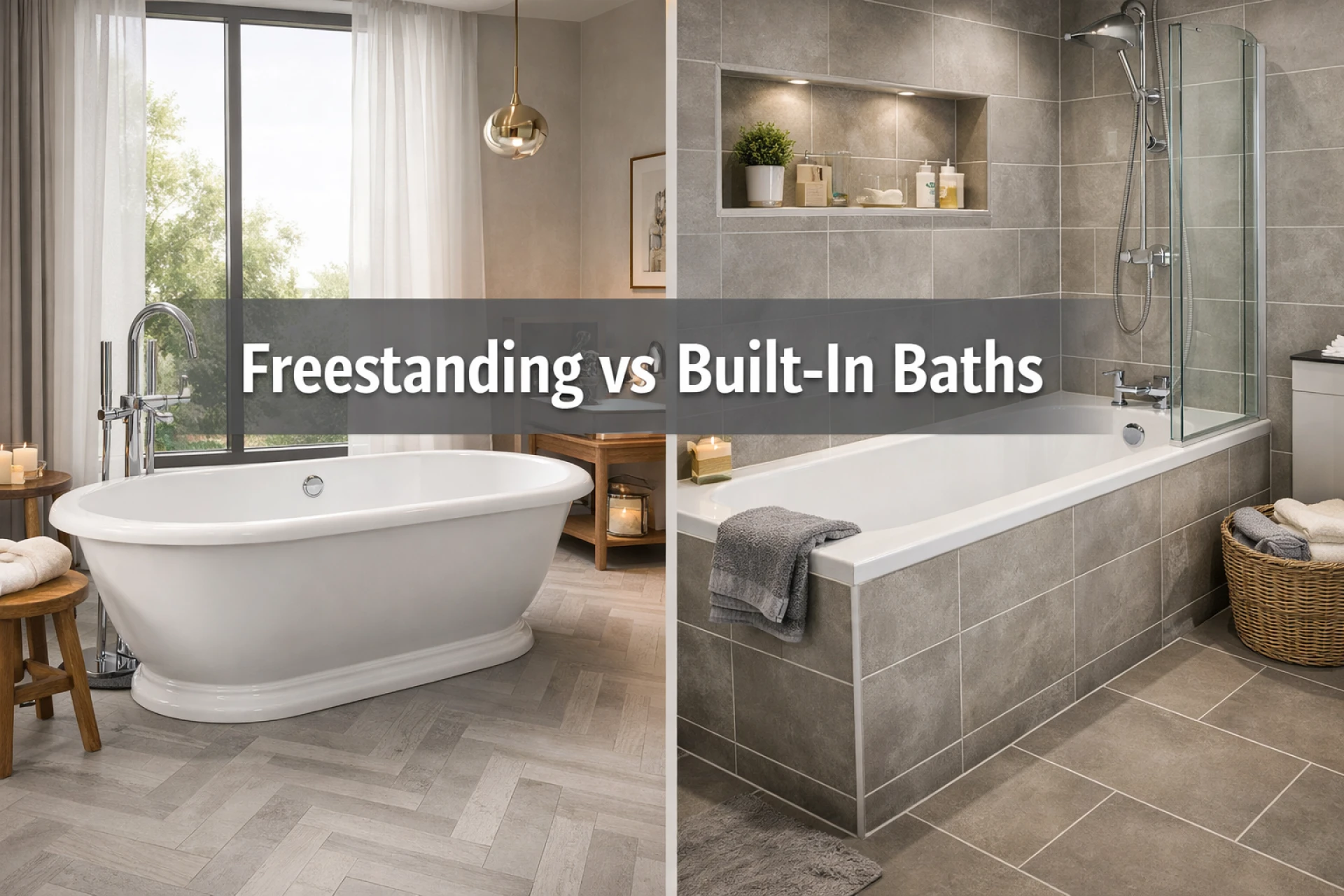
Beyond the sheer physical comfort, the rise of under-floor heating aligns perfectly with the current shift toward minimalist, spa-like home aesthetics. Traditional baseboard heaters and wall radiators are bulky, limiting your layout options and taking up precious square footage in a tight room footprint. Moving your heat source entirely beneath the floor layout unlocks valuable wall space for floating vanities, walk-in curbless showers, or freestanding soaking tubs.
Modern smart home integration has also made managing these systems completely effortless. Instead of leaving the floor running all day long, homeowners can use programmable Wi-Fi thermostats to map out their daily routines. You can program the floor to begin warming up at 6:00 AM, scale back to an energy-saving eco-mode while you are away at work, and warm back up just in time for your evening routine.
When you partner with an expert team like Bamu Design Build, they can seamlessly integrate these technical updates into a clean architectural design that enhances daily functionality. High-quality bathroom renovation services in VA make it simple to combine layout aesthetics with advanced hidden utility.
As you plan the financial scope of your home improvements, gather estimates specifically tailored to bathroom remodeling in VA so you can see how adding a radiant heating system fits into your overall budget.
Frequently Asked Questions
How long do electric heated floors take to warm up?
Most modern electric mat systems take roughly 30 to 60 minutes to reach your desired target temperature. Because they respond relatively quickly, utilizing a programmable smart thermostat is an excellent way to ensure the floor is perfectly warm exactly when you wake up.
Can a heated floor system be repaired if a wire snaps?
Yes. While it is rare for a wire to break once it is safely embedded beneath solid tile, a specialist can locate the exact point of the break using thermal imaging cameras. They can then carefully remove just one or two tiles to repair the underlying wire splice. Reputable bathroom remodel companies in VA always perform diagnostic tests before laying down the final tile to prevent this issue entirely.
Does under-floor heating replace the need for a main heat vent?
In small to medium-sized bathrooms, a properly sized radiant floor system provides more than enough ambient heat to warm the entire room efficiently. In exceptionally large spaces with vaulted ceilings or large exterior windows, professional bathroom renovation services in VA may recommend keeping a secondary heat source for optimal comfort during extreme cold snaps.
Is under-floor heating safe to use inside a walk-in shower?
Yes, certain electric heating cables are explicitly rated and listed for wet area installations. If you are contracting a complete tear-out bathroom remodeling in VA, laying the heating elements directly beneath the shower pan tile floor is a fantastic way to create a seamless, high-end spa experience.





















Sign in to leave a comment.