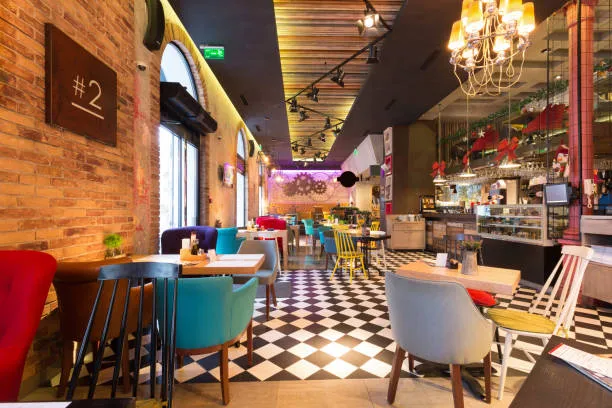

Restaurants and cafés experience a type of daily traffic that is very different from most commercial workplaces. Customers move constantly between entrances, dining areas, counters and restrooms, while employees travel between kitchens, storage areas and service stations throughout the day.

This continuous movement means some parts of a hospitality venue become dirty much faster than others.
A cleaning plan that gives every area the same level of attention can therefore miss the places that need it most. Identifying high-traffic zones and cleaning them according to how they are actually used can help restaurants and cafés maintain a cleaner, safer and more welcoming environment.
What Are High-Traffic Areas?
High-traffic areas are parts of a restaurant or café that experience frequent movement or regular contact throughout the day.
Common examples include:
- Main entrances
- Walkways between tables
- Ordering and payment counters
- Kitchen entrances
- Food preparation areas
- Restrooms
- Staff access points
- Waste disposal areas
- Floors surrounding service counters
- Door handles and other frequently touched surfaces
Because these spaces are used repeatedly, dirt, grease, food particles, fingerprints and other residue can accumulate quickly.
A floor that looks clean at opening time may look completely different after a busy breakfast, lunch or dinner period.
Entrances Create the First Impression
The entrance is one of the first areas customers notice when visiting a restaurant or café.
Outdoor dust, dirt and moisture can easily be carried inside on customers' footwear. During rainy weather, entrances may also become wet and slippery.
Regular attention to entrance floors, glass doors, handles and mats helps prevent dirt from spreading further into the venue.
Clean entrances are not only about presentation. Managing dirt and moisture at the entry point can make it easier to keep surrounding dining areas clean throughout the day.
Dining Areas Need More Than Clean Tables
Tables naturally receive significant attention because they are used directly by customers. However, the surrounding areas can be just as important.

Chairs, booth seating, floors, walls near tables and frequently touched surfaces may collect crumbs, spills and marks during service.
The spaces underneath tables and around chair legs can also become problem areas if cleaning focuses only on visible surfaces.
A structured approach should therefore include both customer-facing surfaces and the less obvious areas where dirt can accumulate.
Floors Face Constant Pressure
Restaurant and café floors deal with repeated foot traffic throughout operating hours.
In dining areas, the main concerns may be crumbs, dust and drink spills. In kitchens and food preparation areas, grease and food residue can create more difficult cleaning challenges.
Different floor surfaces may also require different cleaning methods. Using an unsuitable technique or product can leave residue, damage flooring or fail to remove built-up grime effectively.
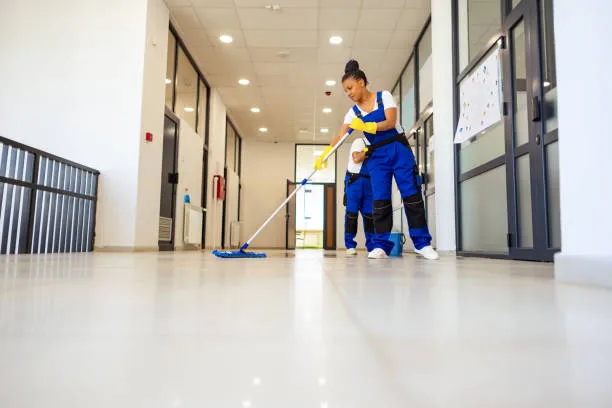
Busy venues may need spot cleaning during operating hours combined with more thorough floor cleaning outside customer service periods.
Particular attention should be given to:
- Entrances
- Paths to restrooms
- Areas surrounding counters
- Kitchen access points
- Food preparation areas
- Spaces underneath tables
- Waste collection areas
These locations often show signs of dirt before less frequently used areas.
Front-of-House and Back-of-House Areas Have Different Needs
One common mistake is treating an entire restaurant as though every area requires the same cleaning process.
Front-of-house spaces focus heavily on presentation and customer comfort. Dining areas, counters, glass surfaces and restrooms need to remain presentable throughout operating hours.
Back-of-house spaces present different challenges. Kitchens may involve grease, food residue, moisture, equipment and hard-to-reach areas that require more intensive attention.
Because these environments operate differently, their cleaning schedules should also differ.
Professional restaurant and cafe cleaning services can be structured around the specific requirements of hospitality venues rather than applying the same general cleaning routine used for ordinary commercial spaces.
Restrooms Can Influence Customer Perception
Customers may never see the kitchen or storage areas, but many will use the restroom.
A poorly maintained restroom can quickly affect their impression of the entire venue.
High-use restaurant restrooms may require repeated checks throughout the day rather than a single clean before opening or after closing.
Important areas include:
- Toilets and urinals
- Basins
- Taps
- Mirrors
- Door handles
- Dispensers
- Floors
- High-touch surfaces
Consumables such as soap, toilet paper and paper towels should also be monitored regularly.
A simple inspection schedule can help staff identify problems before customers do.
High-Touch Surfaces Are Easy to Overlook
Some of the most frequently used surfaces in a restaurant are also among the easiest to miss during routine cleaning.
Examples include door handles, chair backs, counter edges, switches, payment areas and shared staff touchpoints.
Individually, these surfaces may seem minor. Collectively, however, they are touched hundreds of times during a busy day.
Including high-touch surfaces in scheduled cleaning routines helps make the overall cleaning program more comprehensive.
Cleaning Frequency Should Match Activity Levels
Not every task needs to be performed at the same frequency.
A better approach is to organise cleaning according to how quickly an area becomes dirty.
During Service
Immediate attention may be needed for:
- Food and drink spills
- Visible floor debris
- Tables between customers
- Counter surfaces
- Restroom problems
- Entrance hazards
After Each Service Period
Tasks may include:
- More thorough table and seating cleaning
- Sweeping or mopping floors
- Cleaning service stations
- Emptying waste bins
- Checking high-touch surfaces
After Closing
Once customers have left, staff or professional cleaners can access areas that are difficult to clean properly during service.
This may include:
- Detailed floor cleaning
- Areas underneath furniture
- Kitchen surfaces
- Equipment surrounds
- Waste areas
- Restrooms
- Less accessible corners
Periodic Deep Cleaning
Some tasks do not need to happen every day but should still be scheduled.
Depending on the venue, these could include deeper floor care, detailed kitchen cleaning, hard-to-reach surfaces and other areas where residue gradually accumulates.
A Cleaning Checklist Should Reflect the Venue
A small neighbourhood café does not have the same cleaning requirements as a large restaurant serving hundreds of customers every day.
Cleaning plans should consider factors such as:
- Number of customers
- Opening hours
- Type of food preparation
- Floor materials
- Size of the kitchen
- Number of restrooms
- Indoor and outdoor seating
- Waste volume
- Peak trading periods
Reviewing these factors helps determine which areas require frequent attention and which tasks can be scheduled less often.
Consistency Matters More Than Occasional Intensive Cleaning
Deep cleaning is valuable, but it cannot compensate for poor daily maintenance.
Restaurants and cafés generally benefit more from a consistent system where important areas are checked and cleaned at suitable intervals.
Clear responsibilities also matter. Staff should know which cleaning tasks belong to them, when those tasks should be completed and which jobs require specialist cleaning support.
This reduces the chance of important areas being overlooked because everyone assumes someone else has handled them.
Final Thoughts
Restaurants and cafés are demanding environments to keep clean because activity is continuous and different areas face different types of contamination.
Instead of treating every part of the venue equally, businesses can achieve better results by identifying high-traffic and high-touch areas and giving them appropriate attention.
Entrances, dining areas, floors, kitchens, restrooms and frequently touched surfaces should all be considered according to how heavily they are used.
A practical cleaning plan built around the real activity of the venue can help maintain a more presentable environment for customers while making day-to-day cleaning more organised and manageable.





















Sign in to leave a comment.