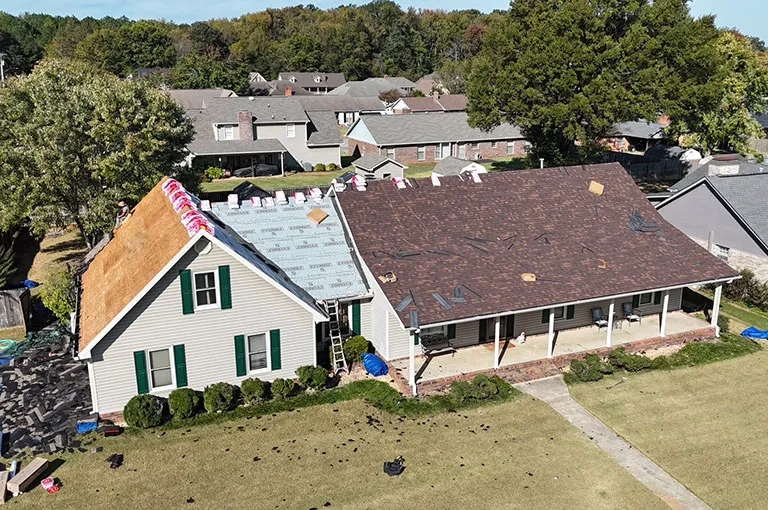

Why Hiring a Local Roofing Company Matters for Long-Term Protection
Most people don’t think about their roof until water drips on the kitchen counter. Then it’s panic. You grab a bucket, you google “roofing company near me” with one hand, and you take whoever answers first. I get it. But the choice you make in that moment can follow you for twenty years, good or bad.
A local roofing company has a different kind of pressure on it. They live here. Their kids go to school with your kids, maybe. If they botch your job, word gets around fast, and in a small market that can sink a business. So they tend to do the work right, and then some. Not because they’re saints. Because they can’t hide.
Out-of-town outfits don’t carry that weight. They finish, they leave, and the next job is a hundred miles away. If your roof starts leaking in the second winter, good luck getting a call back.
At Apollo Roofing & Gutters LLC, we think about this stuff constantly. Our customers are the people at the gas station and the Saturday soccer games. We’d rather earn the repeat call than chase the one-time sale, and honestly, it’s the only way a roofing business lasts.

Storm Chasers, and How Not to Get Burned
After a big hailstorm, they show up. Trucks with out-of-state plates, guys in matching shirts, clipboards, a lot of friendly smiling. They’ll tell you your roof is “definitely damaged” before they’ve even climbed up. Sometimes they’re right. Sometimes they’re not even close, and they’re hoping you won’t check.
Not all of them are crooks, let me say that. Some are decent crews following the work. But the pattern is common enough that I’ve lost count of how many homeowners I’ve met who paid a deposit and watched the crew vanish. Or the job got done so badly it needed ripping off a year later, which costs double.
What usually separates a real local roofing contractor from a storm chaser is simple stuff. Physical office. A phone number that’s been the same for years. People in your town who’ll say “yeah, they did my neighbor’s roof.” You can’t fake that kind of history over a long weekend.
So before you sign, ask yourself something. If this roof fails in two years, do I know where to find these people? If you hesitate even a second, that’s your answer. Walk away, even if the price looked good. Especially then.
Local Weather Knowledge Is Not Optional
Every region beats up roofs in its own way. Here we get brutal summer sun, wind that shows up out of nowhere, heavy storms, and big swings in temperature that make roofing materials expand and contract over and over, year after year. That does damage slowly. You don’t see it happening until one day a shingle’s curled like a potato chip.
A roofing company that works in your area every single week knows which products handle that and which ones give up early. They’ve watched certain shingles age on actual rooftops, not in a lab, not in a brochure. That’s different knowledge. It’s the kind you only get from being around.
Same goes for ventilation. Attic airflow is a big deal, and plenty of homes in older neighborhoods were built with weak setups. A local crew notices that. A crew following a generic playbook doesn’t, and a hot, damp attic will shorten the life of even a great roof.
Then there’s the code side of things. Permits, inspections, local requirements. Skip them and you might get hit with problems when you sell the house. Buyers’ inspectors look for that. Local roofers already know the rules, so they handle it without making it your headache.
Installation Is Where the Money Actually Goes
People obsess over shingle brand and color. Fair enough, color matters, you’ll stare at it for years. But the shingle isn’t what keeps water out. The installation is. I’d put it at maybe seventy percent of the whole story, and I’m not exaggerating much.
Think about what has to go right. Nails in the correct spots, not too high, not driven too hard. Underlayment laid flat. Flashing around chimneys, vents and valleys tucked in properly, and sealed. One missed detail and water will find it. It always does. Water is patient.
A solid residential roofing company treats this like skilled work. Crews get trained, somebody supervises, and there’s a final walk-through when the job’s done, not just a wave from the driveway. The guys who care don’t rush the last two hours of the day just to beat traffic.
When customers ask why their neighbor’s roof lasted twenty-five years and theirs gave out at twelve, it’s almost never the material. Usually it comes down to who put it on and how much they cared. So pay for the skill. You can’t see it from the street, but you’ll feel it later, in the quiet of a dry attic after a storm.
When the Roof Leaks at 7 in the Morning
Picture this. Big storm overnight, you wake up, there’s a wet spot spreading across the bedroom ceiling. You call a roofing contractor. What happens next depends on where they’re based.
A nearby crew can often get someone out quickly. Tarp the damage, stop the water, figure out the real fix after. If the company is two states over, or booked out on a storm-damage rush, you might wait weeks. Weeks with a blue tarp or, worse, a bucket.
And waiting costs money. Water doesn’t sit politely. It soaks the insulation, stains the drywall, and then mold starts, which is a whole other mess. I’ve been in attics where a small, cheap fix got ignored for a year and turned into a ten-thousand-dollar repair. Hurts to see, every time.
Speed also comes down to priorities. A local roofing company wants you happy because you’ll tell your friends, and you might call them again next spring. Their whole business runs on referrals and trust. So when you phone in a leak, you’re not a random lead in a spreadsheet. You’re somebody they might bump into at the hardware store on Saturday.
Gutters Get Ignored Until They Don’t
People treat gutters like an afterthought. Roof gets all the attention, gutters just hang there collecting leaves. But the two are connected, and when one fails the other pays for it. A clogged or sagging gutter can push water back up under the edge of the shingles, soaking the roof deck and the fascia board without you noticing for months.
Then there’s what happens downstream. Where does the water go once it leaves your roof? If the downspouts dump it right next to the foundation, you’ve basically moved the problem from the attic to the basement. That’s not a win.
This is partly why Apollo Roofing & Gutters LLC looks at the whole system during an inspection. Roof, gutters, downspouts, soffit, vents, flashing. We’d rather catch the small stuff that connects everything than sell somebody a new roof that’s going to get wrecked by bad drainage in three years.
There’s a practical upside, too. When one company handles both, nobody’s pointing fingers. You’ve probably heard it before: the roofer blames the gutter guy, the gutter guy blames the roofer, and you’re standing in the yard paying for both. One team, one phone call, one answer. Simple, and it saves a lot of annoyance.
Checking Out a Roofing Contractor Before You Sign
You don’t need to be an expert to vet a roofing company. You just need to ask a few uncomfortable questions and pay attention to how they respond. Licensing, insurance, a written estimate. Ask for all of it. If a contractor gets weird or defensive about showing proof of insurance, that’s a hard no. If a worker falls off your roof and there’s no coverage, guess who might end up liable. Yep.
Pay attention to the way they talk, too. Do they explain things in plain words, or hide behind jargon? A good one will show you photos from up there, point out what’s actually wrong, and lay out options without leaning on you. And sometimes they’ll tell you that you don’t need a full replacement yet, which is a rare thing to hear in this industry. Hang onto anyone who says that.
Reviews help, but don’t just read the five-star ones. The three- and four-star reviews usually tell you the real story, like how a company handles a hiccup. Ask for local references, as well. A genuine local roofing company will hand over a few names without blinking. If they dodge, you know.
The Cheap Quote Problem
I’ll be blunt about this one. The lowest bid is rarely the best deal. Sometimes it’s fine, sure, but more often something’s been trimmed out of it. Thinner materials, skipped underlayment, a warranty that means nothing, or labor that’s underpaid and barely supervised. You end up paying for the roof twice. Once for the bad job, and again for the do-over.
Try thinking about it from a different angle. Your roof protects everything inside the house. The furniture, the electronics, the family photos, the framing itself. Saving a thousand bucks up front doesn’t look so clever when water damage runs you eight grand down the road.
Now, the flip side. Expensive doesn’t automatically mean good, either. I’ve seen inflated quotes that were really just padded. So compare estimates line by line. What materials are listed? What’s the cleanup plan? How long is the warranty and what does it cover? When two roofing companies are priced very differently for what looks like the same job, ask why. A fair price from a reputable local contractor usually lands somewhere in the middle, and that’s where you want to be.
Warranties Are Only as Good as the Company Behind Them
A warranty is a piece of paper. That’s all it is, until you actually need it. And then it’s only worth something if the company that wrote it is still around, still answering the phone, still willing to send a truck.
This is where going local pays off in a big way. A roofing company rooted in your community has real reasons to honor a workmanship warranty. They can’t skip town. Their name is on trucks, on yard signs, on a dozen roofs on your street. Walking away from a promise would cost them far more than fixing the problem.
Maintenance deserves a mention here, because most people ignore it completely. They forget the roof exists until it leaks. Bad habit. A yearly look, plus a check after any major storm, will catch loose flashing, cracked sealant, lifted shingles, all the small things that become big things if you leave them alone. Local contractors can do this easily since they’re nearby anyway.
We tell customers at Apollo Roofing & Gutters LLC to treat the roof like a car. Regular check-ups, fix the little stuff early, and it’ll serve you for decades. Ignore it for years and, well, you know how that goes.
Wrapping This Up
So here’s where I land. Who you hire matters about as much as what goes on top of your house. A good local roofing company brings real knowledge of your climate, quicker response when something breaks, accountability you can actually point to, and support that continues long after the last invoice is paid. That’s what long-term protection looks like in practice. Not some fancy product name, just people who stick around.
Don’t rush the decision, even if the pressure’s on. Get two or three estimates. Ask the awkward questions. Check licenses and insurance, and trust your gut when something feels off. If a salesperson is pushy, they probably have a reason to be.
And when you’re ready for an honest inspection, or just a straight answer about whether your roof has another five years in it, Apollo Roofing & Gutters LLC is here. No gimmicks, no pressure. Just solid work from people who live in the same community you do and plan to stay put.























Sign in to leave a comment.