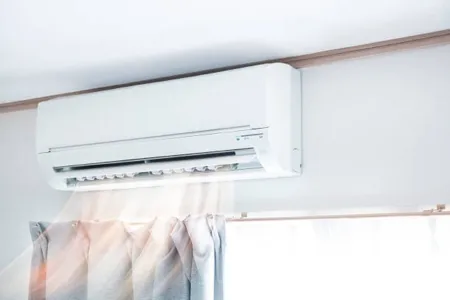

When homeowners research the cost of HVAC installation Santa Fe, they may find very different estimates for similar projects. That does not necessarily mean one contractor is overcharging. HVAC costs reflect more than equipment. System capacity, efficiency, load requirements, ductwork, electrical work, installation complexity, and commissioning can all affect the final price.
Equipment Selection Is Only the Starting Point
Equipment type and capacity influence cost, but the new system should not simply match the old unit's size. Professional selection should reflect the home's actual heating and cooling loads.
Building size, insulation, windows, orientation, air leakage, occupancy, and local design conditions all affect those loads. Proper sizing helps prevent oversized equipment from cycling too often or undersized equipment from struggling during peak conditions.
Efficiency also affects upfront cost. Higher-efficiency equipment may require compatible controls or installation practices. The best choice balances capacity, efficiency, comfort, and long-term operating costs.
Existing Infrastructure Can Change the Price
HVAC replacement is not always an equipment-for-equipment swap. Existing infrastructure must support the new system.
Key factors include:
- Duct sizing, leakage, insulation, and restrictions
- Airflow and external static pressure
- Electrical service and connections
- Refrigerant lines where applicable
- Condensate drainage
- Thermostat and control compatibility
- Equipment clearances and placement
Airflow deserves particular attention. Excessive duct resistance or inadequate return air can restrict airflow and affect comfort and system performance.
This is why two homes with similar equipment can have very different installation costs.
Labor and Installation Complexity Matter
A straightforward replacement with accessible equipment may require less labor than a project involving difficult access, duct modifications, electrical upgrades, new controls, or equipment relocation.
For homeowners comparing the cost of HVAC installation Santa Fe, the quoted price may include much more than the equipment. Installation can involve refrigerant connections, electrical verification, condensate management, control configuration, equipment removal, and manufacturer-specific requirements.
For homeowners comparing the cost of HVAC installation Los Alamos, the better question is what the complete project includes, not simply what the equipment costs.
Efficiency Is More Than a Rating
Higher-efficiency equipment can cost more upfront, but energy use should also be considered over the system's service life.
Efficiency ratings alone do not determine real-world performance. Proper sizing, airflow, duct conditions, controls, installation quality, maintenance, and operating conditions all influence actual efficiency.
A properly matched and installed system may provide better value than choosing the highest efficiency rating without considering the rest of the installation.
Commissioning Protects System Performance
Installation should not end when the equipment starts. Startup and commissioning help confirm that the system operates according to manufacturer requirements.
Depending on the equipment, technicians may verify airflow, temperature performance, electrical readings, controls, refrigerant-related conditions, drainage, and safety functions.
These checks can catch installation problems before they become recurring comfort or reliability issues.
What to Compare in HVAC Quotes
Different quotes often reflect different project scopes. One contractor may include duct modifications, electrical work, controls, removal, startup, commissioning, and warranty coverage, while another may exclude some of these items.
Before comparing prices, check:
- Equipment: Model, capacity, and efficiency
- Sizing: Load calculation and equipment selection
- Installation: Labor, materials, and removal
- Modifications: Ductwork and electrical work
- Controls: Thermostats and accessories
- Commissioning: Startup and performance checks
- Coverage: Warranty and service terms
A detailed scope makes it easier to understand what each estimate actually covers.
The Lowest Quote Is Not Always the Lowest Cost
A low installation price can become expensive when necessary work is omitted, equipment is improperly sized, or installation deficiencies cause comfort and reliability problems.
The highest quote is not automatically the best either. A stronger proposal should clearly explain the equipment, installation scope, necessary modifications, and commissioning process.
Homeowners should compare the complete value of the installation, including system design, workmanship, operating performance, and expected long-term service needs.




















Sign in to leave a comment.