
In the weeks following India’s 2026–27 Union Budget, the implications are becoming clearer. Beyond fiscal measures, it signals how India intends to position itself in the global technology economy. This matters for Australia.
For years, Australia–India trade has been framed in terms of untapped potential. This Budget suggests the next phase will be about positioning. It will be about participating in creating high-value technology and digital services, not merely selling into markets or consuming them, but co-creating them for global use.

India’s 2026–27 Union Budget marks a strategic shift in how it positions itself in the global economy. Rather than focusing solely on domestic growth, the Budget leans decisively into export-oriented digital infrastructure, deep tech capability and AI-led productivity. These shifts have direct implications for trade and commercial collaboration with Australia.
For Australia–India trade, this is where future value will be created.
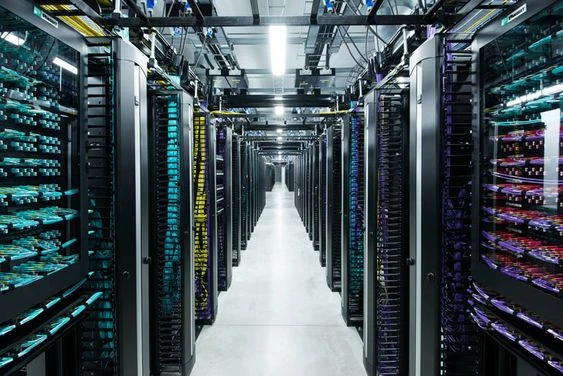
One of the clearest signals is India’s intent to become a global base for digital services exports. As the country transitions toward digital and knowledge trade, long-term incentives for foreign firms using Indian data centres invite companies to anchor cloud, AI and data workloads in India while serving global markets.
In some cases, these incentives extend through 2047. This is not a marginal adjustment. It is an invitation to anchor multi-decade cloud and AI infrastructure in India.
For Australia, this opens a new chapter in bilateral engagement. Australian SaaS, fintech, climate-tech and AI firms can scale global delivery capability from India instead of treating it purely as an offshore support base. Indian digital infrastructure can become part of Australian firms’ export architecture across the Indo-Pacific and Middle East. Trade shifts from selling into India to co-creating for global markets.
The real risk for Australia is exclusion from the highest-value layers of growth.
Expanding services exports and high-value technology trade beyond commodities will require embedding within India’s evolving production ecosystem. The shift underway demands strategic alignment, not passive participation. Read more…




















Sign in to leave a comment.