

Pigmentation is one of the most common skin concerns among Indian skin types. From stubborn melasma and acne marks to sun spots and uneven skin tone, pigmentation can develop for several different reasons. While laser pigmentation treatment can be an effective option for selected cases, treating pigmentation in Indian skin requires a more careful and personalised approach.
Indian skin typically falls within Fitzpatrick skin types III to V, which means it contains more melanin than lighter skin types. This can make the skin more prone to post-inflammatory hyperpigmentation (PIH), particularly after irritation, acne, burns, or aggressive cosmetic procedures.
This is why choosing an experienced skin clinic in Noida and getting evaluated by a qualified dermatologist in Noida is important before undergoing any laser procedure.
Why Is Pigmentation More Challenging in Indian Skin?
Indian skin naturally contains higher levels of melanin, which provides some protection against ultraviolet radiation but can also make pigmentation more persistent.
Common factors contributing to pigmentation include:
- Sun exposure and UV radiation
- Visible light exposure
- Hormonal changes
- Melasma
- Acne and acne-related inflammation
- Post-inflammatory hyperpigmentation
- Heat and environmental exposure
- Certain medications
- Skin irritation or unsuitable skincare products
Because several of these factors can overlap, simply targeting visible pigmentation with a laser may not always be enough.
Why Laser Pigmentation Treatment Requires a Different Approach
Laser treatments work by targeting pigment within the skin. However, the goal isn't simply to remove as much pigment as possible.
In Indian skin, excessive heat or overly aggressive laser settings may sometimes trigger inflammation, which can lead to post-inflammatory hyperpigmentation.
Therefore, an effective treatment plan should focus on:
1. Correct Diagnosis Before Treatment
Not every dark spot is the same.
Pigmentation may include:
- Melasma
- Freckles
- Solar lentigines
- Post-acne marks
- Post-inflammatory pigmentation
- Uneven skin tone
- Certain medication-related pigmentation
A dermatologist should first identify the type and depth of pigmentation before deciding whether laser treatment is appropriate.
2. Personalised Laser Settings
Laser treatment shouldn't follow a one-size-fits-all approach.
Factors such as:
- Skin type
- Pigmentation depth
- Location of pigmentation
- Skin sensitivity
- Previous treatments
- History of pigmentation after procedures
can influence the treatment parameters.
For Indian skin, a conservative and customised approach can help minimise unnecessary irritation.
3. Sometimes Less Is More
Higher intensity doesn't automatically mean better results.
With pigmentation-prone skin, aggressive treatment may increase inflammation and potentially worsen pigmentation.
A dermatologist may instead recommend multiple controlled sessions depending on the condition and response of the skin.
Which Types of Pigmentation Can Be Treated With Lasers?
Laser treatment may be considered for certain types of pigmentation, including:
Acne Marks
Post-acne pigmentation can remain even after active acne has disappeared. Depending on the type and depth of marks, a dermatologist may recommend topical treatment, peels, laser procedures, or a combination approach.
Sun Spots
Sun-induced spots such as solar lentigines may respond well to selected laser or light-based treatments.
Freckles
Freckles can sometimes be treated using pigment-targeting laser or light-based technologies, although maintenance and sun protection remain important.
Melasma
Melasma requires particular caution.
Unlike some superficial pigmentation, melasma can be influenced by hormones, UV exposure, visible light, heat, and inflammation. Laser may be considered in selected cases, but it is generally not a standalone solution.
A dermatologist may combine medical skincare, sun protection, chemical peels, and carefully selected laser treatments.
Laser Pigmentation Treatment vs Chemical Peels
Both laser treatments and chemical peels can be useful for pigmentation, but they work differently.
| Laser Treatment | Chemical Peel |
| Uses controlled energy to target pigment | Uses a chemical solution to exfoliate the skin |
| Can target specific pigmentation concerns | Can improve pigmentation and overall skin texture |
| Requires carefully selected settings | Peel strength must be customised |
| May require multiple sessions | Usually performed as a series |
| Suitable for selected pigmentation conditions | Useful for several superficial pigmentation concerns |
Your dermatologist can determine which option—or combination—is more appropriate for your skin.
The Importance of Sun Protection After Treatment
Sun protection is one of the most important parts of any pigmentation treatment plan.
UV exposure can stimulate melanin production and make pigmentation more difficult to control. Visible light may also contribute to certain pigmentation conditions, particularly melasma.
After a procedure, your dermatologist may recommend:
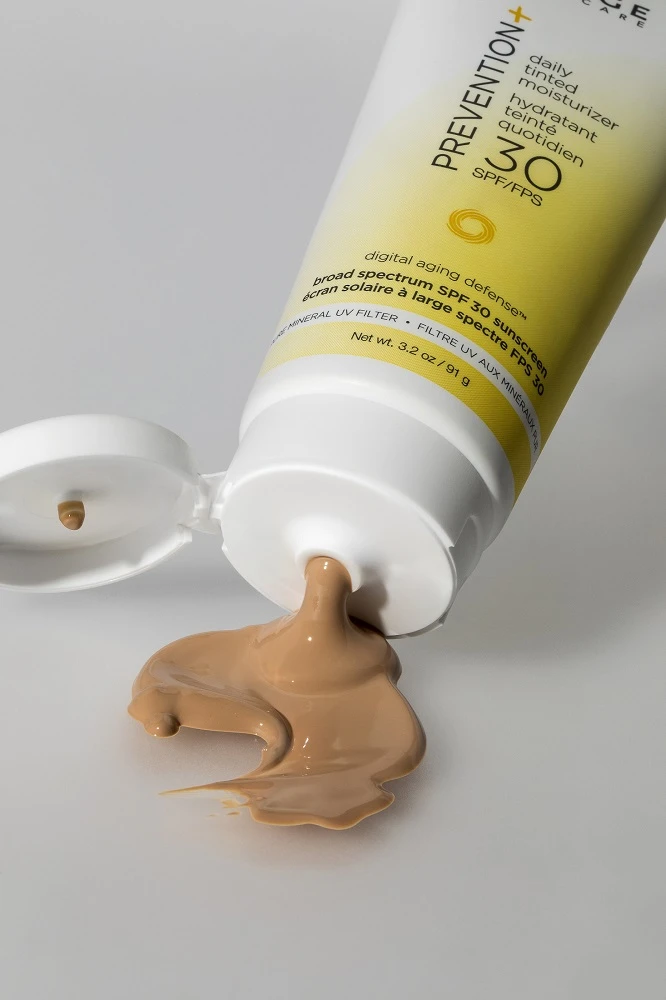
- Broad-spectrum sunscreen
- Regular sunscreen reapplication
- Physical sun protection such as hats
- Avoiding prolonged direct sun exposure
- Gentle skincare
- Avoiding unnecessary exfoliation
For pigmentation-prone Indian skin, consistent sun protection is just as important as the procedure itself.
What Happens During a Laser Pigmentation Consultation?
At a professional skin clinic in Noida, the consultation should begin with an assessment rather than immediately recommending a laser.
A dermatologist may evaluate:
- Type of pigmentation
- Skin type
- Pigmentation depth
- Current skincare routine
- Previous procedures
- History of sensitivity or pigmentation
- Sun exposure
- Existing skin conditions
Based on the assessment, the dermatologist can decide whether laser treatment is suitable.
Can Laser Treatment Completely Remove Pigmentation?
Not necessarily.
The outcome depends on the underlying cause, pigmentation depth, skin type, lifestyle, hormonal factors, and adherence to the treatment plan.
Pigmentation can also return, particularly when triggers such as sun exposure, hormonal changes, or inflammation continue.
Therefore, the goal should be long-term pigmentation management and healthier-looking skin, rather than expecting a permanent one-time removal.
Why Choose a Dermatologist for Pigmentation Treatment?
Pigmentation treatments require more than selecting a laser machine.
A qualified dermatologist in Noida can:
- Diagnose the underlying cause
- Select an appropriate treatment
- Assess whether laser is suitable
- Customise treatment parameters
- Monitor your skin's response
- Recommend supporting skincare
- Help reduce the risk of post-treatment pigmentation
This is particularly important for Indian skin, where inappropriate treatment intensity can sometimes lead to unwanted pigmentation.
Pigmentation Treatment at Skinfinity Derma
At Skinfinity Derma, pigmentation concerns are approached with a focus on individual skin type, pigmentation pattern, underlying causes, and long-term skin health.
Instead of using the same treatment for everyone, the treatment plan can be customised based on the individual's skin condition and response.
If you're considering pigmentation treatment in Noida, a dermatologist-led consultation can help determine whether laser pigmentation treatment, chemical peels, medical skincare, or a combination approach is suitable for you.
How to Maintain Results After Pigmentation Treatment
Maintaining the results requires consistency.
Follow a Dermatologist-Recommended Skincare Routine
Use products recommended according to your skin type and pigmentation concern.
Never Skip Sunscreen
Apply sunscreen every morning and reapply when required, particularly during prolonged outdoor exposure.
Avoid Over-Exfoliation
Scrubbing or using too many active ingredients can irritate the skin and potentially worsen pigmentation.
Treat Acne and Inflammation Early
Persistent acne and inflammation can contribute to new pigmentation.
Follow Your Treatment Schedule
If multiple sessions are recommended, completing the planned course can provide more consistent results than randomly scheduling procedures.
Frequently Asked Questions
Is laser pigmentation treatment safe for Indian skin?
Laser treatment can be performed safely in Indian skin when the correct technology, parameters, and treatment protocol are selected. A dermatologist should assess the skin before treatment.
Does laser treatment make pigmentation worse?
It can happen in some cases, particularly when the skin is exposed to excessive heat or inflammation. This is why personalised settings and proper aftercare are important for pigmentation-prone skin.
How many laser sessions are needed for pigmentation?
The number varies depending on the type and severity of pigmentation, skin type, and treatment response. Some people may require multiple sessions.
Is laser treatment suitable for melasma?
Laser may be considered for selected cases of melasma, but melasma usually requires a comprehensive management plan rather than relying on laser alone.
Can I undergo laser treatment if I have acne?
It depends on the type and severity of acne. Active inflammation may need to be controlled first, depending on the treatment being considered.
What should I avoid after laser pigmentation treatment?
Your dermatologist may advise avoiding excessive sun exposure, harsh exfoliation, irritating skincare products, and unnecessary heat exposure during the recovery period.
Can pigmentation come back after laser treatment?
Yes. Pigmentation can recur because factors such as UV exposure, hormones, inflammation, and certain skin conditions can continue to stimulate melanin production.
How do I find the right dermatologist in Noida for pigmentation?
Look for a qualified dermatologist who evaluates the cause and type of pigmentation before recommending treatment and who has experience treating pigmentation in Indian skin types.
Final Takeaway
Indian skin can respond differently to pigmentation treatments because of its naturally higher melanin content. Therefore, laser pigmentation treatment should be personalised rather than approached as a one-size-fits-all procedure.
The right diagnosis, carefully selected treatment parameters, appropriate skincare, and consistent sun protection can all play an important role in managing pigmentation.
If you're looking for pigmentation treatment in Noida, consult a qualified dermatologist at a trusted skin clinic in Noida, such as Skinfinity Derma, for an individual assessment and treatment plan.
























Sign in to leave a comment.