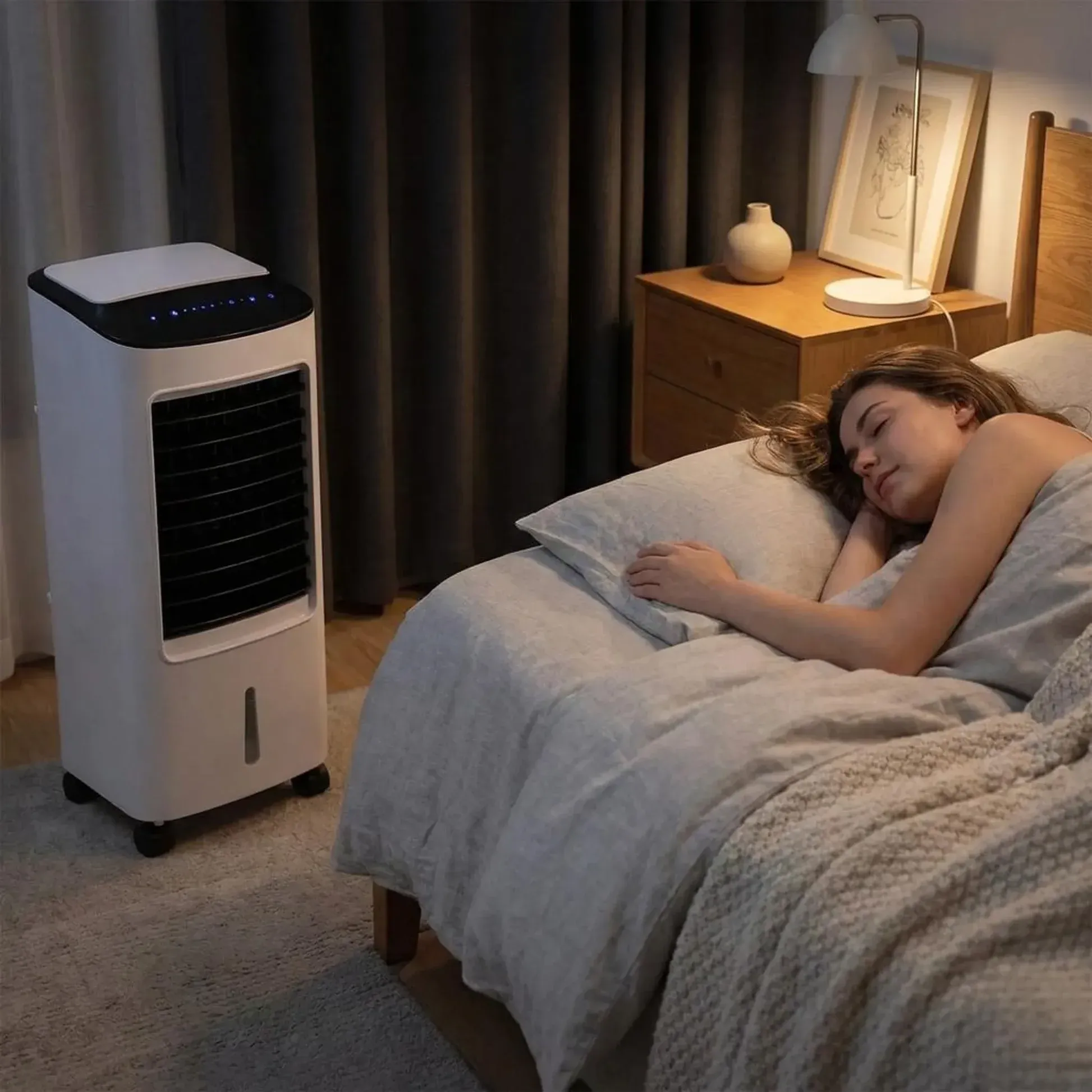

Most homeowners think about their HVAC system purely in terms of temperature — is the house warm enough in winter, cool enough in summer. But temperature is only part of the comfort equation. Indoor air quality affects everything from allergy symptoms to how fresh a home actually feels, and it's often overlooked until something — persistent dust, stuffy rooms, or noticeable allergy flare-ups — makes it impossible to ignore.
This guide covers what actually influences indoor air quality, the main categories of solutions available, common mistakes homeowners make, and practical questions worth asking before investing in an upgrade.
Why Indoor Air Quality Deserves Attention
Homes today are generally built and sealed more tightly than older construction, which improves energy efficiency but also means indoor air doesn't exchange with outdoor air as freely. Dust, allergens, humidity, and airborne particles can accumulate more easily as a result. Combined with pets, cooking, and everyday household activity, indoor air quality can end up noticeably worse than most homeowners assume.
Poor indoor air quality isn't just an allergy issue. It can affect general comfort, contribute to musty odors, and in homes with humidity problems, even create conditions that support mold growth. Addressing it usually requires more than a single fix — filtration, humidity control, and ventilation typically all play a role.
Key Categories of Indoor Air Quality Solutions
Filtration. Options range from standard filters to higher-rated MERV filtration systems designed to capture smaller particles, including dust, pollen, and some airborne allergens.
Air purification. Dedicated air purifiers work alongside a home's existing HVAC system to actively reduce airborne particles, which can make a noticeable difference for households dealing with allergies.
Humidity control. Excess humidity can make a home feel uncomfortable regardless of temperature, and in more severe cases, can contribute to mold or mildew issues. Dedicated humidity control addresses this directly.
Ventilation. Improving how fresh air moves through a home helps prevent the buildup of stale air, odors, and airborne particles that recirculate repeatedly through a sealed HVAC system.
Duct sealing. Leaky ductwork doesn't just waste energy — it can also pull in dust and unconditioned air from attics, crawl spaces, or wall cavities, which affects overall air quality throughout the home.
Common Mistakes Homeowners Make
One common mistake is assuming a single solution, like a basic filter upgrade, will resolve all air quality concerns. In reality, dust, humidity, and stale air are often separate issues that may require different fixes working together.
Another mistake is ignoring ductwork condition entirely. Even a high-quality filtration or purification system won't fully solve air quality problems if the ducts themselves are leaking and pulling in unconditioned, dusty air from outside the living space.
Some homeowners also wait until symptoms — persistent dust, allergy flare-ups, musty smells — become severe before addressing indoor air quality, rather than treating it as routine home maintenance similar to changing a filter regularly.
Practical Tips: What to Check Before Investing in Indoor Air Quality Upgrades
- Identify the specific issue you're trying to solve — dust, allergies, humidity, or general staleness — since different problems call for different solutions.
- Ask for a home evaluation before choosing a specific product, since the right fix depends on existing HVAC equipment and the home's actual conditions.
- Have ductwork inspected for leaks, particularly if dust or unconditioned air seems to be an ongoing issue.
- Consider humidity levels separately from filtration, since they're related but distinct problems.
- Ask how any new equipment integrates with your existing HVAC system rather than assuming universal compatibility.
- Get a written, itemized quote before work begins, so you understand exactly what's being installed and why.
- Ask what warranty coverage applies to indoor air quality equipment and installation.
Who This Is For
This guide is most useful for homeowners dealing with persistent dust, allergy symptoms that seem worse indoors than outdoors, musty odors, or a general sense that the air in their home feels stale despite a functioning HVAC system. It's also relevant for anyone renovating or sealing up a home for energy efficiency, since tighter construction can make indoor air quality issues more noticeable over time.
If your primary concern is simply temperature control rather than air quality specifically, that's a separate conversation better addressed through your core heating and cooling system.
Final Thoughts
Indoor air quality is easy to overlook because it doesn't show up on a thermostat the way temperature does — but it has a real, everyday impact on comfort and health. Addressing filtration, humidity, ventilation, and duct condition together, rather than treating them as separate afterthoughts, tends to produce the most noticeable improvement in how a home actually feels day to day.
























Sign in to leave a comment.