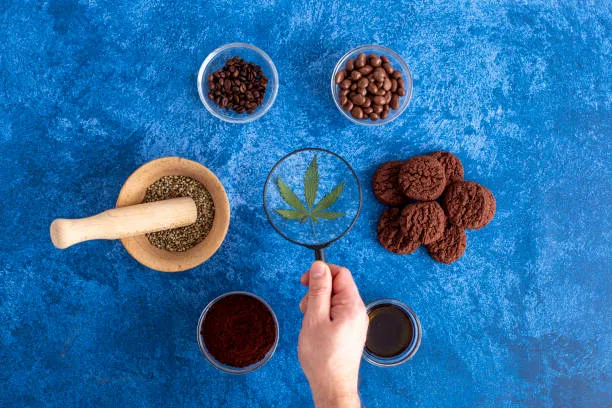

The growing interest in cannabidiol (CBD) has led to a wider range of edible products entering the wellness market. Consumers can now encounter CBD in different formulations, including gummies, beverages, capsules, and other ingestible products. With this expanding selection, understanding ingredient quality has become an important part of making informed decisions. The ingredients used in an edible can influence its formulation, consistency, labeling, and overall product characteristics.
Ingredient quality refers to more than simply choosing ingredients that sound natural or appealing. It involves sourcing, purity, consistency, storage, manufacturing, testing, and accurate labeling. A CBD edible may contain several ingredients besides CBD, such as carrier substances, flavorings, sweeteners, botanical extracts, or other components. Consumers who understand these factors can evaluate products more carefully instead of relying only on advertising claims.
For consumers researching CBD ingestibles in Pinellas Park, understanding ingredient quality is especially important. Products can differ significantly in their formulations, sourcing practices, laboratory testing, and labeling. The presence of CBD or another hemp-derived ingredient does not automatically establish that a product is suitable for everyone. Reviewing ingredient information and understanding how products are manufactured can provide useful context when evaluating different options.
What Makes an Ingredient High Quality?
High-quality ingredients generally have identifiable sources, appropriate specifications, and quality-control procedures behind them. In CBD manufacturing, companies may establish standards for receiving, storing, testing, and handling raw materials before they are incorporated into finished products.
Ingredient quality can involve several factors, including purity, consistency, stability, and traceability. These characteristics can help manufacturers produce products that meet their intended specifications from batch to batch.
Purity and Consistency
Purity refers to the presence of the intended ingredient without unwanted substances or impurities. Consistency means that an ingredient performs similarly across different production batches.
Both factors can be important when manufacturing edible products because variations in raw materials can affect the characteristics of the finished formulation.
Why Ingredient Sourcing Matters
The quality of a finished CBD edible begins with its raw materials. Manufacturers may source CBD extracts, hemp-derived ingredients, flavorings, oils, sweeteners, and other components from different suppliers.
Responsible sourcing involves evaluating suppliers and maintaining documentation about incoming ingredients.
Traceability From Supplier to Finished Product
Traceability allows manufacturers to track ingredients through different stages of production. A strong traceability system can connect raw materials with specific manufacturing batches and finished products.
This information can be valuable if a quality issue needs to be investigated. It also provides manufacturers with a structured way to monitor their supply chain.
Understanding CBD as an Ingredient
CBD is one component of many CBD edibles. The source and characteristics of the CBD extract can vary depending on the manufacturer and formulation.
Consumers should look for clear information about the type of hemp-derived ingredient used and how its content is represented on the product label.
CBD Content and Product Labels
A product label should communicate relevant information clearly and accurately. Consumers may encounter labels describing total CBD content, serving information, ingredient lists, and batch identification.
Because terminology can vary between products, consumers should read the entire label rather than focusing on one prominent claim on the package.
The Importance of Additional Ingredients
CBD edibles often contain several ingredients besides CBD. These may include oils, natural or artificial flavors, sweeteners, stabilizers, coloring ingredients, or botanical components.
Each ingredient contributes to the final formulation and should be evaluated as part of the complete product.
Reading the Complete Ingredient List
Consumers should make a habit of reviewing the full ingredient list. This can help them identify ingredients they may need to avoid because of allergies, sensitivities, dietary preferences, or other personal considerations.
A product described as “natural” may still contain multiple ingredients, so the complete list provides more useful information than a marketing phrase alone.
Natural Ingredients and Quality
Natural ingredients are increasingly popular among consumers. However, natural origin should not automatically be interpreted as a guarantee of purity, safety, or effectiveness.
Plant-derived ingredients can still vary in quality depending on cultivation, harvesting, processing, storage, and manufacturing conditions.
Natural Does Not Always Mean Better
The most appropriate ingredient depends on the purpose of the formulation and the quality controls surrounding it.
Consumers should therefore focus on specific information about ingredients and manufacturing rather than assuming that a product is superior simply because its label uses terms such as “natural” or “plant-based.”
Laboratory Testing and Ingredient Quality
Laboratory testing is an important part of quality control for many CBD products. Testing can provide information about cannabinoid concentrations and, depending on the testing program, certain contaminants or impurities.
Independent laboratory testing can provide additional information separate from the manufacturer's own claims.
Understanding Certificates of Analysis
A Certificate of Analysis, commonly called a COA, is a laboratory document that reports analytical results for a tested sample.
When available, consumers can examine whether a COA clearly identifies the product or batch that was tested. They can also compare relevant information from the report with the product's labeling.
A COA does not establish that a product is medically effective or appropriate for every individual. It is primarily a source of analytical information about the tested sample.
Testing for Contaminants
Ingredient quality also involves monitoring for unwanted substances. Depending on the product and testing program, manufacturers may test materials or finished products for contaminants such as heavy metals, pesticides, microbial contamination, or residual solvents.
Why Contaminant Testing Matters
Testing can help manufacturers identify problems with raw materials or production processes. Strong quality-control programs may use testing at different points in the manufacturing process rather than relying on a single final check.
Consumers should look for clear information about what testing was conducted rather than assuming that every product has undergone identical laboratory analysis.
Manufacturing Practices and Quality
Even high-quality raw ingredients need to be handled appropriately during manufacturing. Production facilities should have procedures for sanitation, equipment maintenance, ingredient handling, storage, and documentation.
Manufacturing controls can help reduce the risk of contamination and inconsistency.
Good Manufacturing Practices
Good Manufacturing Practices, often called GMP, provide frameworks for maintaining consistent production and quality procedures.
GMP-related systems may involve employee training, facility cleanliness, equipment maintenance, written procedures, quality-control checks, and record keeping.
Consumers should distinguish between a company merely mentioning GMP and providing meaningful information about its actual manufacturing standards or certifications.
Storage and Ingredient Stability
Ingredient quality can also be affected by storage conditions. Exposure to factors such as heat, light, air, and moisture can influence the stability of certain ingredients.
Manufacturers therefore need appropriate storage procedures for both raw materials and finished products.
Packaging Protects Product Quality
Packaging can help protect edible products from environmental conditions. Appropriate packaging may also provide consumers with important information such as batch numbers, ingredient lists, and expiration or best-before information where applicable.
Good packaging should serve both protective and informational purposes.
Why Accurate Labeling Matters
Accurate labeling helps consumers understand what they are purchasing. Labels can provide information about ingredients, cannabinoid content, serving information, manufacturer details, and other relevant product characteristics.
Avoiding Misleading Claims
Consumers should be cautious when companies make broad or guaranteed health claims about CBD edibles.
A product's ingredient quality does not automatically mean that it can treat, cure, or prevent a particular medical condition. Scientific evidence varies depending on the specific use, and consumers should not treat marketing statements as medical advice.
Quality and Consumer Trust
Ingredient transparency can contribute to consumer confidence. When manufacturers provide meaningful information about sourcing, testing, ingredients, and production, consumers have more opportunities to evaluate products.
Transparency Builds Better Communication
A transparent company should be willing to explain where its ingredients come from and how it verifies their quality.
This does not mean that every manufacturing detail must be publicly available, but important information should be communicated clearly enough for consumers to understand the product.
How Consumers Can Evaluate Ingredient Quality
Consumers can take several practical steps when evaluating CBD edibles.
First, review the complete ingredient list. Second, investigate whether the manufacturer provides laboratory testing information. Third, check whether the product has clear batch identification and labeling.
Consumers can also research the company's manufacturing practices and sourcing policies.
Questions Worth Asking
Useful questions include:
- What ingredients are included in the product?
- Where are the ingredients sourced?
- Is laboratory testing available?
- Does testing identify the specific product or batch?
- Is the cannabinoid content clearly stated?
- Does the manufacturer provide information about quality control?
- Are the product's claims supported by credible information?
These questions can help consumers evaluate transparency without relying entirely on advertising.
The Difference Between Quality and Marketing
Marketing can influence how consumers perceive a product, but attractive packaging and persuasive language do not independently demonstrate ingredient quality.
Terms such as “premium,” “pure,” “clean,” or “natural” may sound appealing but can have different meanings depending on the manufacturer and applicable regulations.
Look for Evidence
Specific evidence is generally more useful than broad marketing language. Ingredient lists, laboratory reports, sourcing information, and manufacturing documentation can provide more meaningful information about a product.
Consumers should consider the complete picture rather than judging quality from a single claim.
Individual Considerations and CBD
People can respond differently to CBD and other ingredients. Individual circumstances, age, medications, allergies, and health conditions can affect whether a product is appropriate.
CBD can also interact with certain medications.
When Professional Guidance Is Appropriate
Anyone taking medication, managing a health condition, or considering CBD for a specific health concern should speak with a qualified healthcare professional.
Consumers should not assume that an edible is risk-free simply because it contains plant-derived ingredients.
The Future of Quality in CBD Edibles
As the CBD market continues to develop, ingredient quality and transparency are likely to remain important topics. Consumers are becoming more interested in sourcing, laboratory testing, manufacturing practices, and clear labeling.
Manufacturers that prioritize consistent quality and accurate communication can contribute to a more informed marketplace.
Greater Transparency Through Technology
Technology may make product information easier to access. Some manufacturers provide digital access to laboratory reports, batch information, sourcing details, and educational materials.
This can make it easier for consumers to investigate product information before making decisions.
Final Thoughts
Ingredient quality is an important consideration when evaluating CBD edibles because a finished product is influenced by every component used during its formulation. Quality begins with responsible sourcing and continues through ingredient testing, manufacturing, storage, packaging, and labeling.
Consumers should look beyond words such as “natural” or “premium” and instead examine specific information about ingredients, laboratory testing, sourcing, and manufacturing practices. A clear ingredient list and reliable product documentation can provide valuable context.
For anyone researching CBD ingestible products, education is an important first step. Understanding how ingredients are sourced, tested, processed, and labeled allows consumers to approach the market more thoughtfully. As the CBD industry continues to evolve, strong quality-control practices and transparent communication will remain important for creating a more informed and responsible marketplace.
























Sign in to leave a comment.