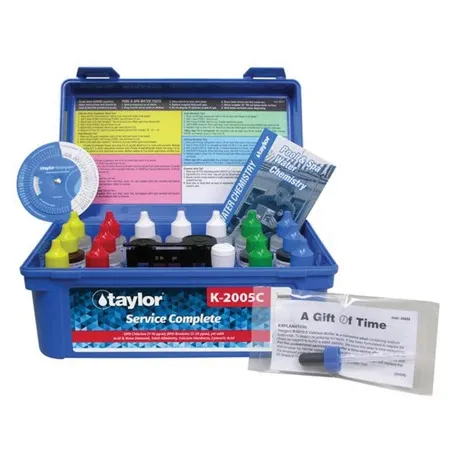

Maintaining an inviting swimming environment requires meticulous attention to chemical balance and water quality. Utilizing a comprehensive pool chlorine test kit allows pool owners to perform granular, precise evaluations of sanitizer concentrations and overall water health.
Detailed analysis prevents minor chemical fluctuations from turning into major maintenance challenges. Consistent monitoring habits support a relaxing, stress-free aquatic lifestyle routine for everyone.
Understanding the Need for Granular Water Analysis
Surface-level monitoring often misses the subtle chemical shifts that occur within a busy swimming pool. Conducting detailed water evaluations ensures that every parameter aligns with optimal safety standards.
Granular data empowers owners to make targeted adjustments rather than broad chemical guesses. This precision preserves equipment longevity and enhances overall bather comfort.
Detailed evaluations catch microscopic chemical imbalances early.
Precision dosing prevents over-treatment and chemical waste.
Regular analysis protects sensitive pool infrastructure components.
Exploring Reagent-Based Testing Mechanics
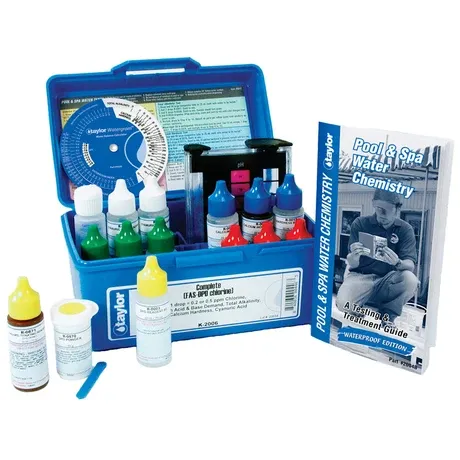
Liquid reagent systems utilize physical water samples collected in transparent testing vials. Users add specific drop counts of liquid chemicals to trigger targeted color reactions for analysis.
This traditional methodology allows for fine numerical gradations that standard diagnostic strips cannot always match. Advanced practitioners favor this approach for unmatched analytical depth.
Liquid reagents require careful drop-counting techniques for accuracy.
Transparent vials facilitate detailed shade comparison and evaluation.
Comprehensive testing covers multiple complex chemical parameters simultaneously.
Comparing Advanced Pool Chlorine Test Kit with Rapid Diagnostics
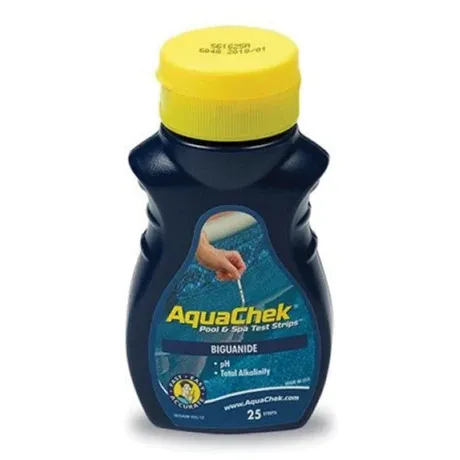
Pool owners frequently evaluate multiple testing mechanisms to determine their preferred maintenance workflow. Quick-dip pool chlorine test strips deliver rapid results for busy weekly tracking schedules.
In contrast, multi-step liquid testing requires dedicated time for careful preparation and mixing. Selecting the right approach depends on individual lifestyle and precision preferences.
Rapid testing strips streamline routine weekly maintenance checks.
Liquid procedures require dedicated time for careful preparation.
Combining tools provides both speed and granular depth.
Evaluating Free Chlorine and Combined Compounds
Differentiating between active sanitizer and spent compounds is vital for proper water management. Free chlorine actively neutralizes contaminants, while combined compounds indicate used-up disinfection power.
Detailed analysis helps identify when breakpoint chlorination is necessary to eliminate chloramines. Keeping these metrics aligned guarantees a fresh and comfortable swimming experience.
Free chlorine acts as the primary active defender against bacteria.
Combined chlorine points to depleted sanitizing power.
Regular checks help maintain a healthy active ratio.
Managing pH and Alkalinity Alongside Sanitizers
Chlorine effectiveness depends heavily on the surrounding pH and total alkalinity of the water. If these parameters drift out of range, sanitizing efficiency drops significantly.
Comprehensive testing ensures that all chemical factors remain balanced in harmony. Maintaining this equilibrium protects both equipment and swimmer comfort.
Ideal pH ranges ensure maximum sanitizer effectiveness.
Alkalinity buffering prevents erratic chemical fluctuations.
Balanced water minimizes potential equipment corrosion risks.
Best Practices for Reagent Storage and Handling
Obtaining reliable results requires proper environmental storage and careful handling of testing materials. Exposure to humidity, heat, or direct sunlight can degrade liquid reagents prematurely.
Following manufacturer guidelines ensures that every evaluation yields dependable outcome data. Consistency in storage protects your investment in pool maintenance accessories.
Store testing containers securely in cool, dry locations.
Keep lids tightly closed to prevent ambient moisture contamination.
Protect reagent liquids from direct sunlight exposure.
Sustaining Long-Term Water Clarity and Health
Sustaining clear water requires a disciplined schedule and reliable maintenance accessories. Sourcing high-grade supplies from Ever-Klear Pool Supply ensures dependable results season after season.
Integrating systematic checks into a weekly routine prevents major chemical imbalances. Ultimately, dedication to proper maintenance guarantees a safe, inviting environment year-round.
Establish a consistent weekly evaluation timetable.
Adjust chemical dosages gradually based on findings.
Keep reliable maintenance products readily available.
Frequently Asked Questions
Why choose a liquid testing system over rapid strips?
Liquid systems offer finer numerical gradations and greater precision, making them ideal for detailed water analysis and troubleshooting.
How often should detailed water testing be performed?
Water should be thoroughly evaluated at least once a week, with more frequent checks during periods of heavy pool usage.
Do liquid reagents lose effectiveness over time?
Yes, chemical reagents typically expire after one to two years and must be replaced to ensure accurate readings.
How should testing reagents be stored?
Store all liquid testing components in a cool, dark, and dry place away from children, pets, and extreme temperature fluctuations.




















Sign in to leave a comment.