
Heart rhythm plays an important role in maintaining healthy blood circulation throughout the body. When the heart beats too quickly, too slowly, or irregularly, it may indicate an electrical problem within the heart. Some rhythm disturbances are occasional and harmless, while others may require detailed evaluation and treatment. Understanding when to seek specialist care can help people address persistent or recurring symptoms appropriately.
An electrophysiologist in Dubai is a cardiologist who specializes in the electrical system of the heart and the diagnosis and management of heart rhythm disorders. These specialists evaluate conditions such as atrial fibrillation, supraventricular tachycardia (SVT), ventricular arrhythmias, premature ventricular contractions (PVCs), and certain conduction problems. Their expertise can be particularly useful when symptoms continue despite initial cardiac evaluation or when a rhythm disorder requires specialized treatment.
What Does an Electrophysiologist Do?
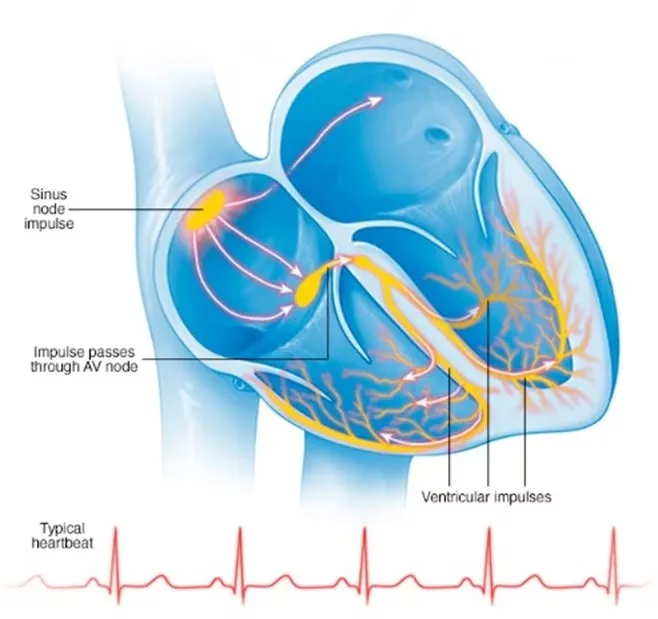
Electrophysiology is a specialized branch of cardiology that focuses on how electrical signals travel through the heart. A specialist may assess the heart's rhythm using medical history, physical examination, electrocardiograms (ECGs), Holter monitoring, event monitors, echocardiography, and other diagnostic tests.
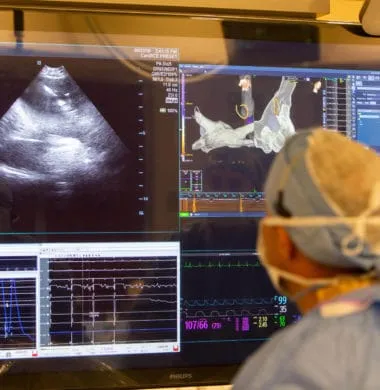
In selected cases, an electrophysiology study may be recommended. During this procedure, specialized catheters are guided into the heart to record electrical activity and identify the source of an abnormal rhythm. The information obtained can help the medical team understand the type and location of an arrhythmia and determine whether a procedure may be appropriate.
Which Symptoms May Require a Rhythm Evaluation?
Heart rhythm disorders can produce different symptoms depending on their type and severity. Common symptoms may include:
- Sudden or recurring heart palpitations
- Rapid or irregular heartbeat
- Dizziness or lightheadedness
- Unexplained fatigue
- Shortness of breath
- Chest discomfort
- Reduced exercise tolerance
- Fainting or near-fainting episodes
Not every episode of palpitations indicates a serious heart condition. However, symptoms that are recurrent, prolonged, severe, or associated with fainting or chest pain should be medically evaluated.
Which Heart Rhythm Conditions Can Be Treated?
Electrophysiology specialists manage a wide range of rhythm disorders. One common condition is atrial fibrillation, an irregular rhythm originating in the upper chambers of the heart. Depending on the individual situation, treatment may involve medication, electrical cardioversion, catheter ablation, or other approaches.
Supraventricular tachycardia is another rhythm condition that can cause sudden episodes of rapid heartbeat. Catheter ablation may be considered for certain types of SVT, particularly when episodes are recurrent or significantly affect quality of life.
Other conditions that may require specialist assessment include atrial flutter, ventricular arrhythmias, premature ventricular contractions, and certain inherited or conduction-related rhythm disorders.
How Is an Arrhythmia Diagnosed?
Diagnosis generally begins with a detailed review of symptoms and medical history. Because some rhythm abnormalities occur intermittently, a standard ECG may not always capture an episode.
Depending on the circumstances, a cardiologist may recommend longer-term rhythm monitoring. Holter monitors can continuously record heart activity for a defined period, while event or patch monitors may be used when symptoms occur less frequently.
Additional tests may help determine whether structural heart disease or another underlying condition is contributing to the rhythm problem. The results allow the specialist to develop a treatment approach based on the patient's specific condition.
What Is Catheter Ablation?
Catheter ablation is a minimally invasive procedure used to treat certain abnormal heart rhythms. During the procedure, thin catheters are introduced through a blood vessel and guided toward the heart. The specialist identifies abnormal electrical pathways or areas responsible for the arrhythmia.
Energy, such as radiofrequency energy or another approved ablation technology, can then be used to create carefully targeted lesions that interrupt the abnormal electrical signals. The exact technique depends on the type of arrhythmia and the patient's clinical circumstances.
Ablation is not necessary for every rhythm disorder. The decision depends on factors such as the type and frequency of arrhythmia, symptoms, previous treatments, overall cardiac health, and the expected benefits and risks of the procedure.
When Might a Pacemaker or ICD Be Considered?
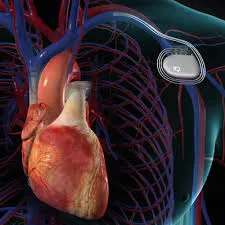
Some electrical disorders cause the heart to beat too slowly or create a significant risk of dangerous rhythms. In selected patients, an implanted pacemaker may help maintain an appropriate heart rate by delivering electrical impulses when needed.
An implantable cardioverter-defibrillator (ICD) serves a different purpose. It can monitor heart rhythm and deliver therapy when certain potentially life-threatening ventricular arrhythmias occur. ICDs may be considered for specific patients who have an increased risk of sudden cardiac arrest or meet established clinical criteria.
The choice between monitoring, medication, ablation, pacemaker implantation, ICD implantation, or another treatment should be based on a comprehensive medical assessment.
How Can Patients Prepare for a Consultation?
Patients can make a specialist consultation more useful by keeping track of their symptoms. Recording when palpitations occur, how long they last, what they feel like, and whether they are associated with exercise, stress, caffeine, or other factors may provide helpful information.
It is also useful to bring previous ECG reports, cardiac test results, medication details, and information about previous procedures. Patients should describe any history of fainting, heart disease, high blood pressure, diabetes, or relevant family history.
At The Heart.ae, patients can consult a specialized electrophysiologist in Dubai for assessment of heart rhythm concerns and discussion of appropriate diagnostic or treatment options. The approach is tailored to the individual's symptoms, diagnosis, medical history, and overall cardiovascular health.
Why Should Rhythm Symptoms Be Evaluated?
Ignoring recurring rhythm symptoms may delay identification of an underlying cardiac condition. While many palpitations are not dangerous, some may be associated with arrhythmias that require medical attention.
Specialist evaluation can help determine whether symptoms are related to an abnormal heart rhythm, another cardiovascular condition, or a non-cardiac cause. Early assessment also provides an opportunity to discuss suitable monitoring and treatment options when necessary.
If you experience recurring palpitations, unexplained fainting, persistent rapid heartbeat, or other concerning symptoms, consult a qualified cardiac specialist for an appropriate evaluation. Timely diagnosis can help guide informed decisions about managing heart rhythm disorders and maintaining cardiovascular health.

























Sign in to leave a comment.