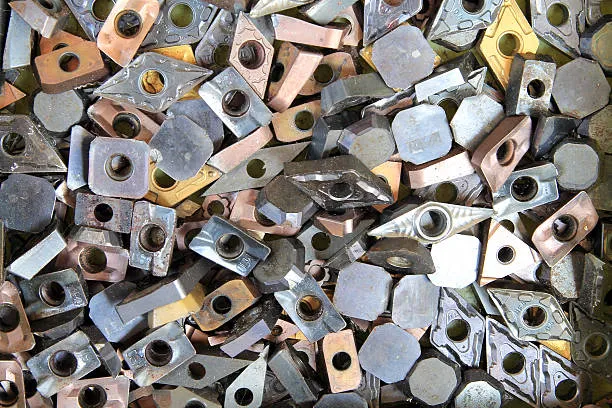

Industrial machining operations rely heavily on cutting tools that can withstand extreme pressure, heat, and repeated wear. Carbide inserts are among the most commonly used components in these environments because their hardness and durability make them suitable for demanding applications. However, even high-performance inserts eventually become worn, damaged, or unsuitable for further production. Instead of treating these pieces as ordinary waste, businesses can recover value by collecting them as recyclable material.
Many workshops and manufacturing facilities accumulate used inserts without realizing that they contain valuable tungsten carbide. Sending these materials to a general scrap yard may be convenient, but it may not provide the best possible return. Specialized recycling markets recognize the value of carbide and evaluate these materials differently. For businesses looking to improve their scrap revenue, understanding the value of carbide inserts scrap can be an important step toward better material management.
Why Used Carbide Inserts Have Recycling Value
Carbide inserts are manufactured for demanding machining applications, which means their composition includes valuable materials designed to provide exceptional hardness and wear resistance. Although a used insert may no longer be suitable for cutting operations, its material does not lose all of its underlying value simply because it has become worn.
Tungsten carbide can be recovered and processed for future industrial applications. This makes used inserts different from many forms of conventional workshop waste. Companies that regularly generate these items can potentially create an additional revenue stream by collecting them separately rather than disposing of them with general refuse.
The condition of individual inserts may vary considerably. Some may be worn from normal use, while others can be chipped, broken, or otherwise damaged. Their physical condition does not automatically make them worthless. Proper evaluation allows recyclable carbide to be identified and purchased according to its material characteristics.
How Proper Sorting Can Improve Scrap Handling
Effective scrap management starts with organization. Machining facilities often handle several types of cutting tools, metals, and production residues at the same time. When carbide inserts become mixed with unrelated materials, identifying and processing them can become more complicated.
Creating a dedicated collection system for used carbide makes it easier for employees to separate valuable material immediately after tools are removed from production. Containers positioned near machining areas can encourage consistent collection and prevent inserts from being accidentally thrown into ordinary waste bins.
Businesses may also generate other carbide products, including endmills, rods, dies, and grinding sludge. Keeping these materials organized can provide clearer information about the types and quantities of scrap being accumulated. For larger operations, maintaining records of collected material can further simplify periodic shipments and purchasing discussions.

What Affects the Value of Carbide Scrap
Several factors can influence the amount a seller receives for recyclable carbide. Material composition is important because different products may contain varying amounts of recoverable tungsten carbide. Quantity can also affect the efficiency of transportation, handling, and processing.
Market conditions are another consideration. Commodity values can change over time, meaning businesses should not assume that an old price remains relevant indefinitely. Comparing current purchasing offers can help sellers understand the potential value of their accumulated material.
The type of scrap also matters. Inserts, rods, endmills, dies, sludge, and mixed carbide may require different evaluation methods. A specialized buyer familiar with multiple carbide categories can provide a more informed assessment than a general scrap facility that handles a broad range of materials.
How Reliable Scrap Services Support Businesses
Convenience can be just as important as price when a company is selling industrial scrap. A machining facility may generate carbide continuously, making dependable collection and shipping arrangements essential. If the selling process is complicated, employees may be less likely to maintain an organized recycling program.
Nationwide logistics can make it easier for businesses in different locations to participate in the carbide recycling market. This is especially useful for commercial accounts with substantial volumes or companies that operate multiple facilities.
Fast payment can also make the process more attractive from a business perspective. Once material has been evaluated and accepted, prompt payment helps companies turn unused production scrap into usable funds without unnecessary delays. A straightforward purchasing process allows employees to focus on manufacturing instead of spending excessive time managing scrap transactions.
How Companies Can Maximize Their Carbide Returns
Businesses can take several practical steps to improve their scrap management strategy. First, they should establish designated areas for collecting used carbide inserts and other recyclable tooling. Employees should understand which materials belong in these containers and which items should remain separate.
Second, companies should avoid allowing carbide to become contaminated with unnecessary materials whenever possible. Clean, well-sorted scrap is generally easier to identify and evaluate. Larger facilities may also benefit from scheduling regular pickups or shipments instead of allowing material to accumulate indefinitely.
Finally, sellers should compare purchasing terms before making a transaction. Price per pound, accepted material categories, payment speed, shipping arrangements, and service coverage can all influence the overall experience. A reliable recycling partner can help businesses turn routine tooling waste into a more valuable resource.
Conclusion
Used carbide inserts should not automatically be viewed as worthless manufacturing waste. Their recoverable material content gives them a place within the industrial recycling market, creating an opportunity for workshops and manufacturers to generate additional value from products that have reached the end of their useful life. By separating inserts, organizing other carbide materials, monitoring market conditions, and choosing dependable purchasing services, businesses can make their scrap programs more efficient while recovering greater value from their industrial resources.





















Sign in to leave a comment.