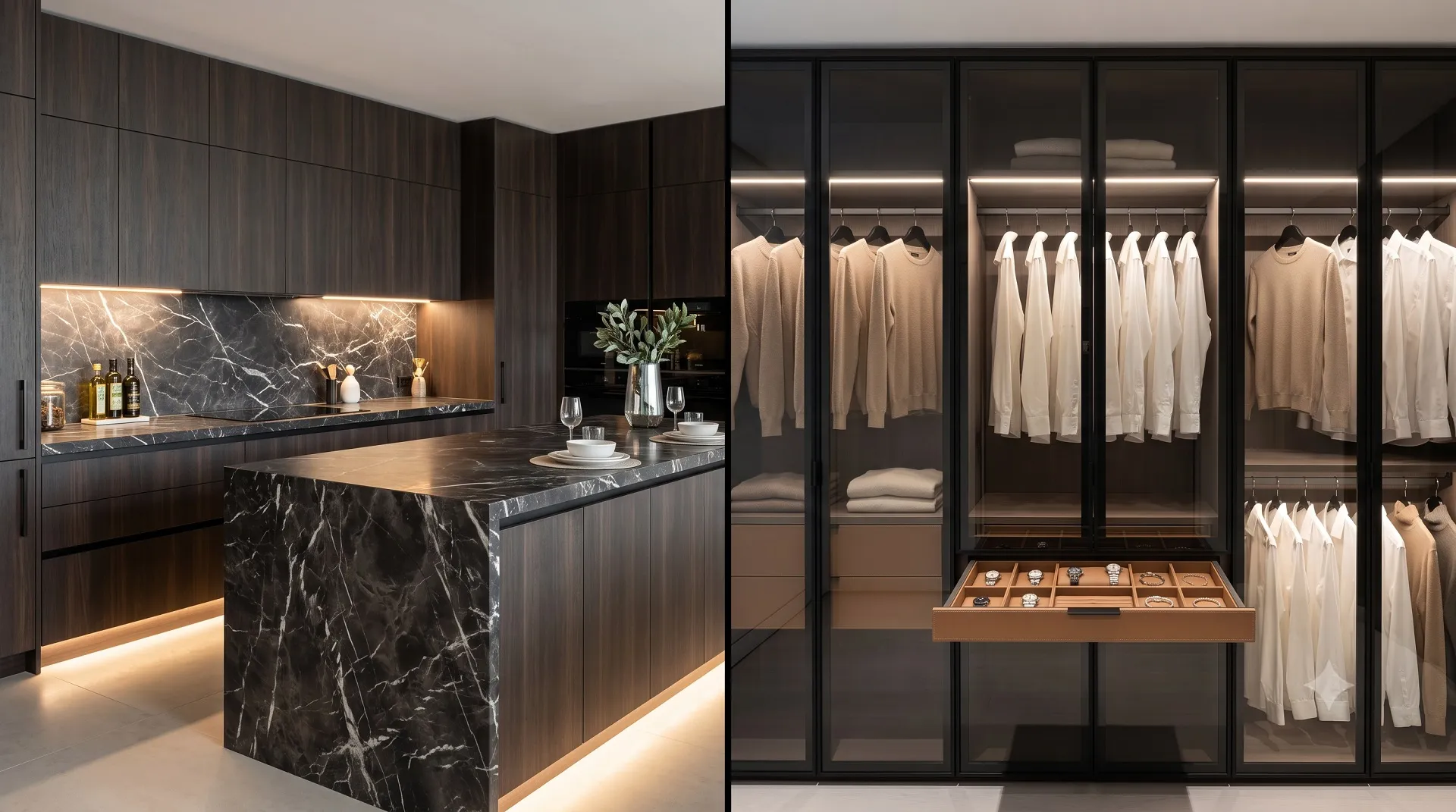

Foshan is one of the strongest sourcing cities in China for furniture and building materials because it concentrates factories, suppliers, showrooms and logistics in one region of Guangdong province. Buyers can see many product categories within a short distance, compare prices between competing manufacturers and place orders for a whole house without crossing the country. Its closeness to Guangzhou and to major ports further simplifies shipping.
This article looks at why the city has this reputation, which product categories are strongest, what challenges buyers face and how a local Foshan sourcing agent helps turn the concentration of suppliers into a practical advantage.
What Makes Foshan Different From Other Manufacturing Cities?
Many Chinese cities specialize in a single industry. Foshan is unusual because it is known for several linked industries at once, including furniture, ceramic tiles, sanitary ware, aluminum products, lighting and kitchen cabinetry. That mix matters for building projects, which need many categories at the same time. A buyer who sources tiles in one region, furniture in another and windows in a third faces far more logistics than one who can visit suppliers for all of them within a compact area.
The industrial base also brings supporting businesses: material suppliers, hardware makers, packaging companies, freight handlers and inspection services. When an ecosystem is dense, factories can turn around orders faster and buyers can find alternatives quickly when a supplier falls short. That flexibility is one reason global buyers keep returning.
Which Products Are Foshan's Strengths?
Furniture is the most visible. Morefar Global has written about the top furniture brands in the city and about a price list covering over ten thousand furniture products, which gives a sense of the range available. Buyers can find everything from residential sofas and beds to hospitality and commercial furniture, in styles that range from simple and affordable to premium and design-led.
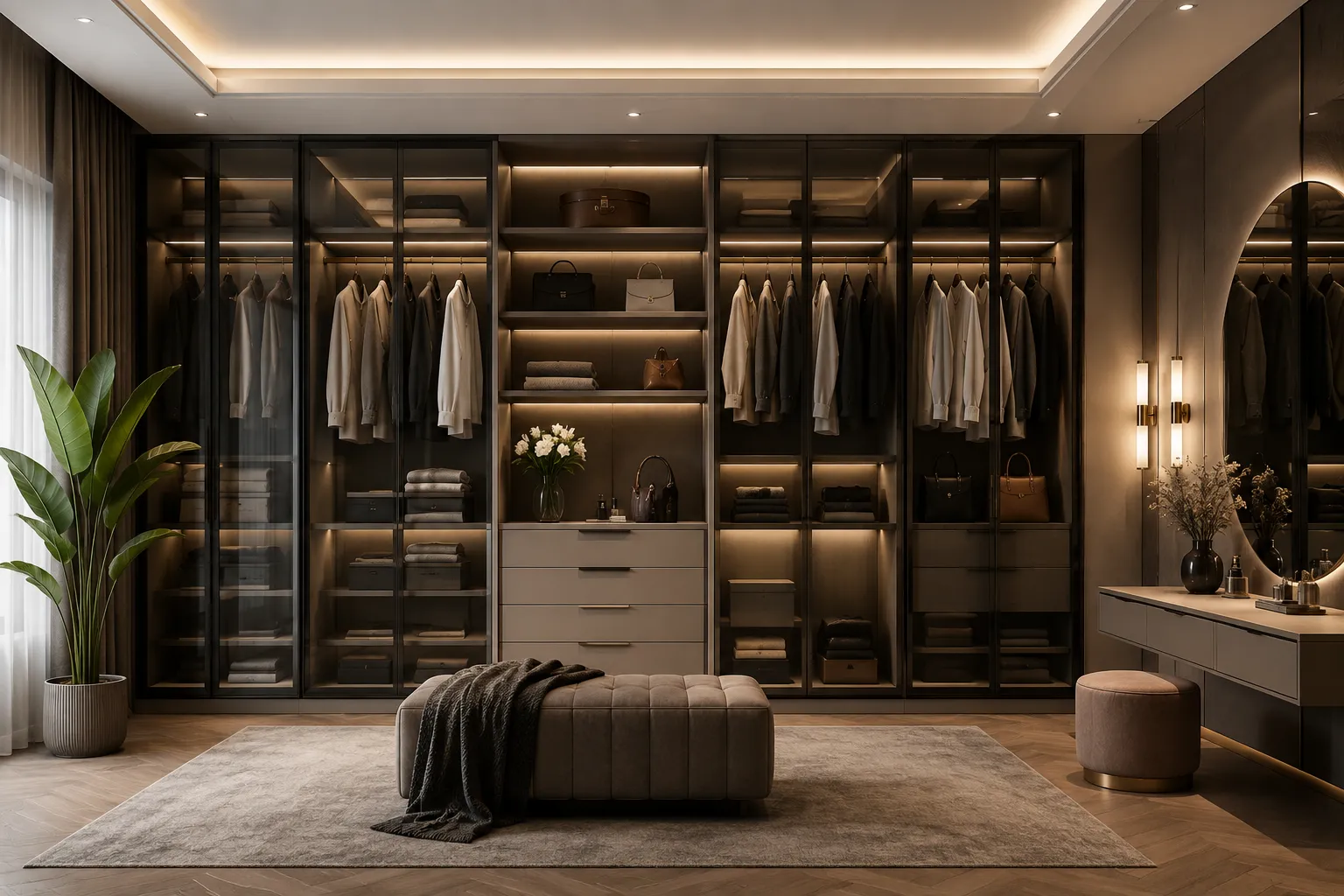
Building materials are equally important. Aluminum windows and doors, tiles, stone-look surfaces, bathroom fixtures, lighting, wall panels and partitions are all commonly sourced from the region. Morefar Global has published a complete guide to sourcing aluminum windows and doors from the area, which reflects how many buyers arrive with that specific need. Kitchen cabinets, wardrobes, bespoke cabinetry, joinery and millwork are another major category, and a dedicated service exists for cabinet sourcing.
Whole-house buyers benefit most. Because so many product types are close together, one coordinated trip or one remote project can cover flooring, doors, windows, kitchens, bathrooms and furnishings.
How Do Prices in Foshan Compare?
Prices vary widely, and that variation is both an opportunity and a risk. Competition between factories keeps many prices attractive, especially for buyers who deal with makers rather than middlemen. At the same time, quality differences can be large. Two products that look identical in a photograph may differ in materials, finishing and durability.
A cheap quote is not automatically a good deal. The real cost includes defects, delays, rework and freight. A Foshan sourcing agent helps by matching the price to the true specification and by identifying which suppliers give reliable value rather than just a low headline number.
Morefar Global states that its vetted supplier database can save buyers ten to fifty percent compared with self-sourcing. That range reflects how much money can be gained or lost depending on who you buy from and how you negotiate.
What Challenges Do Overseas Buyers Face There?
The first challenge is scale. Showrooms and wholesale markets are large, and without guidance it is easy to lose days without decisions. The second is language. Many suppliers communicate mainly in Chinese, which makes technical discussions and negotiation harder for foreigners.
The third challenge is trust. Buyers often cannot tell whether a supplier is a genuine factory, a trading company or a showroom reselling other people's products. The fourth is coordination: once orders are placed with several suppliers, someone must follow production, check quality and gather everything for shipping. Without a local partner, these tasks fall on the buyer.
How Does a Foshan Sourcing Agent Solve These Problems?
An agent based in the region provides scale management, translation and verification in one package. They shortlist suppliers according to your project, arrange factory appointments, translate during negotiations and check whether a supplier is what it claims to be. They also follow production and inspect goods, then consolidate everything at a warehouse for shipping.
Morefar Global describes this as a one-stop service covering purchase consultation, coordination with suppliers, sourcing, price negotiation, quality control, warehousing and worldwide shipping. The company's head office is in Guangzhou, close enough to Foshan to visit factories quickly, and its team has spent more than a decade working in these industries.
A Foshan sourcing agent also helps buyers avoid a subtle problem: choosing a supplier because they were easy to find rather than because they were the best fit. Local relationships reveal producers who do not advertise widely but deliver excellent work.
How Does Guangzhou Support the Foshan Market?
Guangzhou sits next to Foshan and adds international exhibitions, airports, ports and a large service industry. Every year, major fairs bring together furniture, materials and interior design suppliers. Morefar Global has published insights from Guangzhou Interior Design Week, describing trends in materials and design that global buyers can use when planning projects.
For visitors, the proximity means one trip can combine trade shows, factory visits and market walks. It also gives easy access to international flights and container ports, which simplifies both travel and export.
What About Shipping From the Region?
Shipping is straightforward compared with inland manufacturing areas. Guangdong has major ports and mature freight networks, so containers can leave quickly once goods are ready. The main decision is how to load them. Full container loads are usually cheaper per unit when volumes are large enough, while consolidated shipments help smaller buyers combine goods from many suppliers.
Morefar Global has explained why full container load can be more cost-effective than less than container load for furniture and building materials from China, and its warehouse consolidation service supports both approaches. Careful packing and documentation matter regardless of container type, because damage and customs errors are the most common causes of delay.
Is Foshan Right for Every Buyer?
Not necessarily. If you need highly specialized industrial goods, another region may offer a stronger cluster. If your purchase is tiny, the effort of a sourcing project may not justify itself. But for buyers planning a house, an apartment development, a hotel or a commercial fit-out, Foshan's range and competition make it a strong first choice.
Morefar Global has even published a procurement guide for luxury hospitality projects, showing that the region can serve upscale as well as budget markets. The key is choosing suppliers that match your standard, which is again where local knowledge helps.
Final Thoughts
Foshan stands out because so many relevant industries sit within a short distance of each other, giving buyers choice, competition and efficient logistics. The challenge is navigating that choice safely. A trustworthy Foshan sourcing agent can guide you through the market, verify suppliers, control quality and handle shipping, so you benefit from the city's strengths without carrying all of its risks. Define your project, set your quality standard and start with a clear conversation about what you need.

























Sign in to leave a comment.