
Modern electronic products operate at increasingly higher frequencies while demanding smaller form factors and better performance. These conditions make electromagnetic behavior harder to predict through conventional design methods alone. Engineers need reliable simulation to understand how fields interact with components, materials, and surrounding structures before committing to costly physical prototypes.
How Does HFSS Improve Electromagnetic Design Decisions?
HFSS allows engineers to model and evaluate complex electromagnetic behavior in a virtual environment. Parameters such as impedance, resonance, radiation patterns, coupling, and field distribution can be studied during the design stage. From my experience working in engineering simulation for more than 15 years, early electromagnetic validation is one of the most effective ways to reduce unexpected performance problems later.
Why Is Optical Engineering Important in Advanced Technology?
The boundaries between electronics, communications, and photonic systems continue to become less distinct. Optical engineering supports the development of technologies involving light propagation, optical components, sensors, imaging systems, and communication equipment. Accurate engineering analysis helps designers understand how individual components contribute to overall system performance and where optimization may be required.
How Can Photonics Simulation Improve Product Development?
Designing photonic components often involves complex interactions between materials, geometry, and electromagnetic waves. Photonics simulation provides engineers with a way to investigate these interactions before fabrication. By comparing different configurations virtually, development teams can optimize efficiency and performance while reducing the number of physical prototypes required.
Why Should Simulation Be Combined With Mechanical Testing?
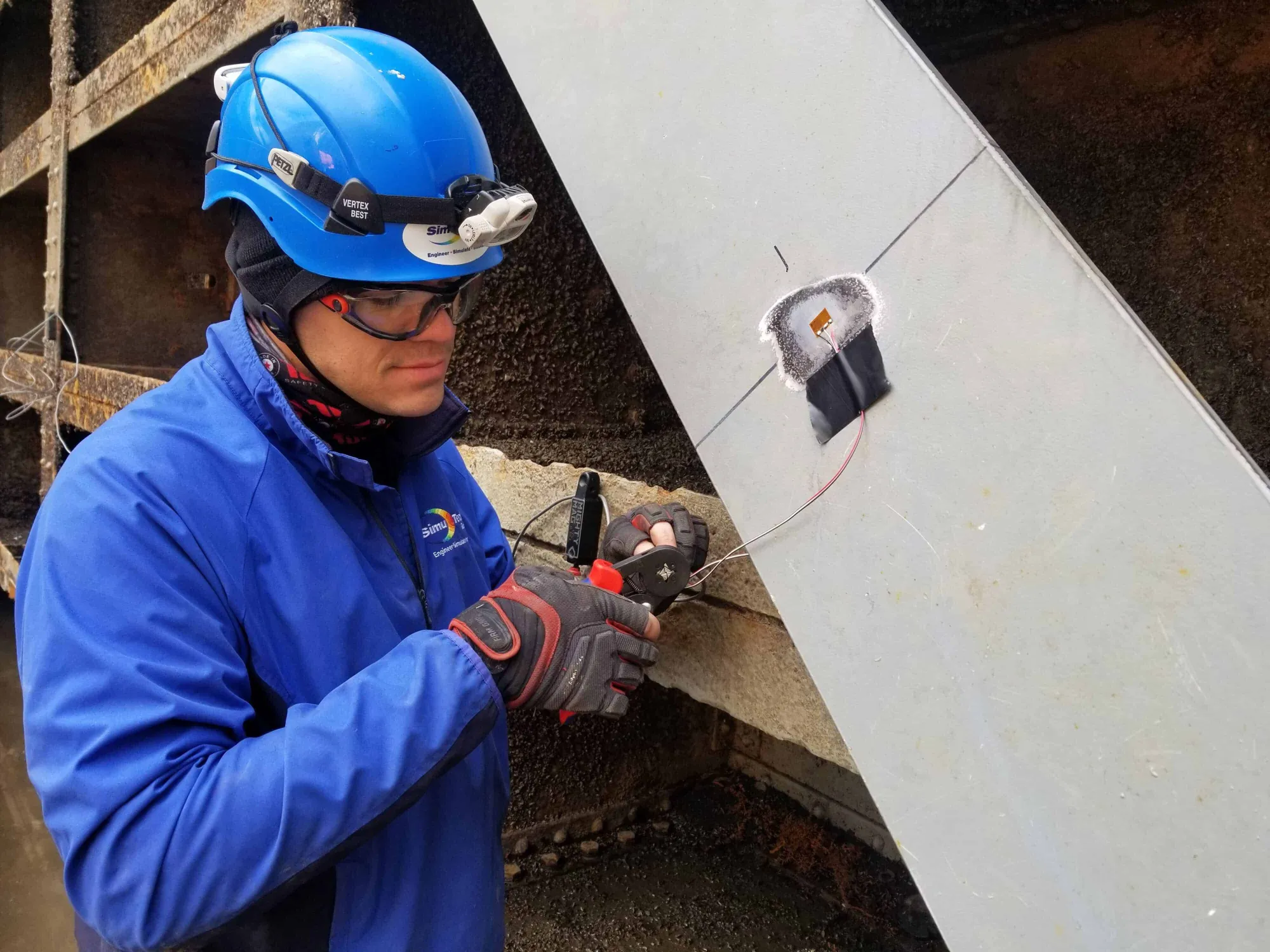
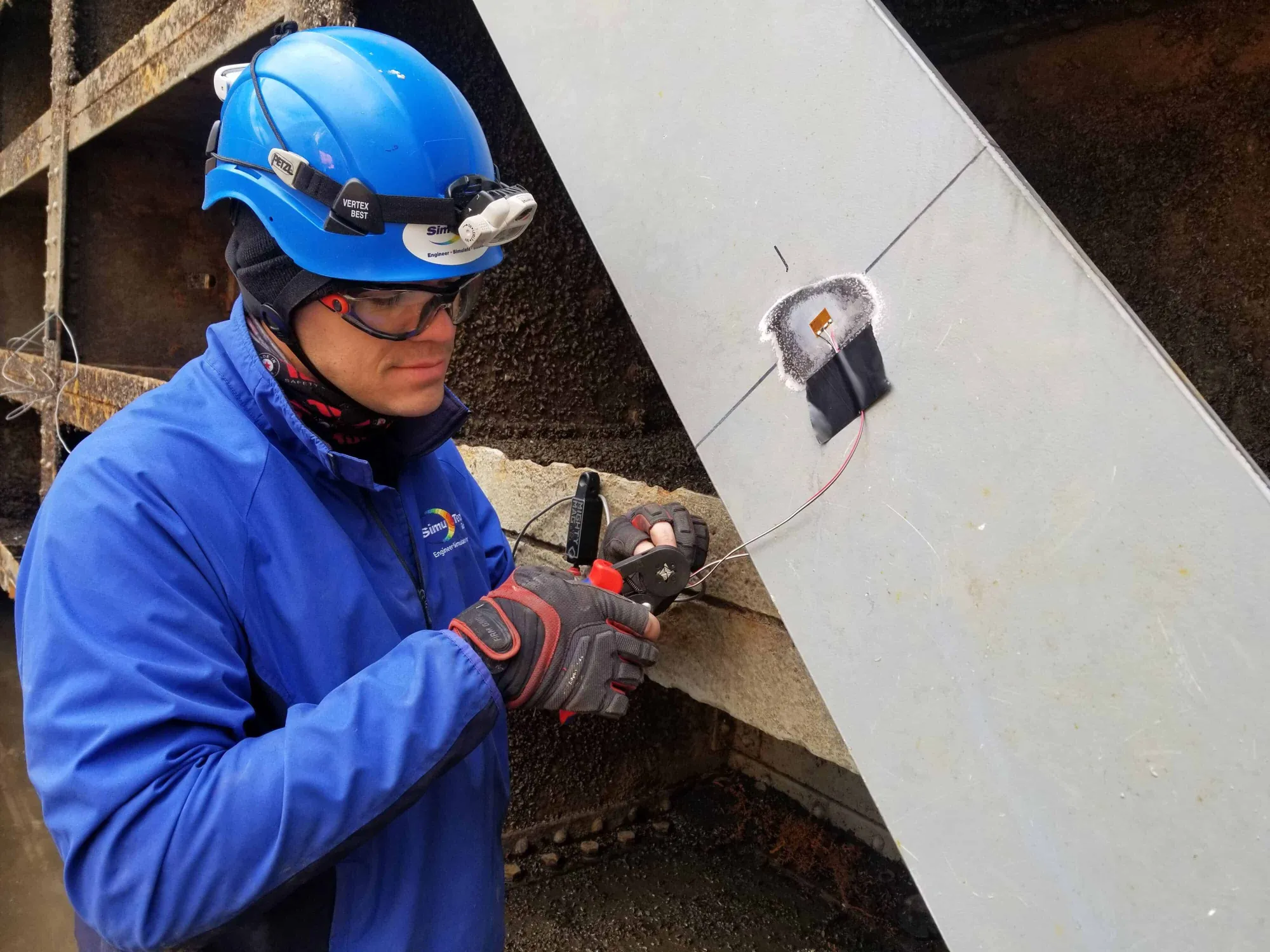
Digital predictions are powerful, but physical validation remains essential. Mechanical testing confirms whether a finished design can withstand real operating conditions, including loads, vibration, and repeated stresses. Combining computational results with test data gives engineering teams a clearer understanding of actual product behavior and helps identify areas where models or designs need refinement.
How Does Expert Engineering Support Better Outcomes?
Simutech Group approaches simulation as a decision-making tool rather than simply a modeling activity. Effective analysis should answer practical engineering questions: Where is the design likely to fail? What can be optimized? Which variables have the greatest impact? Addressing these questions early allows development teams to prioritize resources and make technically sound decisions.
Conclusion
High-frequency and electromagnetic products require more than traditional trial-and-error development. Simulation provides visibility into complex behavior before manufacturing, helping engineers improve performance, reduce redesigns, and manage development risks. When electromagnetic analysis is combined with optical, photonic, motor, and physical testing expertise, it creates a more complete approach to developing reliable next-generation products.



















Sign in to leave a comment.