Why Is My Child So Clumsy? 7 Signs They May Need Help With Motor Planning

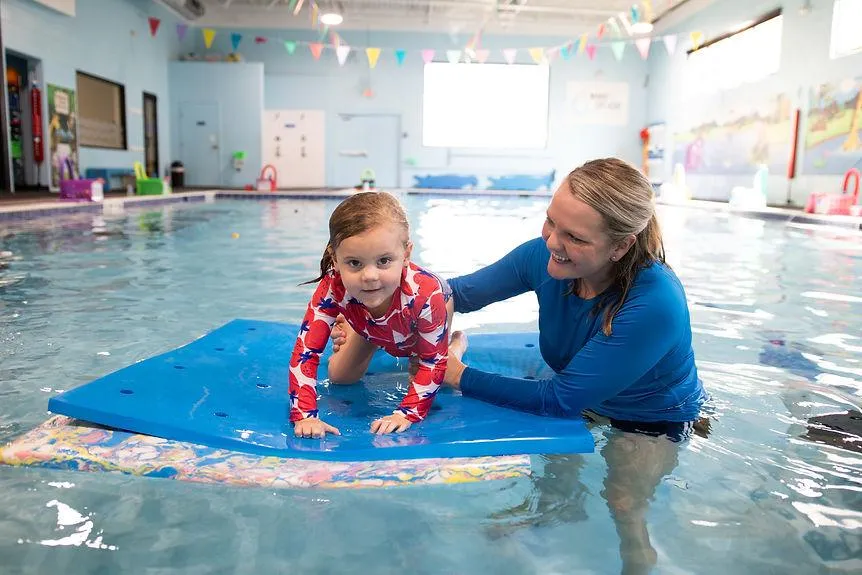
When “being clumsy” becomes a pattern
Every child trips, drops a cup, or needs extra time to learn something new. But if your child regularly bumps into furniture, struggles to copy simple movements, or finds dressing and playground activities unusually hard, you may be wondering whether something else is going on.
One possible factor is motor planning. This is the process of thinking about a movement, working out the steps, and carrying them out in the right order. Children use it when climbing a ladder, catching a ball, using scissors, putting on a shirt, or learning to ride a bike.
Motor-planning challenges do not automatically mean a child has a disorder. Development, practice, vision, strength, attention, and other factors can affect coordination. The useful question is whether the difficulty keeps getting in the way of everyday life.
What motor planning can look like in real life
Imagine a child who knows what they want to do but cannot quite organise their body to do it. They may watch another child climb the playground steps, understand the demonstration, and still need many attempts to coordinate their feet and hands. The challenge may be less about willingness and more about figuring out how to perform the movement.
Motor planning is sometimes called praxis. It involves coming up with an action, organising the movements, and carrying them out. Children who find this difficult may need more demonstrations, repetition, and step-by-step support than their peers.
7 signs worth paying attention to
1. Your child trips, bumps into things, or drops objects often
Frequent collisions with doorframes, repeated spills, or dropped toys may point to difficulties with body awareness or coordination. Notice whether it happens across different settings and continues to interfere with play or routines, rather than focusing on one isolated accident.
2. New physical skills take much longer to learn
Bike riding, swimming movements, hopping, or using playground equipment may require repeated demonstrations and practice. A child may understand the goal but struggle to coordinate the sequence of movements needed to get there.
3. Copying actions is surprisingly difficult
Your child may find it hard to imitate a dance move, follow a movement game, copy a simple hand action, or mirror a teacher’s demonstration. Try showing one movement at a time and allowing your child to practise at their own pace.
4. Dressing turns into a daily battle
Buttons, zippers, socks, shoes, and putting clothes on in the correct order combine several small actions. If your child often gets stuck halfway through, loses track of the steps, or needs much more help than expected for their age, motor planning may be one factor.
5. Craft, handwriting, or utensil use feels awkward
Using scissors, holding paper steady while drawing, managing a fork, or assembling small pieces asks the hands and eyes to work together. Difficulty may show up as messy work, unusual effort, frustration, or avoiding these activities.
6. Your child avoids games or playground challenges
Some children stop joining in when running games, ball play, climbing, or PE feel difficult. They may say they do not like the activity, when repeated struggles have made it uncomfortable or embarrassing. Avoidance is worth exploring with curiosity, not criticism.
7. Familiar tasks still need lots of reminders or step-by-step help
A child may manage one part of a routine but lose the sequence when several actions are involved. Visual checklists, pictures, short instructions, and predictable practice can help reveal which step is difficult.
What parents can try at home
You do not need special equipment to make practice more manageable. The goal is to help your child experience success while gradually building independence.
- Break the task into small steps. For getting dressed, practise pulling up a zipper or putting on one item at a time before combining the whole routine.
- Show, then let your child try. A short demonstration can be easier to follow than several spoken instructions at once.
- Use simple visual cues. A three-picture sequence for washing hands or packing a bag can reduce the need to remember every step.
- Build movement into play. Try stepping over cushions, walking along a taped line, copying animal walks, or rolling and catching a soft ball, adapting activities to your child’s abilities and safety.
- Allow extra time. Rushing can increase frustration. Offer enough time to try, make mistakes, and try again.
- Notice effort and strategy. Instead of saying “Be careful,” try specific feedback such as “You looked at the step before putting your foot down.”
When should you ask for professional guidance?
Consider speaking with your child’s pediatrician or a qualified pediatric occupational therapist if coordination difficulties persist, appear out of step with your child’s developmental stage, cause frequent frustration, or affect dressing, eating, writing, school participation, or play. Seek medical advice promptly if movement difficulties begin suddenly, worsen quickly, or come with other new symptoms.
An assessment looks at your child’s strengths and challenges in context. A professional may ask about development, daily routines, school activities, and the tasks your child finds hardest. The aim is to understand what is getting in the way and whether further evaluation or support is appropriate.
How pediatric occupational therapy may help
Pediatric Occupational Therapy focuses on helping children participate more comfortably and independently in everyday activities. When motor planning is part of the picture, an occupational therapist may practise meaningful tasks with the child, break complex actions into manageable steps, and suggest strategies for home or school.
Goals should be practical and individual. For one child, that might mean fastening a coat; for another, using scissors, managing a lunchbox, or joining a playground game with greater confidence. Progress is usually considered in terms of real-life participation, not simply whether a child completes an exercise in a clinic.
Explore Therapy Smarts’ Pediatric Coordination & Balance Therapy page to learn more about support for coordination, balance, body awareness, and everyday skills.
A quick note about labels
“Clumsy” describes what a parent sees; it does not explain why it is happening. Some children have coordination difficulties associated with developmental coordination disorder (DCD), while others may have different contributing factors or no formal diagnosis. Only an appropriate evaluation can help clarify the picture. Avoid comparing your child harshly with siblings or classmates, and focus on the skills they need help practising.
The most useful next step
For a week, note two or three situations that repeatedly cause difficulty. Write down what the task was, which part seemed hard, what support helped, and whether your child became frustrated or avoided it. These specific examples can make a conversation with a pediatrician or therapist more productive.
Your child does not need to master every movement at the same pace as everyone else. If everyday tasks are becoming a regular struggle, getting guidance early can help you understand what support may be useful and make practice feel more achievable.


Sign in to leave a comment.