Why Is My Skin Ulcer Not Healing?

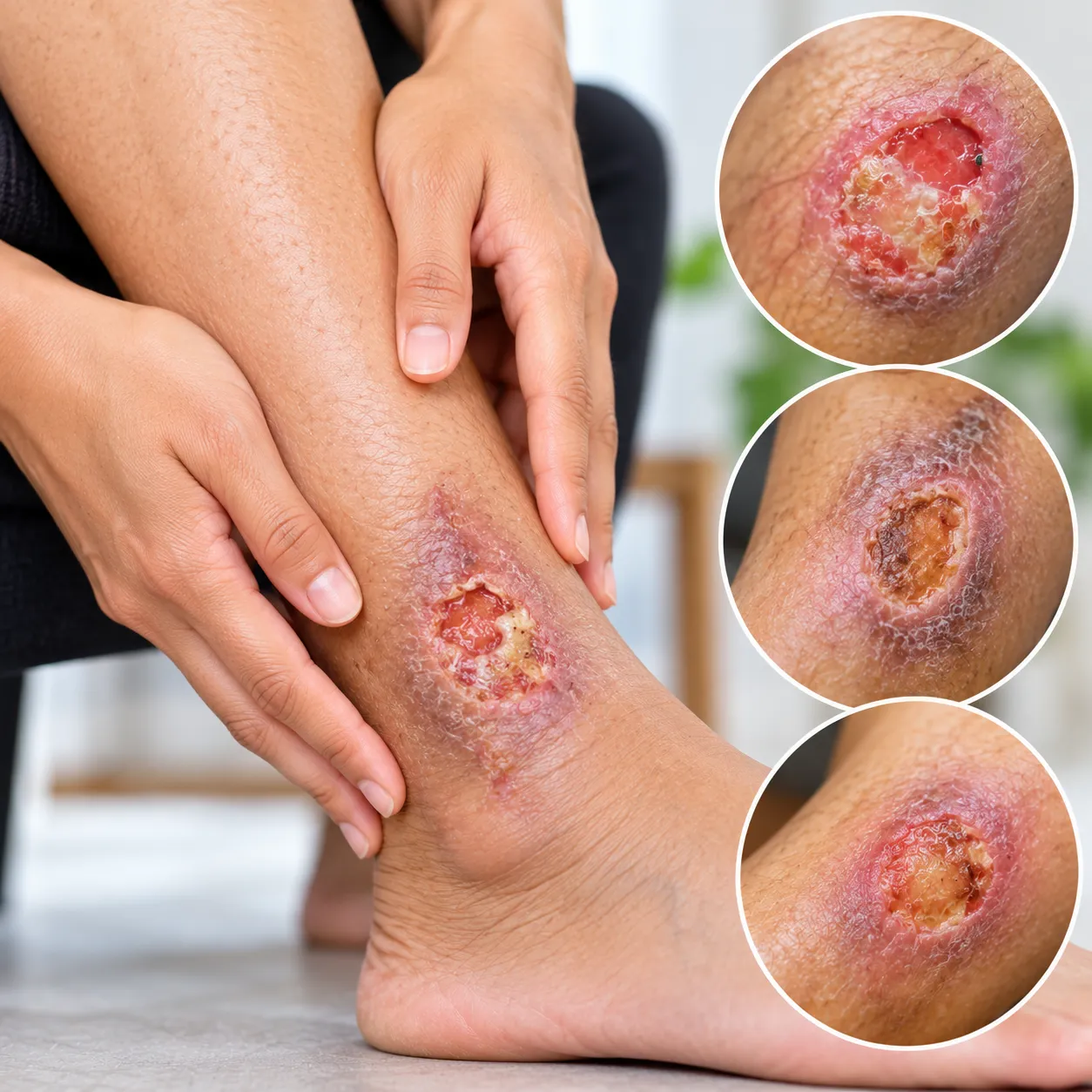
A skin ulcer is an open sore that fails to heal normally or keeps returning. It may begin as a small wound, blister, pressure injury or break in the skin. Over time, the area may become painful, develop discharge or increase in size.
A non-healing skin ulcer should not be treated as an ordinary cut that simply needs more time. Problems with blood circulation, diabetes, infection and repeated pressure can prevent damaged tissue from recovering.
Understanding the underlying cause is essential. Covering the wound may protect it, but lasting improvement often requires treatment of the condition that is slowing healing.
When Does a Skin Wound Become a Concern?
Most minor wounds gradually improve with suitable care. The edges begin to close, tenderness reduces and healthy tissue develops. A wound that shows little progress deserves closer attention.
MedlinePlus identifies wounds that have not started healing within two weeks or have not completely healed within six weeks as potential non-healing wounds. These time frames are useful warning signs, not reasons to delay an assessment when the wound looks concerning.
A sore that becomes larger, repeatedly opens or produces persistent discharge should be evaluated sooner. People with diabetes, poor circulation or reduced sensation need particular care because a wound may worsen without causing much pain.
What Is Preventing the Ulcer From Healing?
Poor blood circulation
Healthy tissue needs an adequate supply of oxygen and nutrients. When blood flow is reduced, the body may struggle to repair damaged skin.
Arterial circulation problems can contribute to ulcers on the feet and legs. Venous disease can also cause ulcers, particularly around the lower leg and ankle. Swelling, skin discolouration and visible enlarged veins may provide additional clues.
The treatment depends on the circulation problem. A wound dressing alone cannot correct significant arterial disease or the high venous pressure associated with some leg ulcers.
Diabetes and nerve damage
Diabetes can affect wound healing in several ways. High blood glucose can interfere with normal repair processes, while nerve damage may reduce the ability to feel pressure, friction or minor injuries.
A small blister on the foot may therefore go unnoticed. Walking on the damaged area can increase tissue injury and prevent healing.
Anyone with diabetes who develops a new foot ulcer should arrange prompt medical assessment. Do not wait for the wound to become painful.
Infection in the wound
Bacteria can enter damaged skin and interfere with recovery. Warning signs include increasing pain, spreading redness, warmth, swelling, pus, an unpleasant smell or fever.
Some chronic wounds contain bacteria without showing a clear clinical infection. A healthcare professional can decide whether testing or antimicrobial treatment is appropriate. Antibiotics are not necessary for every wound and should not be used without a proper indication.
Repeated pressure and friction
Constant pressure can damage tissue, especially in people who spend long periods in bed or use a wheelchair. These injuries are commonly called pressure ulcers.
Repeated friction from footwear, walking or poorly fitting medical equipment can also prevent an existing wound from closing. Protecting the affected area and reducing pressure are important parts of care.
Poor nutrition and other health factors
The body needs enough energy, protein and essential nutrients to repair tissue. Poor food intake, nutritional deficiencies, smoking and certain chronic illnesses can slow recovery.
Some medicines and treatments may also influence healing. Share your medication list and medical history with the clinician assessing the wound. Do not discontinue prescribed treatment on your own.
Location of the Ulcer
The location can help guide the medical assessment, although it cannot establish the cause by itself.
- Feet and toes: Reduced arterial blood flow, diabetes-related nerve damage or repeated pressure may be involved.
- Lower legs and ankles: Venous circulation problems can contribute, particularly when swelling and skin changes are present.
- Areas exposed to prolonged pressure: Pressure injuries may develop over the heels, hips, buttocks or other areas where the body rests against a surface.
- A wound that repeatedly returns: Ongoing pressure, an untreated circulation problem, infection or another underlying condition may need investigation.
Ulcers can have less common causes as well, including inflammatory skin disorders and certain tumours. A wound that looks unusual or fails to respond to appropriate treatment may require further investigation.
How a Clinician Evaluates a Non-Healing Skin Ulcer?
Assessment usually begins with a review of the wound's history, size, depth, location and surrounding skin. The clinician may ask when it appeared, whether there was an injury and what treatments have already been tried.
Depending on the findings, investigations may include:
- Blood glucose assessment when diabetes is suspected or needs review.
- Circulation tests to assess blood supply to the affected limb.
- A wound sample when signs of infection make testing appropriate.
- Imaging when a deeper infection or bone involvement is suspected.
- A biopsy when the appearance or course of the ulcer raises concern about another diagnosis.
The right tests depend on the individual. Not every ulcer needs every investigation.
What Helps a Skin Ulcer Heal?
Effective wound care addresses both the open sore and its underlying cause. Treatment may involve cleaning the wound, selecting a suitable dressing and protecting the surrounding skin.
Additional care may include:
- Reducing pressure on the affected area.
- Managing diabetes and other chronic health conditions.
- Treating confirmed infection when indicated.
- Improving nutrition when an inadequate intake or deficiency is identified.
- Using clinician-directed compression for suitable venous ulcers after circulation has been assessed.
- Seeking specialist wound care for deep, complex or persistent ulcers.
Compression bandages should not be started independently when arterial circulation problems may be present. The correct treatment depends on the type of ulcer.
For a minor wound, gentle cleaning with clean water, an appropriate dressing and avoiding picking at the wound can help protect healing tissue. However, a chronic ulcer needs a more specific plan than routine first aid.
Warning Signs That Need Prompt Attention
Seek urgent medical assessment if the ulcer becomes rapidly larger, develops spreading redness, produces pus, causes increasing pain or is accompanied by fever. Blackened tissue, a cold or discoloured foot, sudden severe pain or a rapidly deteriorating wound can indicate a serious problem and require emergency assessment.
People with diabetes, reduced immunity or known circulation disease should have a lower threshold for seeking help.
Frequently Asked Questions
Can a skin ulcer heal without treatment?
Some minor wounds heal with appropriate basic care. Chronic ulcers caused by circulation problems, pressure or other underlying conditions often need professional treatment to heal reliably.
Should I apply antiseptic or antibiotic cream?
Not automatically. Some products can irritate tissue, and antibiotics are not needed for every wound. Ask a healthcare professional which cleaning method and dressing are suitable.
Does every non-healing ulcer mean diabetes?
No. Diabetes is one possible cause, but poor circulation, pressure, infection, nutritional problems and other conditions can also delay healing.
Which doctor should I consult?
A primary care clinician or wound-care service can assess the ulcer and arrange further evaluation. A dermatologist may help when the diagnosis is unclear, the surrounding skin is affected or a skin disorder is suspected. A vascular or other specialist may be needed depending on the findings.
Do Not Ignore a Wound That Keeps Returning
A persistent skin ulcer is a sign that something may be interfering with normal tissue repair. Early evaluation can help identify the problem before the wound becomes more complicated.
For unexplained sores or ulcers with skin changes, a dermatologist in Roorkee can assess whether a skin condition is contributing and advise on appropriate next steps. Deep ulcers, circulation problems and diabetic foot wounds may also require dedicated wound-care or specialist services.



Sign in to leave a comment.