
A cancer diagnosis, an autoimmune disorder, or a scheduled surgery can turn life upside down overnight. In the rush of appointments, test results, and treatment plans, one question often gets pushed aside: what happens to your fertility afterward? For thousands of men every year, chemotherapy, radiation, and certain surgeries can permanently affect sperm production — and by the time anyone thinks to ask, it's too late to do anything about it.
This is exactly why doctors increasingly recommend sperm freezing as a standard step before starting aggressive medical treatments. It's a simple, one-time procedure that can protect a man's chance of having biological children years down the line — no matter what his treatment journey looks like.
In this Q&A guide, we break down everything you need to know about sperm freezing before medical treatment, why timing matters, and how it fits into the broader picture of fertility preservation — including options like egg donation in Delhi for couples exploring assisted reproduction together.
What Is Sperm Freezing, and How Does It Work?
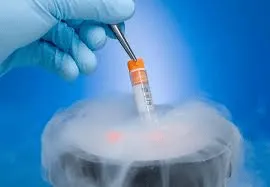
Sperm freezing, medically known as sperm cryopreservation, is the process of collecting, testing, and freezing a semen sample so it can be stored — sometimes for decades — and used later for fertility treatments like IVF or IUI.
How the process typically works:
- Semen sample collection – Usually done through ejaculation at a clinic or, in some cases, through a minor surgical procedure if natural collection isn't possible.
- Lab analysis – The sample is checked for sperm count, motility, and overall quality.
- Cryoprotection – A special solution is added to protect sperm cells from damage during freezing.
- Freezing and storage – Samples are frozen in liquid nitrogen at extremely low temperatures and stored in a secure fertility bank.
The entire process can often be completed within a single day, which makes it realistic even for patients who need to start treatment urgently.
Why Do Medical Treatments Affect Male Fertility?
Many life-saving treatments work by targeting rapidly dividing cells — which unfortunately includes sperm-producing cells in the testes.
Common treatments that can impact fertility:
- Chemotherapy – Certain drugs can reduce or completely stop sperm production, sometimes permanently.
- Radiation therapy – Especially when directed near the pelvic area or testes.
- Testicular or prostate surgery – Can physically alter sperm production or delivery.
- Long-term hormone therapy – Used for conditions like prostate cancer, which can suppress fertility.
- Treatments for autoimmune diseases – Some immunosuppressive drugs are also known to affect sperm quality.
The extent of the damage varies by drug type, dosage, and individual health, but doctors generally cannot predict with certainty who will regain fertility and who won't. That uncertainty is precisely why freezing sperm before treatment begins is considered a precaution worth taking.
When Is the Right Time to Freeze Sperm?
Before treatment starts — ideally as soon as possible after diagnosis.
Fertility specialists recommend collecting and freezing samples before the first dose of chemotherapy or radiation, since even a single treatment cycle can affect sperm DNA quality. If time allows, some clinics recommend providing 2–3 samples over a few days to have a larger reserve banked.
Situations where sperm freezing is especially advised:
- Before starting cancer treatment (chemotherapy or radiation)
- Before major reproductive or pelvic surgery
- Before long-term steroid or hormone therapy
- Before undergoing gender-affirming hormone treatment
- For men in high-risk occupations (e.g., frequent radiation exposure)
Does Sperm Freezing Guarantee Future Fertility?
Not automatically — but it significantly improves the odds. Frozen sperm can remain viable for 10, 20, or even more years when stored correctly. When a man is ready to start a family, the sample can be thawed and used with:
- IUI (Intrauterine Insemination)
- IVF (In Vitro Fertilization)
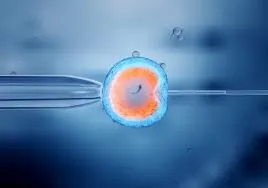
- ICSI (Intracytoplasmic Sperm Injection) – often used when sperm count or motility is low
It's worth noting that frozen sperm generally maintains good fertilization potential, though a fertility specialist will assess sample quality at the time of thawing.
What If Fertility Is Affected on Both Sides — Is Egg Donation an Option Too?
Fertility preservation isn't only a male concern. Many couples facing medical treatment together — or dealing with age-related or diagnosed fertility issues — explore assisted reproduction as a team. In cities with advanced fertility infrastructure, egg donation in Delhi has become a widely trusted option for couples where the female partner cannot use her own eggs due to medical treatment, ovarian reserve issues, or genetic concerns.
Delhi is home to several accredited fertility clinics offering:
- Screened and health-verified egg donors
- Legal and ethical donation processes compliant with Indian ART regulations
- Combined treatment planning for couples needing both sperm banking and egg donation
- Personalized IVF protocols using donor eggs and preserved or fresh sperm
For couples navigating cancer treatment, autoimmune conditions, or other fertility-impacting diagnoses together, discussing both sperm freezing and egg donation early with a fertility specialist can open up more complete family-planning options later.
How Much Does Sperm Freezing Cost, and Is It Affordable?
Costs vary by clinic and location, but sperm freezing is generally far more affordable than most people expect — especially compared to future fertility treatments it can make possible.
Typical costs usually include:
- Initial consultation and semen analysis
- Freezing and processing fee
- Annual storage fee (renewable yearly)
Many hospitals now offer discounted or subsidized fertility preservation for cancer patients, so it's worth asking your oncologist or a fertility clinic directly about available support programs before assuming cost is a barrier.
Is Sperm Freezing Painful or Complicated?
No. For most men, the process is quick, non-invasive, and comparable to a routine lab visit. There's no surgery, no anesthesia, and no significant downtime involved in standard sample collection.
Final Thoughts: Don't Leave Fertility to Chance
A medical diagnosis is stressful enough without adding uncertainty about your future family. Sperm freezing offers a simple, low-cost safeguard that preserves choice — so that decisions about parenthood remain yours to make, even after treatment is over.
If you or your partner are facing a diagnosis that may require chemotherapy, radiation, surgery, or long-term hormone therapy, talk to a fertility specialist before treatment begins. And if egg donation or combined fertility planning is part of your journey, clinics offering egg donation in Delhi can provide comprehensive, medically supervised support for both partners.

























Sign in to leave a comment.