

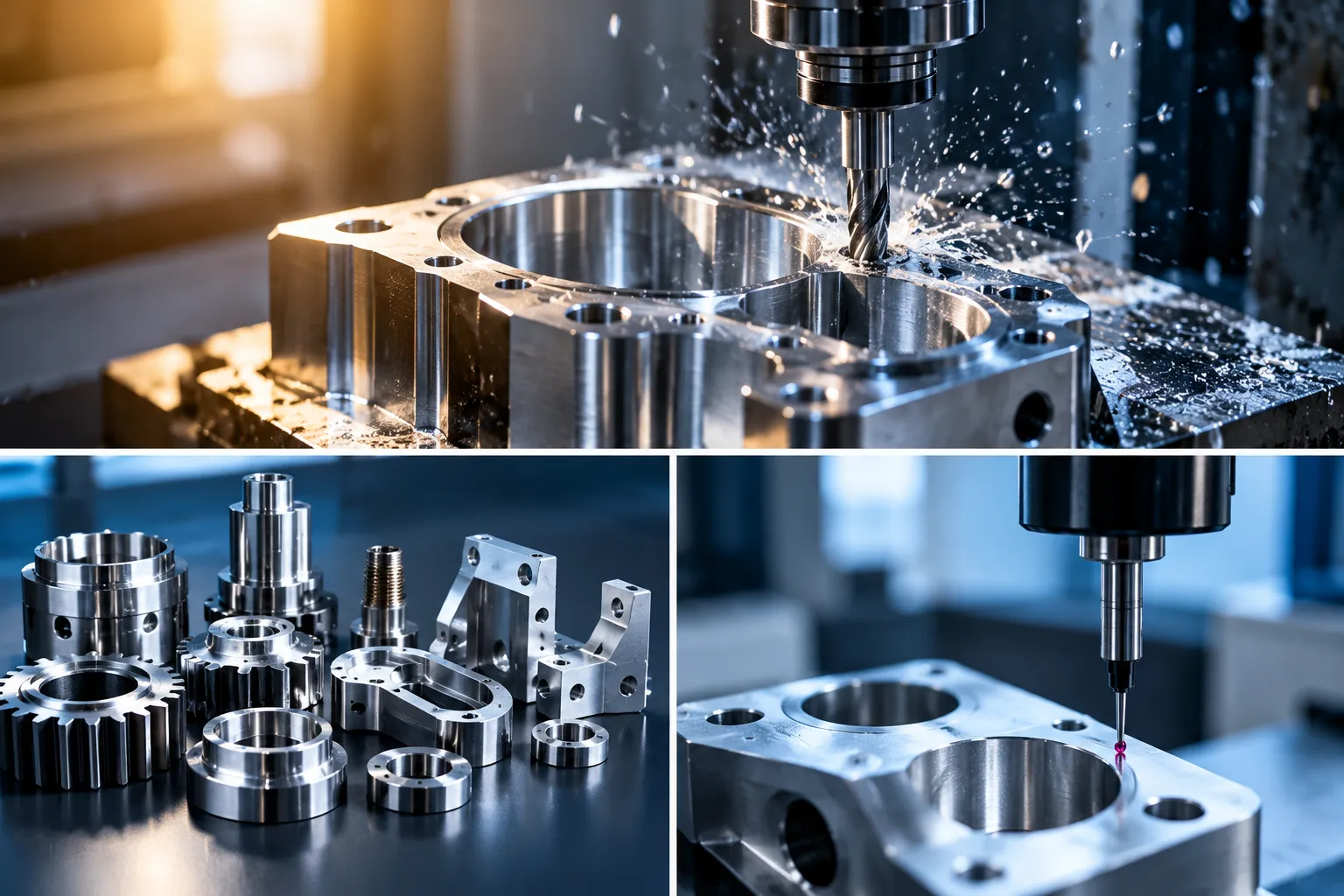
Surface finish is a critical factor in determining the durability, functionality, and reliability of industrial metal components. Beyond visual appearance, surface texture influences friction, wear resistance, corrosion protection, and mechanical performance.
When manufacturing metal parts, engineers must carefully control surface roughness and finishing processes to meet demanding application requirements. Poor surface quality can accelerate component failure, increase maintenance costs, and reduce operational efficiency.
How Does Surface Finish Affect Metal Component Performance?
Surface finish describes the microscopic texture and irregularities present on a manufactured component. These characteristics directly influence how metal surfaces interact under mechanical stress.
1. Reduces Friction and Mechanical Wear
Precision metal components frequently operate under continuous movement, pressure, and friction.
An appropriately controlled surface finish helps:
- Minimize excessive friction between contacting surfaces.
- Reduce premature wear in moving assemblies.
- Support consistent lubrication performance.
- Improve operational efficiency and component longevity.
However, excessively smooth surfaces are not always ideal, particularly where lubricant retention is essential.
2. Improves Corrosion Resistance
Surface imperfections can create areas where moisture, chemicals, and contaminants accumulate.
Suitable finishing processes help reduce corrosion risks by improving surface condition and preparing components for protective coatings.
Common treatments include:
- Anodizing: Enhances corrosion resistance in suitable aluminum alloys.
- Passivation: Improves the corrosion resistance of stainless steel surfaces.
- Electropolishing: Removes microscopic surface irregularities and improves surface cleanliness.

Why Is Surface Roughness Critical in Precision Manufacturing?
Surface roughness is commonly evaluated using parameters such as Ra and Rz.
These measurements help manufacturers maintain consistent surface characteristics across production batches.
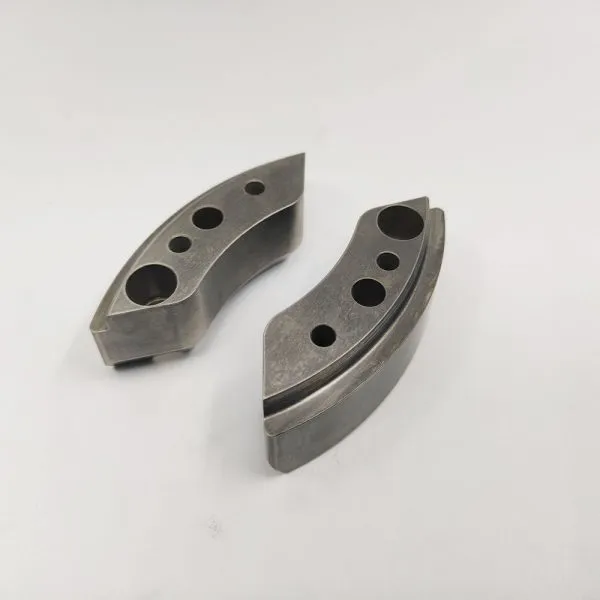
Selecting appropriate specifications for a cnc turning workpiece is particularly important to ensure dimensional accuracy, superior surface finish, and reliable performance in aerospace components, automotive assemblies, hydraulic systems, and precision machinery.
How Can Manufacturers Optimize Surface Finish?
Manufacturers should implement a systematic finishing strategy based on component functionality.
Recommended engineering practices:
- Define surface roughness requirements during component design.
- Select machining processes compatible with material properties.
- Optimize cutting speeds, feed rates, and tool geometry.
- Apply grinding, honing, or polishing where necessary.
- Verify finished surfaces using calibrated roughness measurement equipment.
Experienced precision machining providers can integrate these controls into their manufacturing workflows to deliver consistent component quality.
FAQ: Surface Finish in Metal Manufacturing
Does a smoother surface always improve component performance?
No. The ideal surface texture depends on operating conditions, lubrication requirements, sealing characteristics, and mechanical loading.
Can surface finish influence fatigue resistance?
Yes. Surface defects and machining marks can create stress concentrations that accelerate fatigue crack initiation.






















Sign in to leave a comment.