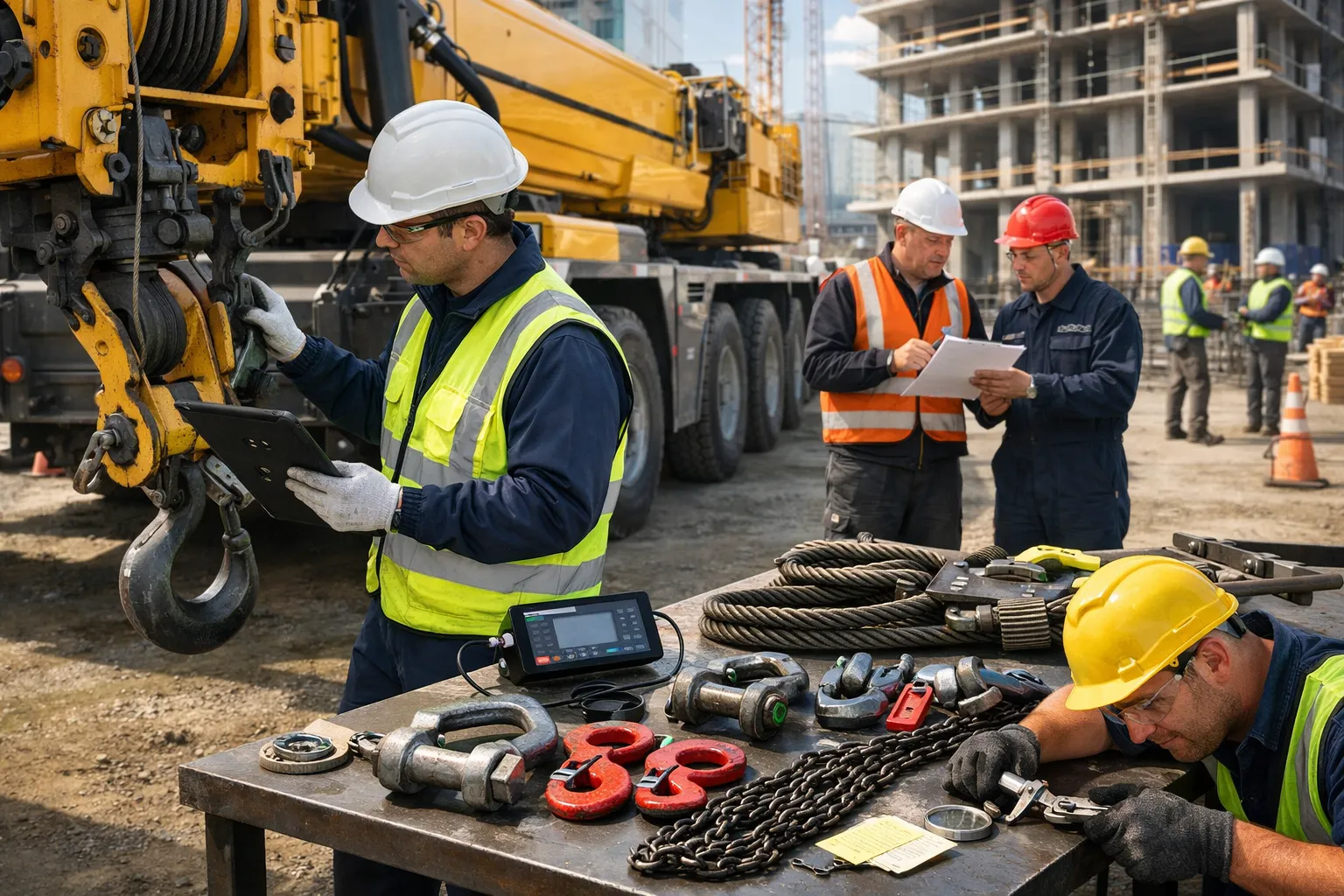

Before any lifting activity begins, every piece of lifting equipment should be checked carefully. Many industries depend on cranes, hoists, lifting accessories, and other lifting tools to move heavy materials safely. Lifting Equipment Inspection Companies in Abu Dhabi help industries understand the condition of their equipment through professional inspections. A proper third-party inspection gives an independent review of the equipment and helps identify problems before lifting work starts. This process supports safer work practices and helps reduce unexpected equipment failures during site operations.
What Is a Third-Party Lifting Equipment Inspection?
A third-party lifting equipment inspection is an inspection carried out by an independent inspection company. The inspector checks whether lifting equipment is in good working condition and suitable for use.
Unlike internal inspections, a third-party inspection provides an unbiased assessment. Inspectors examine different parts of the equipment, including hooks, chains, slings, wire ropes, lifting beams, shackles, and other lifting accessories. They also look for signs of wear, corrosion, cracks, loose parts, or damage that could affect safe operation.
The inspection usually includes both a visual examination and functional checks. After the inspection, the inspector prepares a report that records the condition of the equipment.
Why Equipment Should Be Inspected Before Site Operations
Construction sites, factories, warehouses, and industrial facilities often involve heavy lifting tasks. If damaged equipment is used, it may create serious safety risks for workers and nearby property.
Inspecting lifting equipment before work begins helps identify issues that may not be visible during normal use. Small defects can become larger problems if they are ignored. Finding these issues early allows maintenance or repairs to be completed before lifting operations start.
This simple step helps create a safer working environment and supports smooth daily operations.
Common Problems Found During Inspections
Third-party inspections often discover problems that operators may not notice during routine use.
Some common findings include:
- Worn lifting chains
- Damaged wire ropes
- Bent hooks
- Loose bolts
- Corrosion on metal parts
- Cracked lifting accessories
- Missing safety labels
- Signs of excessive wear
Even a small defect can reduce the strength of lifting equipment. Regular inspections help identify these issues before they affect lifting performance.
How Independent Inspections Improve Safety
Independent inspectors follow established inspection procedures and carefully examine lifting equipment without influence from daily site activities.
Their objective assessment helps ensure that equipment is checked consistently. This reduces the chance of important defects being overlooked.
When lifting equipment is confirmed to be in good condition, workers can perform lifting tasks with greater confidence. Safe equipment also helps reduce unexpected work interruptions caused by equipment problems.
The Importance of Inspection Records
Inspection reports provide useful information about the condition of lifting equipment over time.
These records may include:
- Equipment identification
- Inspection date
- Observed defects
- Parts that require attention
- Inspection results
- Recommendations for maintenance
Keeping inspection records makes it easier to monitor equipment history. It also helps maintenance teams plan repairs before problems become more serious.
Well-organized records support better equipment management and improve long-term reliability.
Benefits of Finding Problems Early
Early detection is one of the biggest advantages of third-party inspections.
When problems are found early, equipment can be repaired before the damage becomes worse. This helps reduce unexpected breakdowns and allows lifting work to continue with fewer interruptions.
Regular inspections also help extend the working life of lifting equipment because damaged parts can be addressed before they lead to larger failures.
Preventive inspections are often easier to manage than dealing with unexpected equipment damage during active site operations.
Equipment That Commonly Requires Inspection
Many different types of lifting equipment should be inspected before they are used.
Examples include:
- Mobile cranes
- Overhead cranes
- Chain blocks
- Wire rope slings
- Synthetic web slings
- Shackles
- Hooks
- Lifting beams
- Eyebolts
- Hoists
Each item plays an important role during lifting work. Regular inspections help confirm that every component is suitable for its intended use.
Supporting Better Site Operations
Safe lifting operations depend on reliable equipment. When equipment is inspected before work begins, site teams can better understand its condition and prepare for lifting activities with fewer unexpected issues.
Third-party inspections also encourage consistent maintenance planning. Instead of waiting for equipment problems to appear during work, inspections provide useful information that supports better planning and equipment care.
A well-maintained lifting system helps improve workflow while supporting safe handling of heavy loads across different types of industrial sites.
Before lifting work begins, Lifting Equipment Inspection Companies in Abu Dhabi provide independent inspections that help identify equipment defects, support safer lifting activities, and improve confidence in the condition of lifting equipment used across construction, industrial, and maintenance projects.





















Sign in to leave a comment.