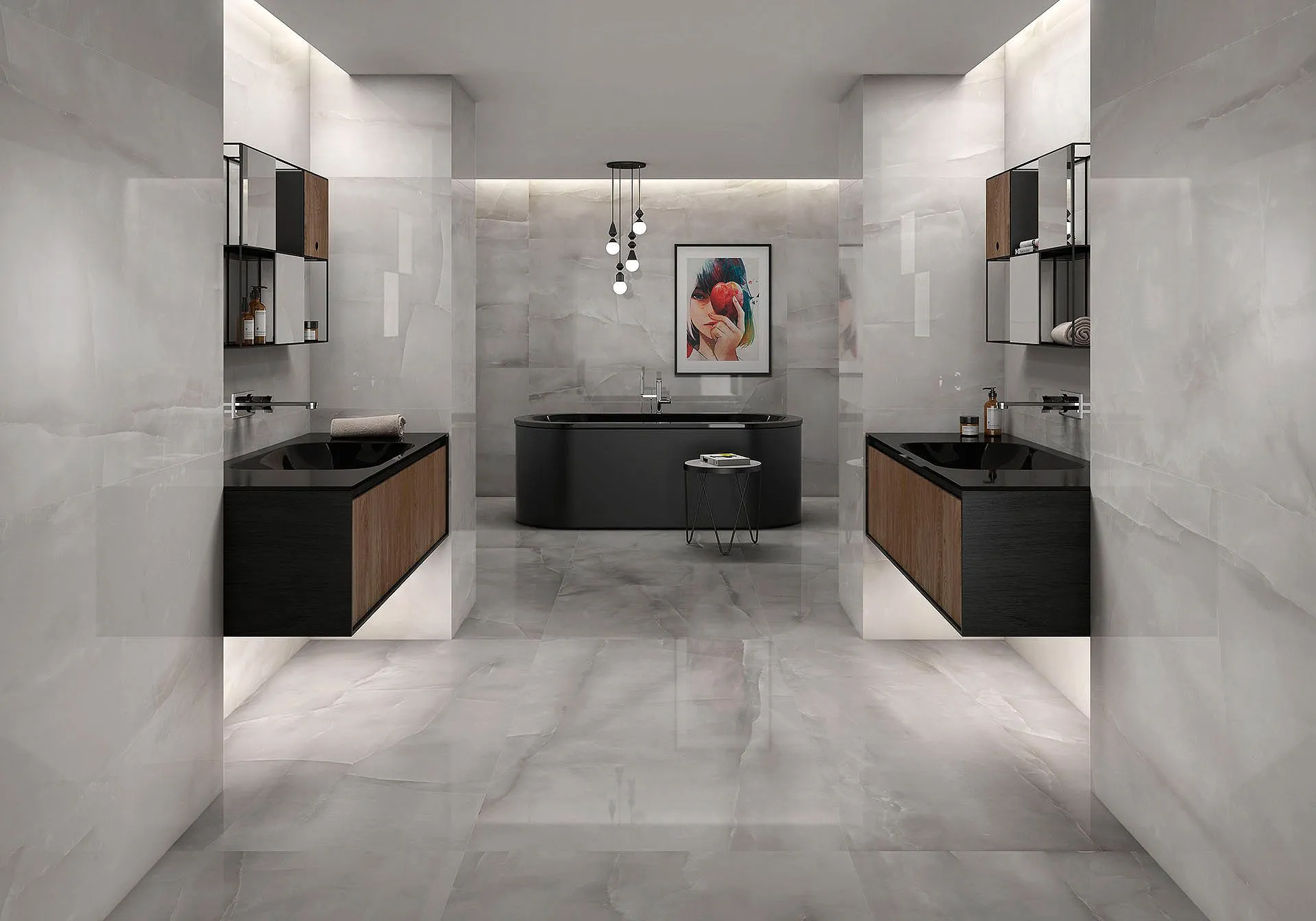

Ask experienced tilers which flooring materials hold up well over time, and Italian porcelain is likely to come up; not because it’s trendy, but because it’s reliable. Italian porcelain tiles are popular in modern London homes because they combine decades of manufacturing precision with genuine day-to-day durability, giving homeowners the look of marble, wood, or stone without the upkeep those materials demand. If you’re weighing it up against the alternatives before committing to a full renovation, here’s what's actually behind the reputation.
What Are Italian Porcelain Tiles Made From?

Porcelain tiles are made from refined raw materials, including clay, feldspar, and silica/quartz, which are pressed and fired at high temperatures to create a dense, low-porosity material. The result is a tile with water absorption below 0.5%, which means it barely takes on moisture at all. That’s what gives porcelain its strength and its resistance to chipping, staining, and general wear.
Italian manufacturers have been refining this process for generations, and it shows in the consistency of the finish: colour runs true edge to edge, surfaces are dead flat, and batches match reliably. It matters enormously when you’re tiling a full kitchen floor and can’t afford mismatched tones halfway across the room.
Why Italian Porcelain Tiles Work Well in London Homes
Porcelain is particularly well suited to London’s housing stock. Period conversions often come with damp-prone bathrooms and uneven subfloors, and porcelain’s low porosity makes it better suited to these spaces than natural stone, which needs regular sealing to cope with the same conditions.
It also works well with underfloor heating, making it a practical option for homes where this type of heating system is installed. Porcelain conducts and retains heat efficiently without the cracking risk that some natural materials carry. This is one of the reasons porcelain floor tiles have become a common choice in busy, high-footfall hallways and open-plan kitchen-diners, where they hold up far better over time than softer flooring options, which tend to show wear within a couple of years.
Marble, Wood and Stone Effect Porcelain Tiles: Which Style Suits Your Home?

This is where porcelain has become a genuine alternative to natural materials. Modern printing and glazing techniques mean today’s effect tiles are difficult to distinguish from the real thing until you’re standing right on top of them.
If you’re after a classic look, Lasa Blanco Polished and Somata Bianco Polished give you the veined, high-shine finish of Italian marble, suited to a hallway or bathroom. For something warmer underfoot, Maglibec Natural replicates aged oak boards closely enough that most visitors won’t realise it’s porcelain. And if your taste runs more industrial or Scandinavian, Planet Grey Natural brings a soft, cement-like texture that suits open-plan living spaces without feeling cold or clinical.
With porcelain effects, you’re not compromising on style to get the practicality, but you’re getting both.
Are Italian Porcelain Tiles More Durable Than Natural Stone?
In most everyday respects, yes. Natural stone is porous, which means it needs sealing on a regular basis and can still stain from spills such as red wine or turmeric if left too long. Porcelain doesn't have that issue. It won't etch, it won't absorb spills, and it holds its colour and finish for years without any maintenance routine beyond a normal cleaning. For a busy household, that means less upkeep overall.
Where to Buy Italian Porcelain Tiles in London

Tiles can be hard to judge from a screen; colour, texture, and how light catches a polished versus a natural finish all shift depending on where you’re standing. It’s worth seeing a physical sample before committing to a full order, ideally in a showroom that stocks a genuine range of Italian porcelain rather than a handful of display boards.
London has a number of specialist tile suppliers where you can see and handle the material firsthand, compare finishes side by side, and get advice on which option will suit your particular space before you order.
Conclusion
The appeal of Italian porcelain comes down to a simple trade-off most London homeowners are happy to make: pay a little more upfront for a floor that looks the part and needs very little maintenance afterwards. Whether you're renovating a period bathroom or laying a new kitchen floor, it's a material that holds up well both in terms of style and practicality.
FAQs
Are Italian porcelain tiles worth the cost?
For most London homes, yes. They cost more upfront than budget ceramic but last significantly longer and need none of the ongoing maintenance natural stone requires, which usually makes them cheaper over the life of the floor.
Do Italian porcelain tiles work with underfloor heating?
Yes. Porcelain conducts heat efficiently and is stable enough to handle the expansion and contraction that comes with underfloor systems, making it one of the safer flooring choices to pair with them.
How do Italian porcelain tiles compare to Spanish or UK-made tiles?
Quality varies by manufacturer rather than country alone, but Italian producers have a long-standing reputation for tighter tolerances, more consistent colour matching, and finer detail in effect tiles, which is why they remain the benchmark many other manufacturers are compared against.
Can Italian porcelain tiles be used in bathrooms and kitchens?
Absolutely. Their low water absorption makes porcelain bathroom tiles one of the best-suited options for exactly these rooms, on both floors and walls.

























Sign in to leave a comment.