

Halloween Day lands on Saturday, October 31, and many homes are already swapping bright ceiling lights for warm lamp glow. If you own an older lamp, the shade matters as much as the base. A bare or frayed edge can make a good lamp look unfinished. The right trim fixes that quickly. This guide explains how Lampshade Fringe works on older lamps, which styles fit which shades, and how to attach it safely.
What Is Fringe Trim and Why Does It Matter on a Vintage Lamp?
Fringe is an edge trim made from threads, silk, chiffon, or strung beads. It hangs from the bottom rim of a shade and moves slightly with air and light.
On a vintage lamp, trim does more than decorate. It hides the raw edge where fabric meets the wire frame and softens the shape of the shade. It also adds a little weight, which helps the fabric hang straight.
Why Do Vintage Lamps Look Better With Beaded Trim on Halloween Day?
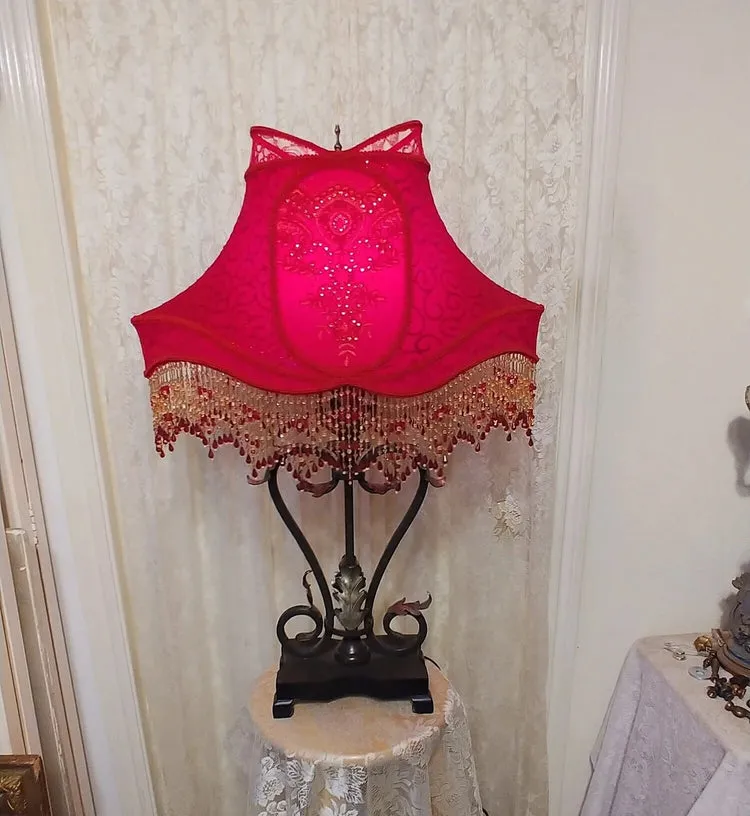
Halloween Day decorating leans on warm, low light. A beaded edge catches that light and throws small points of color onto walls and tabletops. Glass beads in gold, amber, or copper sit well next to candles, dried leaves, and pumpkins.
A rustic cabin lamp fits the season naturally. Dark wood, brass bases, and silk shades set the mood without plastic props. Many people searching for vintage lamp restoration ideas this month want something that works on October 31 and still looks right in November.
What Makes the Warrior & Indian Maiden Cabin Lamp a Good Restoration Example?
The Lamp Shade Lady shop in Roseville, California, lists a Warrior & Indian Maiden vintage cabin lamp that shows how the parts of a restoration work together. The shade sits on an original 1920s wire frame. The base is a brass-plated double socket lamp that has been completely rewired.
The shade uses the Crystalline process, where tiny glass beads about the size of sugar grains are applied to the artwork. This gives the art a glow whether the lamp is on or off. Golden silk chiffon covers the shade, and a 6-inch glass bead fringe in gold and copper repeats the colors in the fabric. The center panels are also raised about 1.5 inches to frame the art.
The lesson is simple. Trim colors pulled from the shade look planned, while a random color looks added on.
Which Fringe Style Works Best for Decorative Lamp Shades?
Not every trim suits every shade. Match the style to the size, fabric, and age of the shade:
- Beaded fringe: strung glass beads, usually 3 to 6 inches long. Best for silk and chiffon on Victorian and Art Deco shades.
- Silk tassel fringe: soft threads that suit traditional and cabin-style shades.
- Bullion fringe: thick twisted cord for larger, heavier shades.
- Ball fringe: small pom-poms for casual or mid-century shades.
As a rule of thumb, keep the drop to about one-third of the shade height or less. A 6-inch drop works on a tall shade but overwhelms a small one. For decorative lamp shades, scale matters even more than style.
How Do You Measure and Attach Trim to a Lamp Shade?
Follow these steps for a clean result:
- Measure the bottom rim with a flexible tape and add 1 inch for overlap.
- Pin the trim in place first and step back to check the drop.
- Start at the back seam so the join stays hidden.
- Sew with small stitches or use fabric glue. Heavy beaded trim holds better when sewn.
- Fold the cut end under so it does not fray.
- Let glue cure for 24 hours before turning the lamp on.
Beginners can watch the how-to lampshade videos to see each step done on a real shade.
Which Trim Suits a Vintage Lamp Restoration Project?
Restoration means keeping the original look and repairing what is worn. So trim should match the lamp’s age, not just its color. Glass beads and silk suit shades from the early 1900s. Shiny plastic trim does not.
For most projects, the Best Lampshade Fringe for Vintage Lamp Restoration is trim that matches the shade’s age, fabric weight, and metal tones. Gold or copper beads pair well with brass bases. If the frame is original, sew the trim to the fabric instead of the wire so the frame stays untouched.
If the frame is bent or rusted, look at the Victorian wire frames or a lampshade kit before adding any trim.
How Do You Keep Fringe Safe Around Light Bulbs?
Heat and fabric should never share a tight space. Keep these points in mind:
- Use LED bulbs. They run far cooler than incandescent bulbs.
- Make sure the bulb sits well inside the frame and does not touch the fabric.
- Keep paper decorations and fake cobwebs away from every lamp on Halloween Day.
- Replace cracked or brittle cords. Old wiring is a bigger risk than trim.
If you are unsure about vintage lamp rewiring, hire a licensed electrician.
How Can You Care for Beaded Fringe After Restoration?
Dust the trim with a soft brush or a hair dryer on the cool, low setting. Do not soak beaded trim, because water can loosen threads and stain silk. Spot clean with a barely damp cloth if needed.
Keep the lamp out of direct sunlight to prevent fading. Check for loose beads once a season and re-stitch right away. When storing a shade, wrap it in acid-free tissue.
Where Can You Learn Handmade Lampshade Making in California?
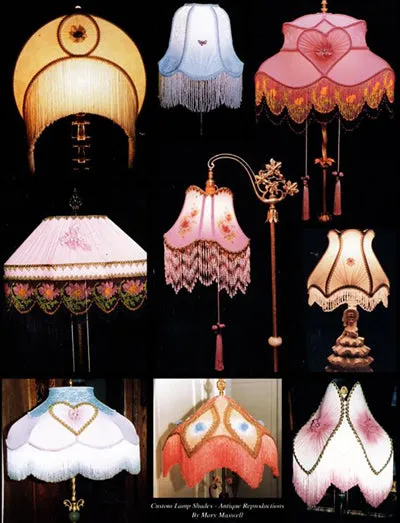
Lamp Shade Lady is based in Roseville, California 95678, and teaches handmade lampshades through video lessons, kits, and supplies. You can browse lampshade supplies, see Mary’s originals, or read about Mary to learn her background. California shoppers can order online and start a project at home.
Final Thoughts
A good trim finishes a lamp. Pull colors from the shade, keep the length in proportion, and put safety first. For Halloween Day or any other season, Lampshade Fringe chosen well makes a vintage lamp look complete. Browse more decorative lamp shades at Lamp Shade Lady and start your next restoration.
FAQs
1. What is fringe on a lamp shade used for?
It finishes the bottom edge, hides raw seams, and adds weight so the fabric hangs evenly. It also adds color and texture.
2. How long should fringe be on a lamp shade?
Keep the drop at about one-third of the shade height or less. Taller shades can handle 4 to 6 inches.
3. Can you add beaded trim to an old silk shade?
Yes. Test a small spot first, and sew the trim in place instead of using heavy glue on fragile silk.
4. Is glass bead fringe too heavy for a small shade?
It can be. On small shades, choose a shorter drop or lighter silk tassel trim.
5. What glue works best for attaching trim?
Use a flexible fabric glue. Hot glue can melt or stain thin silk and chiffon.
6. Should I sew or glue trim on a vintage shade?
Sewing is safer for heavy beads and valuable shades. Glue works for light trim on sturdy fabric.
7. Are LED bulbs safe with fabric shades?
LED bulbs produce much less heat than incandescent bulbs, so they are the better choice for fabric and trim.
8. How do I clean dusty beaded trim?
Brush it gently with a soft brush, then spot clean with a barely damp cloth. Avoid soaking.
9. What trim colors go with a brass lamp base?
Gold, amber, copper, and cream beads match brass well and keep the lamp looking consistent.
10. Can I use fringe on a Halloween Day lamp display?
Yes, but keep paper decorations and cobwebs away from bulbs. Use an LED bulb for extra safety.
11. Where can I find vintage lamp restoration supplies in California?
Lamp Shade Lady in Roseville sells frames, kits, and supplies online, so California shoppers can order from home.
12. Does Lamp Shade Lady offer lessons for beginners?
Yes. The shop offers how-to videos that walk through lampshade making step by step.
13. Can I restore a 1920s wire frame lamp shade?
Often, yes. Clean the frame, fix bent wires, replace fabric, and add trim that matches the era.
14. How much does a restored vintage lamp cost?
Prices vary by age and detail. At the time of writing, the Warrior & Indian Maiden cabin lamp is listed at $590.
15. How do I rewire a vintage lamp safely?
Use a UL-listed cord and a proper socket. If you are not confident, hire a licensed electrician.
















Sign in to leave a comment.