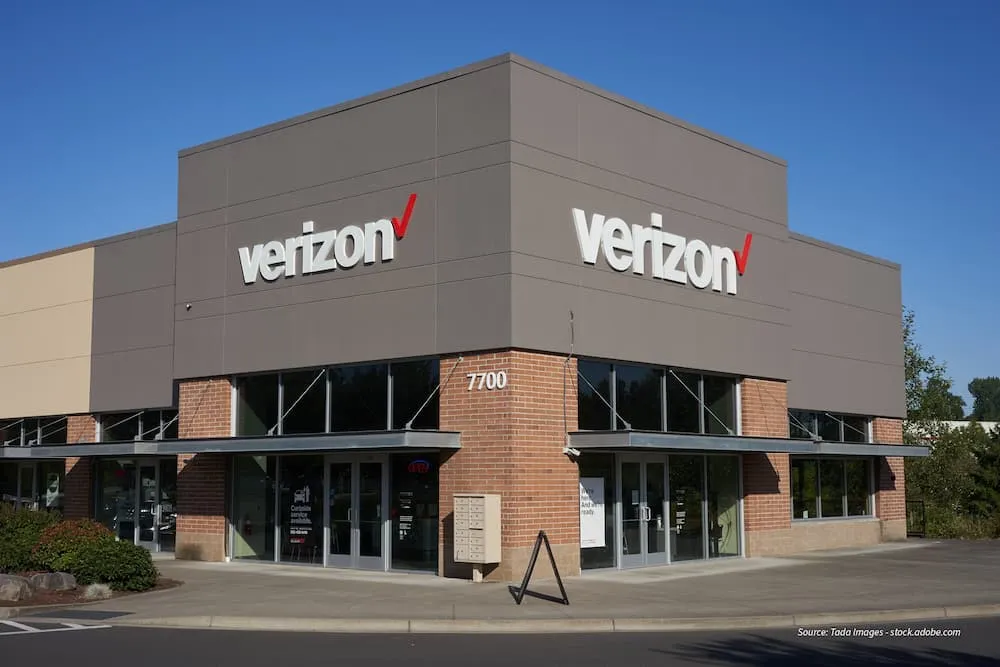

Location is one of the most important considerations in commercial real estate because accessibility, visibility, surrounding demographics, and infrastructure can directly influence property demand. For investors examining Verizon Wireless real estate, location becomes particularly significant because wireless related properties can include retail stores, network facilities, tower sites, and rooftop installations. Each type of property depends on specific physical and market characteristics. A strong location can support long term usability, income potential, tenant retention, and resale value, making geographic analysis an essential part of investment due diligence.
Understanding the Importance of Location
Accessibility and Visibility
Commercial properties perform differently depending on how easily customers, employees, service providers, and equipment can reach them. Retail locations generally benefit from strong visibility, convenient entrances, adequate parking, and proximity to major roads. Network facilities have different requirements because technical coverage and infrastructure access may be more important than traditional customer traffic. Investors should therefore understand the property's specific purpose before assessing whether its location provides a competitive advantage.
The importance of Verizon Wireless real estate location can be seen in the different criteria used for network facilities. Official property guidelines indicate that potential tower sites generally need convenient access to paved public roads, appropriate zoning, and continuous access to the facility. Rooftop locations also have specific requirements involving building height, zoning, roof capacity, equipment space, and year round accessibility. These requirements demonstrate why location analysis extends beyond simple traffic counts or visibility.
Evaluating Retail Trade Areas
Population and Consumer Activity
Retail wireless properties often depend on surrounding consumer activity and convenient access. Investors can review population density, household growth, income levels, employment centers, retail development, traffic patterns, and nearby complementary businesses. Areas experiencing population and commercial growth may provide stronger long term demand than locations facing declining economic activity. A property's position within the broader trade area can also influence future leasing opportunities if the current occupant eventually changes.
For investors considering Verizon Wireless real estate, a detailed trade area analysis can reveal whether a property benefits from established consumer activity. Properties located near major shopping corridors, residential communities, and employment centers may have broader commercial appeal. Investors should also examine competing retail locations and planned developments because new construction can either strengthen an area or increase competition. Evaluating both current conditions and future development can provide a more complete understanding of the property's location quality.
Examining Network Infrastructure
Technical Location Requirements
Wireless network properties differ from conventional retail buildings because their value can depend heavily on technical coverage requirements. A tower or rooftop facility may be positioned in a particular location because it helps provide network coverage or capacity within a specific geographic area. Moving such infrastructure may require alternative sites, regulatory approvals, engineering work, and significant investment. Consequently, a strategically positioned site can have characteristics that differ considerably from ordinary commercial real estate.
The investment characteristics of Verizon Wireless real estate can therefore depend on the property's role within a communications network. Official information indicates that network real estate arrangements can involve towers, distributed antenna systems, small cells, rooftop locations, land, and other facilities. Investors should understand exactly what is being leased, how the site is used, and what rights are granted under the agreement. This information can help determine whether the location provides durable utility and income potential.
Considering Lease Characteristics
Location and Lease Duration
A strong location does not automatically create a strong investment. Investors should connect geographic quality with lease terms, remaining duration, rental payments, escalation provisions, renewal options, termination rights, and maintenance responsibilities. A strategically positioned property with a short remaining lease may have a different risk profile from a similarly located asset with a long contractual term. Lease analysis should therefore complement location research rather than being performed separately.
When evaluating Verizon Wireless real estate, investors should determine whether the property's lease structure supports predictable income and how long the current contractual arrangement is expected to continue. Current corporate filings indicate that network leases can have remaining terms ranging from one year to thirty years, with some agreements containing extension or termination options. The specific lease remains the critical document, because individual properties can have substantially different terms and obligations.
Analyzing Road Access and Connectivity
Transportation Infrastructure
Road access can influence the value of many commercial properties, particularly retail locations. Easy entry and exit can improve customer convenience, while proximity to major intersections can enhance visibility. For network facilities, access is also important because technicians and service providers may need to reach equipment throughout the year. Properties that lack reliable access can create operational complications and potentially reduce their attractiveness to future users.
The role of accessibility in Verizon Wireless real estate can be especially important for network sites. Official site criteria emphasize continuous access to communications facilities, while property submissions are expected to include directions and distances from major intersections. Investors can therefore evaluate road conditions, access rights, easements, surrounding development, and potential restrictions when reviewing a property. Understanding these factors can help determine whether the location will remain practical for ongoing operations.
Reviewing Zoning and Land Use
Regulatory Considerations
Zoning can have a direct impact on commercial property value because it determines what activities are permitted on a site. A property may have strong physical characteristics but limited investment potential if local regulations restrict its current use or potential redevelopment. Investors should review zoning classifications, permitted uses, setback requirements, height restrictions, signage regulations, and relevant communication facility rules before acquiring a property.
For Verizon Wireless real estate, zoning is particularly relevant to network infrastructure. Official site requirements state that land and rooftop properties must have zoning that permits communication facilities. Investors should verify these conditions rather than assuming that an existing installation guarantees unrestricted future use. Changes to local regulations can also affect expansion, replacement, modification, or redevelopment possibilities. Professional zoning and legal review can help identify restrictions that may influence long term property value.
Assessing Surrounding Development
Growth and Future Demand
Surrounding development can influence commercial real estate performance over time. New residential communities, office projects, shopping centers, transportation improvements, and public infrastructure can increase activity around an existing property. Investors should examine planned developments as well as completed projects because future changes may materially affect traffic patterns, demographics, and property demand. A location that appears average today may become more valuable as the surrounding area develops.
Investors examining Verizon Wireless real estate can review local development plans to determine whether future growth may improve the property's position. Recent transactions involving net leased wireless retail properties have highlighted growing markets and long lease commitments as factors supporting investor interest. However, development projections should be treated carefully because proposed projects can face delays, financing challenges, or cancellation. Conservative underwriting should account for both current fundamentals and realistic future scenarios.
Considering Resale Potential
Underlying Real Estate Value
Resale potential is an important consideration because investment value extends beyond current rental income. Investors should determine whether the location would remain attractive to other users if the existing tenant or network operator eventually vacates. Retail properties with strong visibility, flexible layouts, and desirable surrounding demographics may appeal to multiple prospective occupants. Land and strategically positioned sites can also have value independent of their current use.
For Verizon Wireless real estate, investors should identify whether the asset's underlying location has broader commercial utility. A retail building in a strong corridor may attract other users, while a specialized communications site may derive much of its value from network requirements and contractual rights. Understanding this distinction can help investors estimate downside risk. Properties with strong alternative use potential may provide additional protection, although investors should always account for vacancy periods, conversion costs, leasing expenses, and regulatory requirements.
Evaluating Property Condition
Physical Characteristics
Physical condition can influence both current operations and future investment costs. Investors should inspect roofs, structural components, mechanical systems, electrical infrastructure, parking areas, access roads, landscaping, and other improvements. Network properties may require additional evaluation of equipment areas, structural loading, utility connections, security features, and access arrangements. Identifying physical limitations early can prevent unexpected expenses from affecting projected returns.
A complete analysis of Verizon Wireless real estate should consider whether the existing property can continue supporting its intended use without significant capital investment. For rooftop sites, structural capacity and equipment space can be especially important, while land based facilities may require adequate access and utility infrastructure. Official criteria for potential rooftop locations include minimum building height, roof loading capacity, equipment space, and continuous access. These characteristics demonstrate why physical due diligence should accompany financial analysis.
Understanding Location Related Risk
Market Changes and Competition
No location remains completely unchanged over time. New roads, competing businesses, population shifts, redevelopment, zoning changes, and economic cycles can alter a property's commercial environment. Investors should consider both current advantages and possible future challenges. A location with strong traffic today may become less accessible after road changes, while a currently underdeveloped area may experience significant growth. Scenario analysis can help investors prepare for these possibilities.
Investors researching Verizon Wireless real estate should also distinguish between operational location risk and market risk. A retail property may depend on customer traffic, while a communications site may depend more heavily on technical coverage and infrastructure requirements. Verizon's network real estate department manages contractual arrangements involving cellular sites, including leases, licenses, easements, and subleases. Understanding the specific agreement and the property's operational purpose can help investors identify which location risks are most relevant.
Conducting Thorough Due Diligence
Combining Location and Financial Analysis
Location analysis should ultimately be integrated into the broader investment underwriting process. Investors should combine demographic research, traffic analysis, zoning review, property inspections, lease evaluation, comparable sales, financing assumptions, and future use analysis. No single factor can determine whether a property represents a sound investment. Instead, the interaction between location quality and financial terms determines whether expected returns appropriately compensate for the risks involved.
Before purchasing Verizon Wireless real estate, investors should verify all important property and lease information through appropriate documentation and professional review. Lease agreements, easements, surveys, title records, zoning documents, environmental reports, inspection findings, and financial statements can provide valuable information. Investors should also consider how the property fits within their broader portfolio objectives. A strategically located asset with appropriate lease terms and reasonable pricing may offer attractive long term potential, while an expensive property with limited flexibility could carry substantially greater risk.
Conclusion
Location can significantly influence the long term value of commercial real estate because accessibility, visibility, demographics, infrastructure, zoning, surrounding development, and alternative use potential all affect an asset's usefulness. Investors considering Verizon Wireless real estate should understand whether they are evaluating a retail property, tower site, rooftop facility, or another network related asset because each category has different location requirements and risks. Official site criteria demonstrate the importance of zoning, road access, equipment space, building characteristics, and continuous accessibility for communications facilities. By combining location analysis with lease review, property due diligence, financial modeling, and portfolio planning, investors can make more informed decisions about potential income and long term value. NNN Trends by Equity CRE can provide useful insights for investors researching commercial real estate opportunities and income focused investment strategies.
























Sign in to leave a comment.