
A birthday party with balloons popping. A crowded mall with music blaring overhead. A school assembly with hundreds of chattering voices. For most children, these are just part of everyday life. But for a sensory-sensitive child, the same environments can feel like an assault on the senses leading to meltdowns, shutdowns, or a desperate need to escape.
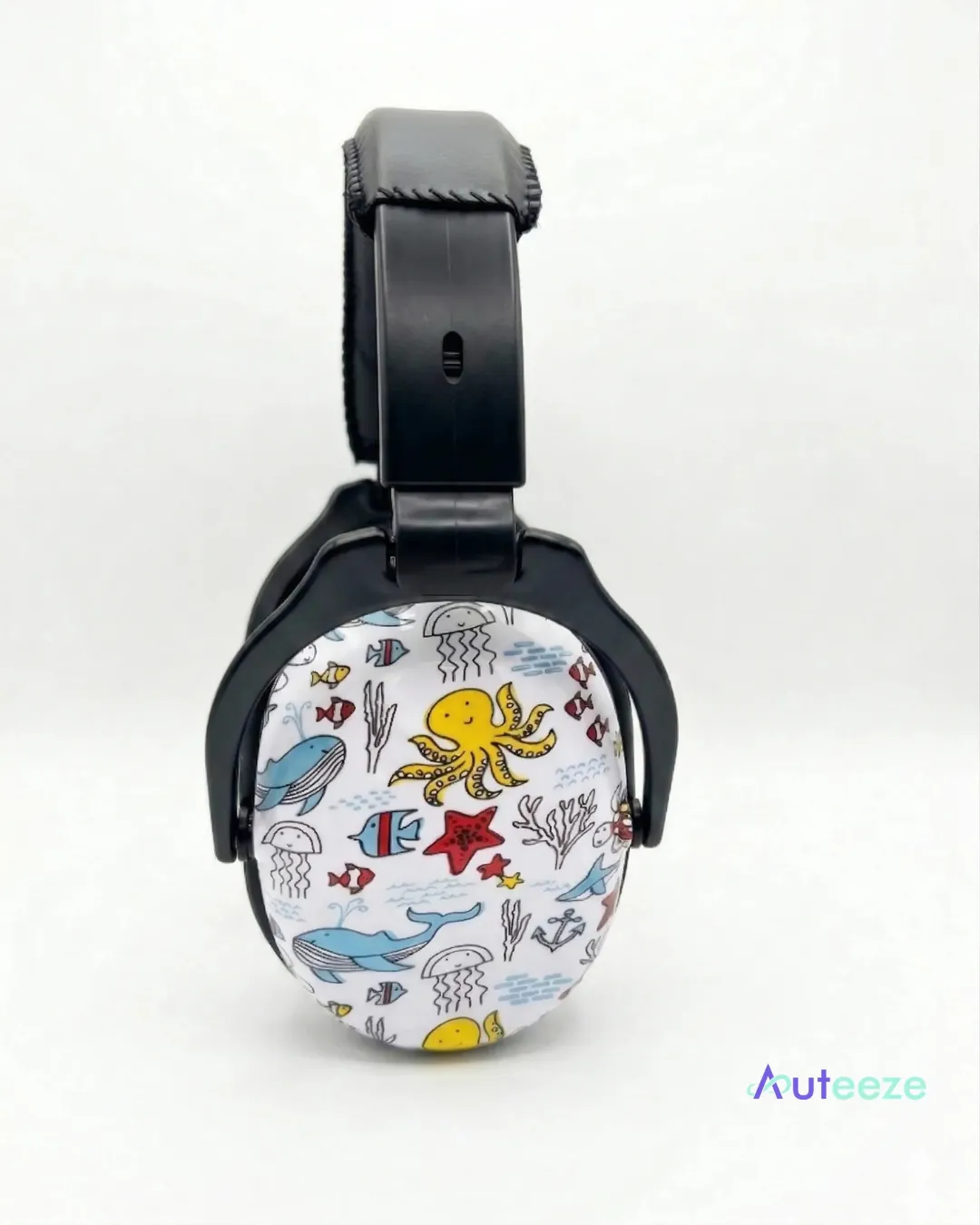
If you've ever wondered why your child covers their ears at a fireworks show while other kids cheer, or melts down in a noisy classroom that doesn't seem loud to you, you're not imagining things. There's real science behind why sound affects sensory-sensitive children so differently and understanding it is the first step to helping them cope, whether through preparation, routine, or practical tools like a well-fitted pair of kids' noise canceling ear muffs.
Understanding Sound Sensitivity in Children
Auditory sensitivity, sometimes called hyperacusis or sound sensitivity, is common in children with autism, ADHD, anxiety disorders, and sensory processing differences. It isn't about being "dramatic" or "overreacting." Their nervous systems genuinely process sound differently than a typically developing child's does.
The Science of Sound Overload
Most people's brains automatically filter out background noise, the hum of an air conditioner, distant traffic, and overlapping conversations so they can focus on what matters. For a sensory-sensitive child, this filtering system doesn't work the same way. Every sound arrives with nearly equal intensity, all at once. Instead of hearing "a party," they hear music, laughter, clinking dishes, chairs scraping, and a dozen conversations simultaneously all layered on top of each other with no way to tune anything out.
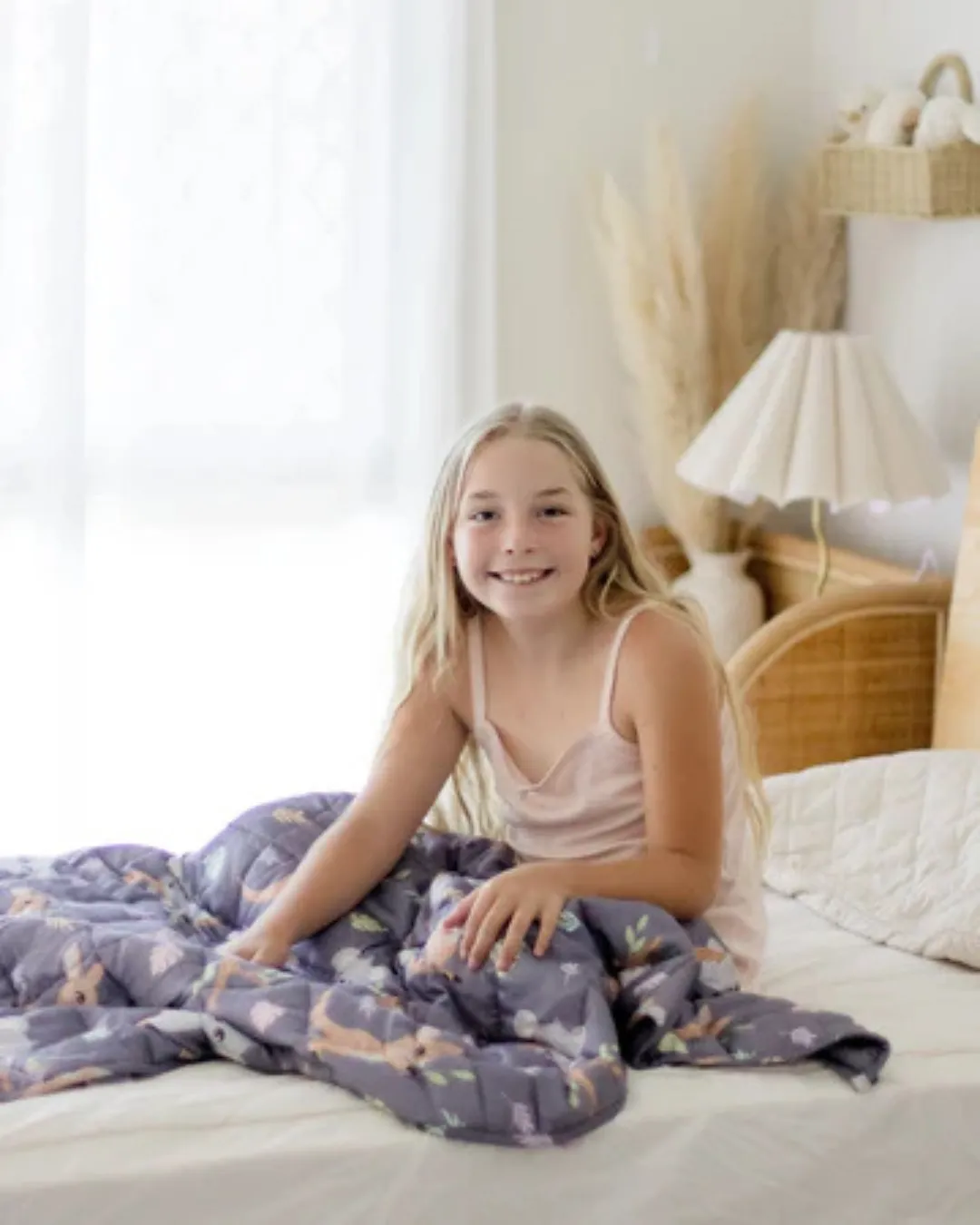
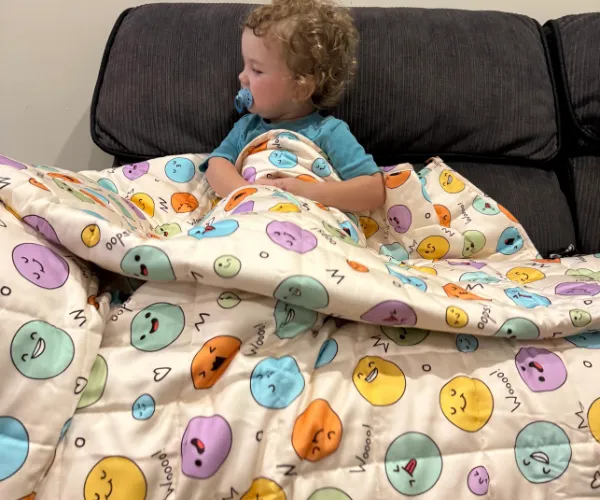
This flood of unfiltered input triggers the body's stress response. Heart rate increases, cortisol rises, and the child moves into fight, flight, or freeze mode. What looks like a tantrum from the outside is often a genuine physiological overload happening on the inside, and it's often not limited to sound. Many sensory-sensitive kids experience this same kind of overload through touch and pressure too, which is why calming tools like a bamboo weighted blanket are frequently used alongside auditory supports to help the nervous system settle back down.
Everyday Environments That Can Trigger Overwhelm
Sound overload doesn't just happen in obviously loud places. It can sneak up in situations that seem ordinary to everyone else.
Fireworks and Celebrations
Sudden, sharp, unpredictable bangs are one of the hardest sounds for sensitive kids to tolerate. The unpredictability is often just as distressing as the volume itself, since the child can't brace for when the next boom will come.
Birthday Parties and Social Gatherings
Balloons popping, singing, party favors, and excited chatter combine into a wall of sound. Add unfamiliar surroundings and social pressure, and it's easy to see why parties can go from fun to overwhelming in minutes.
Shopping Malls and Grocery Stores
Overhead announcements, music, cart wheels, and crowd noise create constant, layered stimulation with no clear pattern the brain can predict or filter.
Classrooms and School Assemblies
Group work, shuffling chairs, hallway noise, and packed assemblies are a daily challenge for many sensory-sensitive students, sometimes making it hard to concentrate or even stay in the room.
How to Help a Sensory-Sensitive Child Cope
The goal isn't to shield a child from every sound forever; it's to give them tools that make navigating the world feel manageable.
1. Prepare Before Loud Events
Whenever possible, give a heads-up about noisy situations. Explaining what to expect at a fireworks show or a school assembly can reduce anxiety, since predictability itself lowers stress for sensory-sensitive kids.
2. Build in Quiet Breaks
Identify a quiet space at parties, malls, or school where your child can retreat if things become too much. Even five minutes of quiet can help reset an overwhelmed nervous system.
3. Use Sound-Reducing Tools
This is where practical gear can make an enormous difference. A pair of well-fitted sets of noise-reducing ear muffs can take the edge off overwhelming environments without cutting your child off from the people around them. Unlike simply avoiding loud places altogether, ear protection lets kids stay engaged in family events, celebrations, and school activities while managing the volume their nervous system can actually handle.
4. Support Regulation Beyond the Ears
Auditory overload often doesn't happen in isolation; it's frequently part of a bigger picture of sensory overwhelm that includes touch, pressure, and routine changes. Many parents find that pairing tools like earmuffs with calming aids such as a soft, breathable weighted blanket helps their child regulate more fully, especially when the overstimulating day needs to end in a calm, comfortable wind-down.
Building a Sensory Toolkit That Works
Every sensory-sensitive child is different, and coping strategies often need to be layered rather than relying on a single fix. Noise-reducing tools, predictable routines, quiet retreat spaces, and calming sensory aids at home all work together to help a child feel more in control of their environment.
Final Thoughts
Loud environments aren't going away, but a sensory-sensitive child doesn't have to be at their mercy. By understanding the science behind sound overload and building a toolkit that includes practical solutions like noise-canceling ear protection and calming sensory supports at home, parents can help their kids participate more fully in the moments that matter without the overwhelm.



























Sign in to leave a comment.