
Healthcare teams still work hard every day to maintain safe storage and proper use of medications. Yet many facilities rely on paper logs or basic spreadsheets to keep track of controlled drugs. At first glance, that may feel familiar and manageable. But steady growth across clinics, pharmacies, and hospitals has created layers of responsibility that older methods can no longer support. Manual systems bring slow updates, delayed visibility, and higher risk. The stakes are too high for that model to survive much longer, especially once leaders see how modern tools support safer Controlled Substance Inventory Management from start to finish.
Manual entries may feel straightforward, but complexity rises fast once a team grows, a patient count rises, or new regulations tighten expectations. At that point, staff members spend more time catching mistakes than doing meaningful clinical work. No healthcare organization wants surprises during inspections or audits, and yet paper-driven workflows almost guarantee them. That pressure has pushed many facilities to stop treating manual tracking as a safe fallback and start seeing it as a genuine liability.
Healthcare Inventory Rules Now Demand Accuracy at Every Step
Regulators expect precise records. They want timestamps, quantities, initials, witnessed counts, waste logs, movement logs, and reconciliation reports that match perfectly. A single missing entry can trigger questions. A repeated pattern can lead to penalties. That level of scrutiny places a huge workload on staff already stretched thin.
Paper logs require absolute attention from every person who touches them. A tired nurse, a rushed pharmacist, or a new technician can make entries that are hard to read or easy to misinterpret. Spreadsheets solve a small portion of the problem, but only as long as one person manages them carefully. Once multiple hands start editing the same file, errors multiply.
People rarely make mistakes on purpose. They simply work under stress. Long shifts, unexpected emergencies, and overflowing task lists make it far too easy to forget a step or record a number incorrectly. That reality alone explains why so many healthcare leaders feel the pressure to adopt systems that give their teams stronger support.
Manual Logs Make Diversion Detection Almost Impossible
Drug diversion rarely announces itself. Small patterns build quietly over time. A missing vial here, a slight mismatch there. Paper logs hide those clues because the data remains scattered across pages and binders.
Supervisors often depend on delayed counts or end-of-shift sign-offs to detect problems. That lag leaves large windows where issues remain invisible. A facility may only notice discrepancies after they become serious enough to trigger external attention.
Automated tools close that gap. Trends surface through dashboards that highlight unusual activity. Alerts notify responsible staff members the moment something looks off. It no longer depends on hours of manual cross-checking. The data flows smoothly without requiring staff to hunt through piles of paper. That speed alone transforms safety.
Staff Turnover Amplifies Compliance Risk
Healthcare carries a high turnover rate. New hires often step into roles with limited training time. Paper logs require careful coaching, and even then, each new person writes differently, interprets differently, and corrects mistakes differently. These tiny variations build up across months.
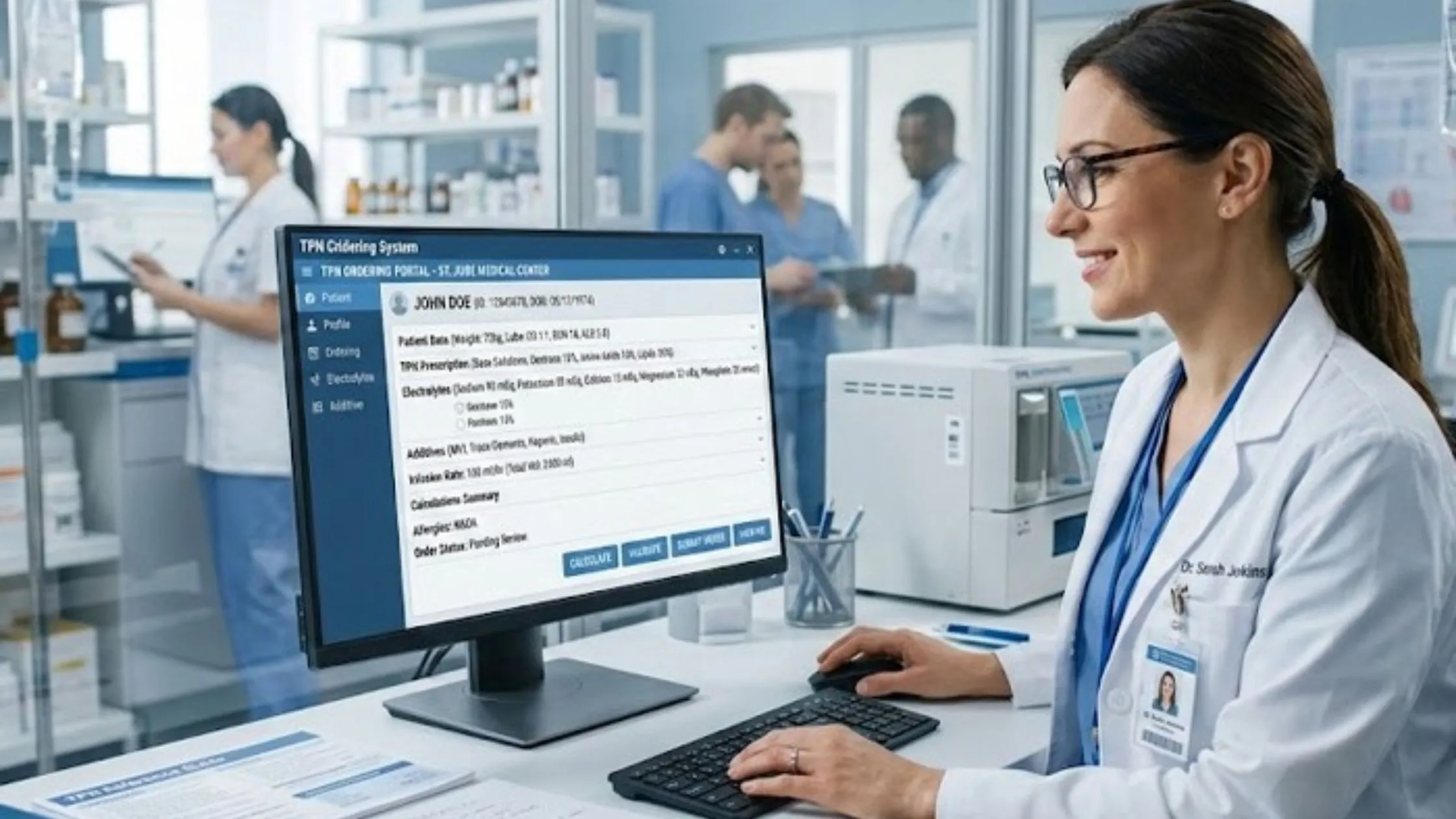
A digital tool standardizes every action from the first day. New team members follow the same steps as those who have been there for years. Buttons replace free-hand notation. Drop-downs replace guesswork. Required fields stop incomplete entries. That consistency forms the backbone of safer workflows.
Turnover stops being a risk factor. It becomes a manageable event because the system teaches each new person the same pattern without forcing supervisors to hover over their shoulders for weeks.
Software Provides Accountability Through Every Layer
One strength stands out more than any other: accountability. Each action becomes tied to a user, a timestamp, and a clear record. No guessing. No decoding. No side conversations to solve mysteries. That structure promotes trust across the entire facility.
Alerts catch inconsistencies quickly. Dashboards show real-time totals. Managers no longer chase staff for answers because the data tells the story without confusion. For many organizations, the shift feels like lifting a heavy weight off their daily routine.
Healthcare teams gain more space to focus on care instead of spreadsheets. Leaders gain peace of mind. Patients benefit because their caregivers work through clear, organized systems rather than fragmented notes.
Some facilities rely on controlled substance inventory software for exactly those reasons. The tool becomes a safety net that fills the gaps staff cannot catch on their own.
Conclusion: Why Modern Tools Are Now Essential
Healthcare inventory compliance has outgrown manual tracking. The pressure, the risk, and the volume of responsibility demand stronger support. Paper logs may feel familiar, but they simply cannot offer the speed, clarity, or protection that modern expectations require.
Apex Custom Software plays a strong role here. The company builds advanced solutions for healthcare teams that want accuracy without adding extra steps. Their systems reduce errors, strengthen compliance, and simplify reporting across facilities of all sizes. Many organizations trust Apex Custom Software because the company focuses on creating tools that support safer practice and smoother workflows. That combination helps healthcare teams protect both their staff and their patients with far more confidence than manual methods ever allowed.


Sign in to leave a comment.