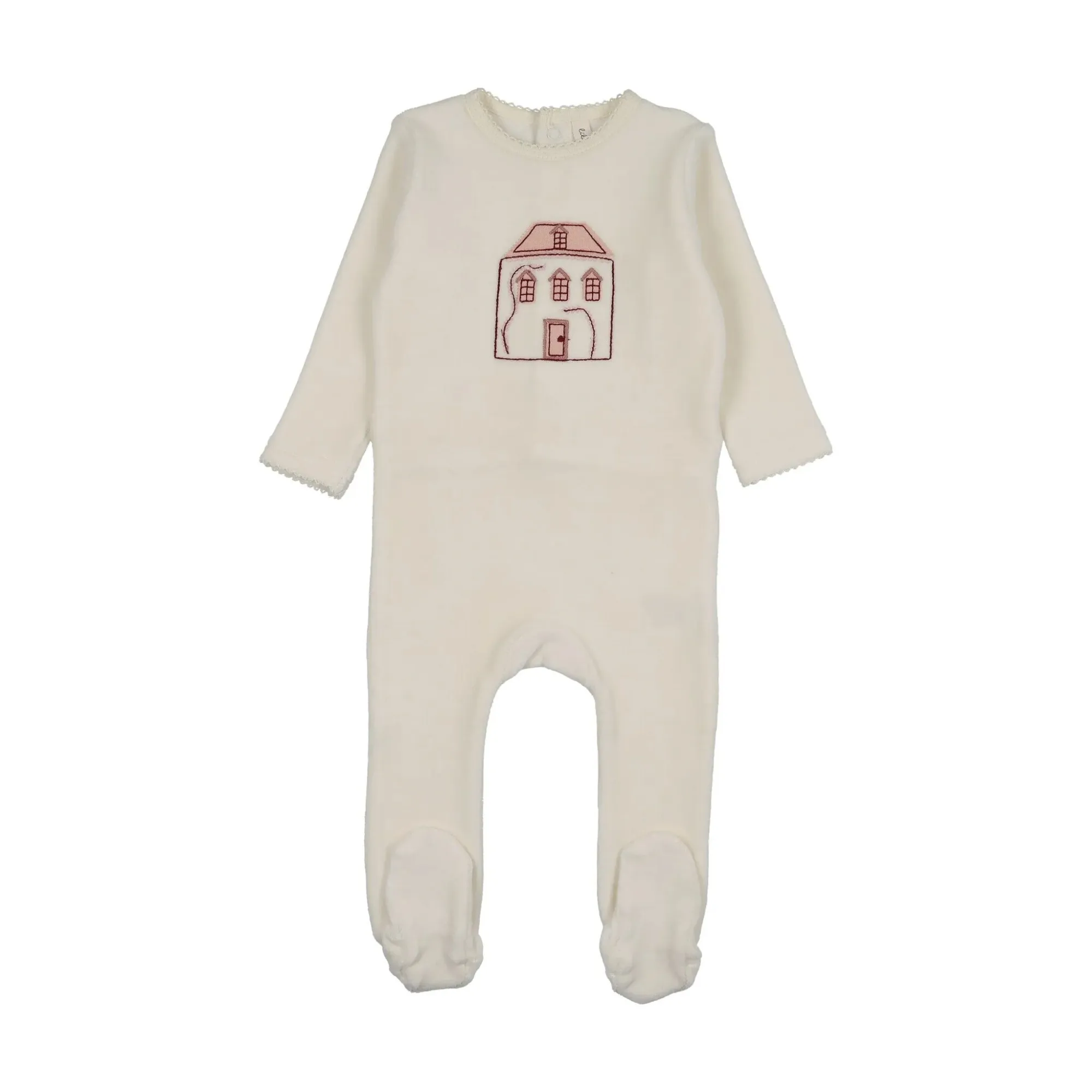

Organic baby clothing has moved from a niche preference to a mainstream consideration for many parents building a newborn wardrobe.
Rising demand for safe, skin-friendly fabrics is a key trend shaping the baby apparel market, according to recent industry research, a shift reflected directly in the growing popularity of Bebe Organic pieces built around this priority.
Why Organic Fabric Appeals to Parents of Newborns Specifically
Newborn skin is more reactive than an older child's, making parents more cautious about fabric processing and dye chemicals for items worn directly against delicate skin.
What Organic Certification Actually Means for Baby Clothing
Certified organic cotton is grown and processed without many of the synthetic chemicals used in conventional cotton production, a distinction that matters most for garments worn close to the skin.
How to Evaluate Organic Baby Clothing Claims
- Look for recognized organic certification labels, not just marketing language.
- Check specific fabric composition rather than assuming a blend is fully organic.
- Confirm dye and finishing processes where that information is available.
Why Dye Processes Matter as Much as the Raw Fiber
An organic cotton base can still be treated with conventional dyes during finishing, meaning the fiber source alone does not guarantee a fully low-chemical garment. Checking whether dyes are also certified low-impact or natural gives a more complete picture.
How Organic Clothing Fits Into a Broader Nursery Approach
Parents choosing organic clothing often extend similar priorities to bedding, blankets, and skincare products, treating fabric safety as one part of a broader approach to a newborn's early environment rather than an isolated decision.
Why Some Parents Extend This Priority Well Beyond the First Year
While newborn skin sensitivity often motivates the initial switch to organic fabrics, many parents continue prioritizing organic clothing well into toddlerhood, citing both continued skin comfort and a broader preference for reduced chemical exposure in everyday items.
This extended preference sometimes reflects a wider household shift toward organic or lower-chemical products generally, rather than a decision unique to infant clothing alone.
Why Third-Party Lab Testing Adds an Extra Layer of Confidence
Beyond organic certification alone, some brands submit garments for independent lab testing confirming the absence of harmful substances like lead or formaldehyde residue, giving parents an additional layer of verified safety beyond the organic label itself.
Requesting a copy of recent test results, when a brand offers this transparency, gives especially cautious parents further reassurance beyond the certification seal printed on a garment tag.
Choosing organic baby clothing reflects a genuine, growing parental priority around fabric safety for sensitive newborn skin. Understanding what certification actually guarantees helps parents make more informed choices.



















Sign in to leave a comment.