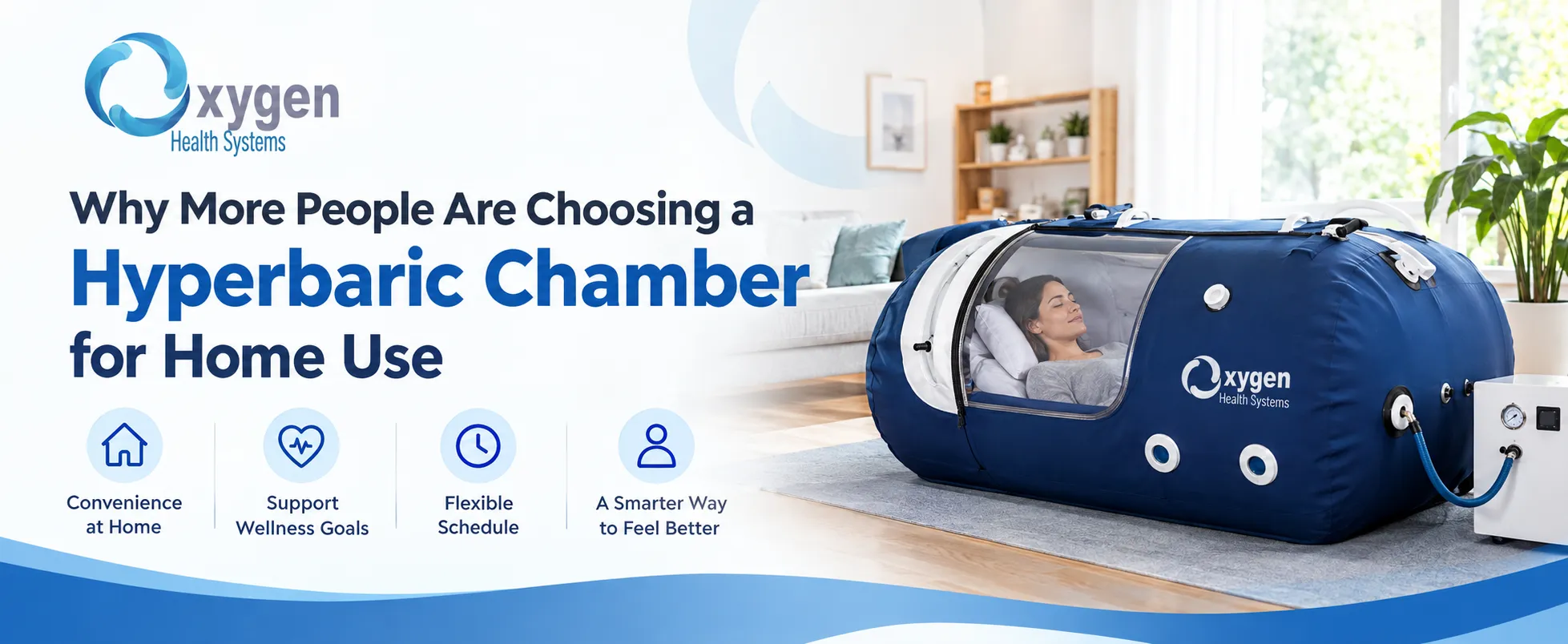

Hyperbaric oxygen therapy (HBOT) has traditionally been associated with hospitals, specialized clinics, and medical treatment centers. Today, however, growing interest in personal wellness and at-home health technologies has led more people to explore the option of a hyperbaric chamber for home use. These chambers are designed to provide a controlled environment where users can breathe oxygen under increased atmospheric pressure, depending on the type and configuration of the equipment.
For people researching home-based wellness solutions, understanding how hyperbaric chambers work, what features matter, and what safety considerations apply can help them make more informed decisions.
What Is a Hyperbaric Chamber?
A hyperbaric chamber is an enclosed system that increases the pressure around the user. During hyperbaric oxygen therapy, the increased pressure can allow oxygen to dissolve into blood plasma and other body fluids at levels that are not possible under normal atmospheric conditions.
Hyperbaric chambers are available in different designs and pressure levels. Some are soft-sided and intended for mild hyperbaric applications, while others are rigid, hard-shell systems capable of reaching higher pressures. Medical HBOT and wellness-oriented mild hyperbaric systems should not automatically be considered interchangeable.
Before purchasing equipment, users should understand the chamber's intended purpose, operating pressure, oxygen-delivery method, certifications, and applicable regulatory requirements.
Why Consider a Hyperbaric Chamber for Home Use?
One of the biggest reasons people investigate a hyperbaric chamber for home use is convenience. Visiting a clinic for every session can require considerable time, particularly for individuals who live far from a treatment center or have demanding schedules.
Having equipment at home may provide greater flexibility around personal routines. Depending on the chamber and its intended use, users can potentially incorporate sessions into a consistent schedule without traveling to a facility each time.
However, convenience should not be the only consideration. Home hyperbaric equipment represents a significant purchase, and users should carefully evaluate whether the equipment is appropriate for their intended application.
Different Types of Home Hyperbaric Chambers
The home hyperbaric market includes several chamber designs. Understanding these differences is important because pressure capability, construction, space requirements, and operating procedures can vary considerably.
Soft chambers are generally lightweight and easier to install than rigid systems. They are commonly associated with mild hyperbaric applications and may be attractive to people who prioritize portability and simpler installation.
Hard-shell chambers use rigid construction and are typically designed for higher pressure capabilities. They may provide a more substantial chamber environment but can require more space, careful installation, and additional equipment.
There are also sitting and vertical chamber designs that allow users to remain upright during a session. These configurations can be useful for people who prefer not to lie down for extended periods.
The right design depends on the user's intended application, available space, budget, pressure requirements, and professional guidance.
What Should You Look for Before Buying?
Choosing a hyperbaric chamber for home use requires more than comparing prices. Product specifications and safety features deserve careful attention.
Start by checking the chamber's maximum operating pressure and intended use. Make sure the manufacturer clearly explains whether the system is designed for medical treatment, mild hyperbaric applications, wellness use, or another purpose.
Construction quality is another important consideration. Examine the materials, pressure rating, windows, doors, seals, ventilation, emergency features, and overall manufacturing standards.
Users should also investigate applicable regulatory clearances or registrations. In the United States, medical devices may be subject to FDA requirements, but the regulatory status can differ depending on the specific device and intended use. Certification claims should therefore be verified rather than assumed.
After-sales support is equally important. A home chamber is a technical piece of equipment, so access to installation guidance, maintenance information, replacement components, and customer support can make a significant difference over time.
Safety Should Remain a Priority
Hyperbaric environments require careful attention to safety. Oxygen can increase fire risk, making appropriate materials, electrical components, oxygen-management procedures, and operating protocols especially important.
Users should follow the manufacturer's instructions and any recommendations provided by qualified healthcare professionals. People considering HBOT for a medical condition should discuss it with an appropriate healthcare provider rather than treating a home chamber as a substitute for diagnosis or conventional medical care.
It is also important to understand that not every condition has established evidence supporting home hyperbaric treatment. Claims about recovery, performance, aging, or other wellness outcomes should be evaluated carefully and based on reliable evidence.
Is a Home Chamber Right for Everyone?
A home chamber may appeal to people who value convenience and are interested in incorporating hyperbaric technology into their personal wellness routine. However, purchasing one is a substantial decision.
Potential buyers should consider how frequently the equipment will be used, where it will be installed, ongoing maintenance requirements, operating costs, and whether professional supervision is necessary for their particular situation.
A thorough comparison of specifications and safety information can help prevent buyers from choosing equipment based solely on marketing claims or a low purchase price.
Making an Informed Choice
The growing interest in a portable hbot chambers use reflects a broader trend toward bringing specialized wellness technologies into residential environments. Home chambers can offer convenience and flexibility, but the differences between chamber types make careful research essential.
Before making a purchase, compare pressure capabilities, chamber construction, oxygen-delivery systems, safety features, certifications, manufacturer support, and intended use. Most importantly, distinguish between established medical applications and claims that may have limited evidence.
For those exploring home hyperbaric equipment, Oxygen Health Systems provides information and options for people researching hyperbaric chambers and related equipment. Taking time to understand the technology before purchasing can help users select equipment that better matches their needs, space, and intended application.




















Sign in to leave a comment.