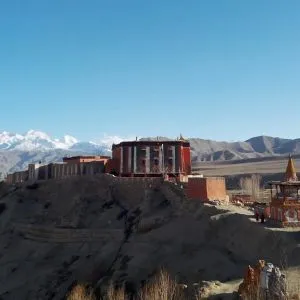

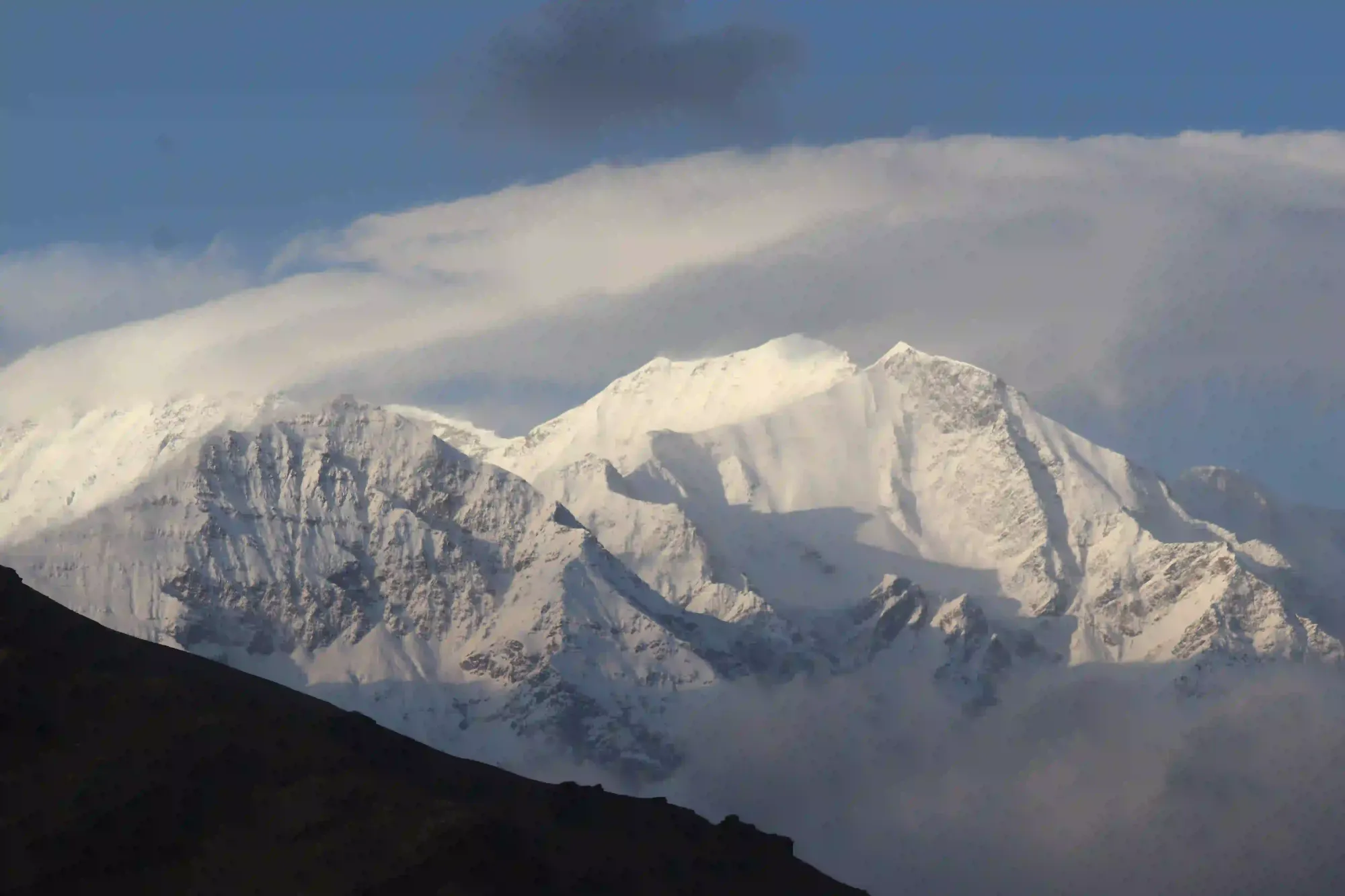
Somewhere behind the Annapurna range, past the point where the rivers turn the color of rust and the wind picks up like clockwork every afternoon, sits a kingdom that used to be forbidden to outsiders. That's Mustang Nepal in a nutshell, though a nutshell doesn't really do it justice. This is high desert terrain, all ochre cliffs and crumbling monasteries, and it feels less like Nepal and more like a lost corner of the Tibetan plateau that got dropped south of the border.
Most trekkers who make it here are chasing something specific. Not the lush rice terraces or the crowded teahouses of the Everest region. They want silence, space, and a landscape that looks like it belongs on Mars. Mustang Nepal delivers exactly that, and it does it without apology.
What Makes This Region So Different
Here's the thing about Upper Mustang: it was a restricted kingdom until 1992. Before that, almost no foreigner had set foot inside its walls in decades. The isolation preserved something rare, a living Tibetan Buddhist culture that has largely vanished elsewhere, even in parts of Tibet itself.
Walk through Lo Manthang, the old walled capital, and you'll see monks in maroon robes moving between centuries-old gompas, their walls still holding faded murals nobody has bothered to touch up. Nobody needed to. The dry climate does the preserving on its own.
That said, this isn't a trek for everyone. The trails climb high, often above 3,800 meters, and the wind doesn't care about your schedule. Mornings are calm. By early afternoon, gusts strong enough to knock over a loosely packed tent come rolling through the canyons. Experienced guides plan around this rhythm instinctively, which is part of why joining a proper Mustang Tour matters more here than in gentler regions.
Planning Your Route Through the Kingdom
Most itineraries begin in Jomsom, reached by a short flight from Pokhara that skims along one of the deepest gorges on the planet. From there, trekkers head north through Kagbeni, the last checkpoint before the restricted zone truly begins.
Interestingly enough, the landscape shifts almost immediately once you cross that line. Green disappears. What replaces it is a palette of red, ochre, and pale gold, canyons carved by wind rather than water, and the occasional flash of turquoise from a distant glacial stream.
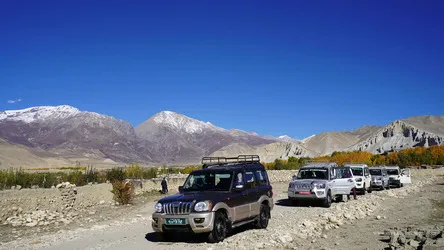
A well-structured Mustang Tour typically spans ten to fourteen days, though shorter jeep-based versions exist for travelers without the time or stamina for extended walking. Not everyone realizes this, but you can experience much of Upper Mustang's magic by vehicle now, since a rough road connects most major villages. Purists still walk. There's something about arriving at Lo Manthang on foot, dust on your boots, that a jeep ride simply can't replicate.
The Cultural Layer Nobody Talks About Enough
What many people overlook is how much this trip resembles a pilgrimage more than a trek. Locals still travel between villages for religious festivals, still herd yaks and mules along the same paths used for centuries of salt trade with Tibet. You're not just walking through scenery. You're walking through someone else's daily life, and that requires a bit of humility.
Chhoser Cave, a five-story man-made cavern carved into a cliff face, remains one of the most striking stops along the way. Historians still debate its exact original purpose, whether it served as a fortress, a monastery, or simple refuge during conflict centuries ago. Nobody has a definitive answer. Somehow that mystery adds to the appeal rather than detracting from it.
Best Time to Go
Unlike most of Nepal, Upper Mustang sits in a rain shadow, which makes it a genuinely good option even during monsoon season, when the rest of the country turns muddy and cloud-covered. June through September actually works well here, a rare exception in Himalayan trekking logic. Spring and autumn remain popular too, mostly for milder wind and clearer mountain views.
Winter closes most routes. Snow blocks the higher passes, and temperatures drop hard once the sun goes down. Anyone planning a Mustang Nepal adventure should aim for the warmer months unless they're specifically chasing that stark, empty winter light photographers occasionally rave about.
A Few Practical Notes
Permits matter enormously here. The Upper Mustang region requires a special restricted area permit, priced per day, on top of the standard TIMS card and Annapurna Conservation Area fees. This isn't a place you wander into casually. Independent trekking without a licensed guide isn't permitted either, partly for safety, partly to preserve the fragile cultural balance of the region.
At the same time, don't let the logistics discourage you. Working with an experienced local outfit handles most of this paperwork without much hassle, leaving you free to focus on the actual experience rather than bureaucracy.



















Sign in to leave a comment.