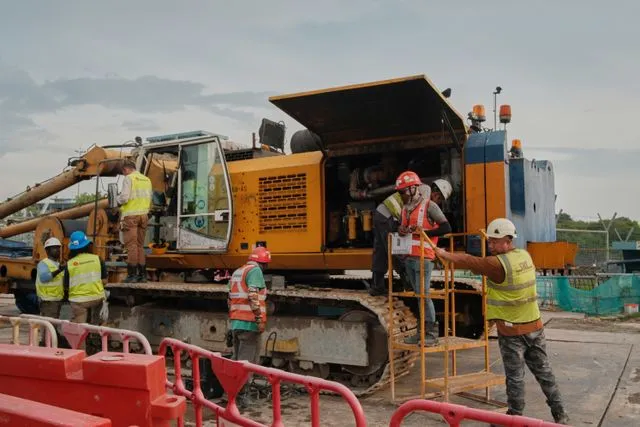

New construction shapes more than the physical appearance of a neighborhood. When planned thoughtfully, it can influence how people meet, move, gather, and build a shared sense of place. A building is not just a structure that adds homes, offices, or storefronts to a map. It can also create the conditions for stronger daily connections, better access to services, and a more stable foundation for long-term community life.
Communities are built through repeated interactions. Neighbors get to know one another when they cross paths in shared spaces, walk the same streets, support nearby businesses, and participate in local events. New construction can support these moments by filling gaps in the built environment, improving access to housing, and creating places where people naturally come together. As cities and towns continue to respond to changing housing needs, economic shifts, and evolving expectations around quality of life, construction has an important role to play in helping communities become more connected, resilient, and inclusive.
Creating Places Where People Can Connect
One of the most meaningful contributions of new construction is the opportunity to design for everyday interaction. Older development patterns often separated homes, shops, parks, and services in ways that made daily life more isolated and car dependent. Newer projects can take a different approach by placing residences, public spaces, local businesses, and community amenities closer together.
This does not require grand or complex design. Small choices can make a significant difference. A courtyard, a shaded walkway, a shared lobby, a pocket park, or ground-level retail can create natural meeting points. These places help transform a collection of individual households into a neighborhood where people recognize familiar faces and develop informal networks of support.
Expanding Housing Options for Different Stages of Life
A strong community needs housing that reflects the range of people who make it vibrant. Families, young professionals, older adults, students, service workers, and long-time residents may all need different types of homes at different price points. New construction can help address this by adding variety to the local housing supply.
Without new homes, communities can become difficult to enter or remain in. Rising demand, limited supply, and aging housing stock can place pressure on residents and reduce options for people who want to live near their work, family, school, or support systems. Thoughtful residential development can help communities adapt by offering homes that serve different household sizes, income levels, and lifestyle needs.
This is where multifamily construction can play a practical role when it is planned with care and connected to the broader neighborhood. Apartments, townhomes, mixed-income buildings, and diverse residential formats can make it possible for more people to live near jobs, transit, schools, parks, and local services. Housing diversity also supports continuity, allowing residents to stay in the same community as their circumstances change rather than being forced to move elsewhere when their needs evolve.
Supporting Walkable and Useful Neighborhoods
New construction can strengthen community life when it improves access to everyday needs. A neighborhood becomes more connected when residents can walk or bike to a grocery store, school, park, café, clinic, workplace, or transit stop. These patterns reduce isolation by making the public realm part of daily life.
Walkable design also supports more spontaneous interaction. People are more likely to greet neighbors, visit local businesses, and notice what is happening around them when they are moving through a neighborhood at a human pace. Streets, sidewalks, building entrances, lighting, and public spaces all shape whether people feel comfortable and encouraged to participate in community life outside their homes.
Revitalizing Underused Land With Purpose
Many communities have vacant lots, aging commercial properties, obsolete industrial sites, or underused parcels that no longer serve their surroundings well. New construction can bring these spaces back into active use and reconnect them to neighborhood life. When handled thoughtfully, this can create new homes, jobs, gathering places, and services while addressing physical gaps that may have contributed to disinvestment or fragmentation.
Revitalization should not mean erasing what already exists. Strong projects begin with an understanding of local history, resident priorities, and the needs of nearby businesses and institutions. Construction can support community building when it is guided by local context rather than imposed as a disconnected improvement.
Strengthening Local Identity and Shared Investment
New construction can also help communities express who they are and what they value. Architecture, materials, landscaping, public art, and the arrangement of shared spaces all contribute to local identity. A well-designed project can reflect the scale, character, and needs of its surroundings while still bringing something new and useful.
Community identity is not created by appearance alone. It also comes from participation. When residents, local organizations, and public stakeholders have meaningful opportunities to provide input, construction can become a shared process rather than a private transaction. This can build trust and help ensure that new development responds to real needs.
Conclusion
New construction is key to building community because it shapes the conditions that allow people to live well together. It can expand housing options, create places for connection, support walkable routines, bring underused land back into productive use, and strengthen local identity. When planned with care, new development does more than add square footage. It helps create the everyday settings where relationships, trust, and shared responsibility can grow.
The most successful projects are not defined only by how they look when completed. They are defined by how they function over time for the people who live near them, move through them, and depend on them. Building community requires attention to design, access, affordability, context, and long-term usefulness. New construction is not the only tool for strengthening neighborhoods, but it is one of the most visible and lasting ways to shape a more connected future.
























Sign in to leave a comment.