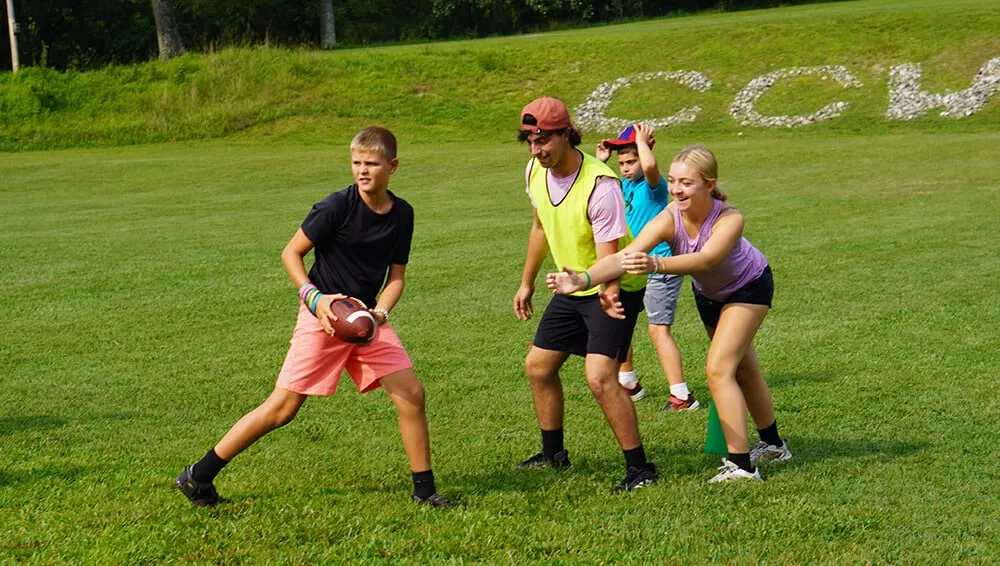

Summer is a wonderful time for children and teenagers to step away from screens, spend time outside, and discover new ways to learn. For families looking for Adventure education programs PA, outdoor activities can provide much more than entertainment. They give young people opportunities to explore nature, solve problems, work with others, build confidence, and develop practical skills through real experiences. Instead of learning only from books or classrooms, children can learn by doing, making outdoor summer activities a valuable part of personal and educational growth.
Learning Beyond the Classroom
Traditional classrooms provide important academic knowledge, but children also need opportunities to apply what they learn in real-world situations. Outdoor activities create natural learning environments where young people can observe, experiment, and make decisions.
A simple hike, for example, can introduce children to plants, animals, weather, geography, and environmental awareness. A camping activity can teach them about preparation, responsibility, navigation, and teamwork. These experiences make learning active rather than passive.
When children are encouraged to explore their surroundings, they often become more curious. They begin asking questions, looking for answers, and paying closer attention to the world around them. This curiosity can support learning in many areas long after the outdoor activity is over.
Building Confidence Through New Experiences
Trying something unfamiliar can be challenging for children. They may feel nervous about climbing, hiking a new trail, spending time away from home, or working with a group of people they do not know well. Successfully handling these experiences can have a positive effect on their confidence.
Outdoor activities give young people manageable challenges that encourage them to move beyond their comfort zones. Completing a difficult hike or learning a new outdoor skill can create a sense of accomplishment.
These small victories matter. A child who realizes they can overcome one challenge may become more willing to approach another. Over time, outdoor experiences can help develop resilience, independence, and a stronger belief in their own abilities.
Encouraging Problem-Solving Skills
Outdoor environments rarely follow a perfectly predictable plan. Weather can change, trails can become difficult, and activities may require participants to make decisions quickly. These situations provide valuable opportunities for children to practice problem-solving.
For example, a group navigating a trail may need to decide which direction to take. A team-building activity may require participants to develop a strategy before they can complete a challenge. Rather than simply being told what to do, children have to think about their options and work toward a solution.
This type of practical problem-solving can be especially valuable because children see the results of their decisions immediately. They learn that mistakes are not necessarily failures. Instead, mistakes can provide information that helps them try a different approach.
Developing Communication and Teamwork
Many outdoor summer activities involve cooperation. Whether children are completing a group challenge, setting up camp, exploring a trail, or participating in a team game, they have to communicate with others.
They may need to listen to instructions, explain their ideas, encourage teammates, or resolve disagreements. These experiences help children understand that successful teamwork depends on both speaking and listening.
Outdoor group activities can also bring children together who might not normally interact at school. Working toward a shared goal encourages them to recognize different strengths and perspectives. Over time, this can help develop stronger interpersonal skills and a greater appreciation for cooperation.
Supporting Physical Health
Outdoor activities naturally encourage movement. Hiking, swimming, climbing, running, paddling, playing games, and exploring trails can help children stay physically active during the summer months.
Regular physical activity supports overall health and can help children develop strength, coordination, balance, and endurance. Outdoor movement can also feel less like exercise when it is connected to an exciting activity or adventure.
This is particularly useful during summer, when children may otherwise spend long periods sitting indoors with phones, tablets, computers, or video games. Outdoor programs create structured opportunities for active play while still allowing children to have fun.
Connecting Children With Nature
Children who spend time outdoors have opportunities to develop a stronger connection with the natural environment. They can see how ecosystems work, observe wildlife, identify plants, and experience changing weather and landscapes firsthand.
This connection can encourage environmental awareness. When children become familiar with nature, they may develop a greater interest in protecting it.
Outdoor learning can also teach important lessons about responsibility. Children may learn why it is important to leave natural areas clean, respect wildlife, conserve resources, and follow safety guidelines. These lessons can become habits that influence how they interact with the environment in the future.
Encouraging Creativity and Curiosity
Nature provides an environment filled with possibilities. A forest trail can become an exploration route. A collection of leaves can inspire an art project. A campsite can become the setting for storytelling and group activities.
Unlike highly structured indoor environments, outdoor spaces often give children room to experiment and create. They can interact with their surroundings in different ways and develop their own ideas.
This freedom can support creativity. Children learn that there is not always one correct way to approach a challenge. They can test ideas, make adjustments, and discover solutions that work for them.
Teaching Responsibility and Independence
Outdoor activities often involve responsibilities that children may not encounter in their everyday routines. They may be expected to organize equipment, follow safety rules, keep track of personal belongings, help with group tasks, or make decisions during an activity.
These responsibilities encourage children to become more independent.
Rather than having an adult handle every task, children can learn to take ownership of appropriate responsibilities. This does not mean removing adult supervision. Instead, trained leaders can provide guidance while allowing young people to take an active role in their experiences.
That balance can help children understand how to make responsible decisions while knowing when to ask for help.
Building Resilience Through Challenges
Not every outdoor activity will be easy. A long hike may be tiring. A new skill may take several attempts to master. A team challenge may not work on the first try.
These moments can teach children an important lesson: progress often requires patience.
Outdoor experiences allow young people to practice perseverance in situations where the challenge is tangible. They can learn to take a break, reassess the situation, ask for guidance, and try again.
Resilience developed through these experiences can carry into other areas of life, including school, sports, friendships, and future responsibilities.
Creating Positive Summer Memories
Summer experiences often become memories that children carry with them for years. Outdoor programs can provide opportunities to make friends, discover new interests, overcome challenges, and experience places they may not visit with their families.
These memories can have value beyond the activity itself. A child may remember the first time they completed a challenging trail, worked successfully with a team, learned to navigate outdoors, or helped someone else during an activity.
Such experiences can contribute to a positive relationship with learning and exploration.
Give Young Minds an Adventure to Remember
For families searching for meaningful ways to keep children active, curious, and engaged during the summer, Outdoor adventure camps can provide an exciting combination of recreation and learning. Programs that bring together nature, teamwork, exploration, and age-appropriate challenges give children the chance to develop skills while having fun. Choosing an outdoor experience can be a great way to help young people discover new interests, build confidence, and create lasting summer memories.
Conclusion
Outdoor summer activities are much more than a way to keep children busy during school vacation. They provide valuable opportunities for learning, movement, creativity, teamwork, problem-solving, and personal growth.
When children explore the outdoors, they encounter real situations that encourage them to think, communicate, make decisions, and overcome challenges. They also have opportunities to connect with nature and develop greater independence.
By giving young people time and space to explore outside the classroom, parents and educators can support the development of growing minds in ways that are both educational and enjoyable. A summer filled with outdoor experiences can help children return to everyday life with new skills, greater confidence, and a stronger desire to keep discovering the world around them.
FAQs
1. Why are outdoor activities important for children?
Outdoor activities give children opportunities to stay physically active while developing problem-solving, communication, teamwork, confidence, and independence through hands-on experiences.
2. How do outdoor activities support learning?
Outdoor activities allow children to learn through direct experience. Hiking, camping, nature exploration, and team challenges can introduce practical lessons involving science, geography, communication, responsibility, and decision-making.
3. Can outdoor activities help children build confidence?
Yes. Completing new or challenging activities can give children a sense of accomplishment. Over time, these experiences can help them become more comfortable with challenges and develop greater confidence.




























Sign in to leave a comment.