
Understanding the Impact of Parts Lead Times
When buying or maintaining a loader, many contractors focus on purchase price, machine performance and operating capacity. However, the time needed to obtain replacement components can be just as important. A loader may meet every operational requirement, yet become costly to run if essential parts are difficult to source. Understanding parts lead times helps buyers assess whether a machine will remain practical for their workload over the long term.
Parts lead times refer to the period between placing an order and receiving the required component. This period varies according to stock levels, supplier location, shipping arrangements and demand. Common service items may be readily available, while specialist hydraulic or electrical components can take longer to obtain. Buyers who understand these differences can make more realistic decisions about equipment ownership and future maintenance.
For contractors working to strict project schedules, delays can affect labour allocation and site productivity. An unavailable component may leave a loader idle while operators wait for repairs. These interruptions can increase costs beyond the price of the part itself. Considering heavy equipment parts availability before making purchasing decisions helps buyers assess the practical demands of maintaining a machine.
How Parts Availability Influences Loader Ownership Costs
The cost of owning a loader extends beyond the initial purchase. Regular servicing, wear components, unexpected repairs and delivery charges all contribute to the overall budget. When parts take longer to arrive, maintenance work may remain incomplete for an extended period. Buyers should consider these potential expenses when assessing whether a loader suits their business.
Downtime is particularly important when equipment supports daily operations. A loader used for material handling, site preparation or landscaping may be essential to completing scheduled work. If a replacement component is unavailable, a contractor might need to hire another machine or rearrange tasks. Evaluating loader maintenance costs alongside likely parts availability provides a clearer picture of long term ownership expenses.
Parts lead times can also influence the decision to purchase an older or less common machine. Such equipment may offer an attractive initial price, but buyers should investigate how easily its components can be sourced. Check the availability of routine service items as well as parts for major systems. This research helps prevent an affordable purchase from becoming difficult to maintain.
Checking Parts Availability Before Buying a Loader
Before purchasing a loader, buyers should research the components most likely to require regular attention. Filters, belts, hoses and undercarriage items are useful starting points, although requirements vary by machine type and working conditions. Reviewing maintenance documentation can help identify common service needs. Buyers should then check whether suitable replacement components are available through established supply channels.
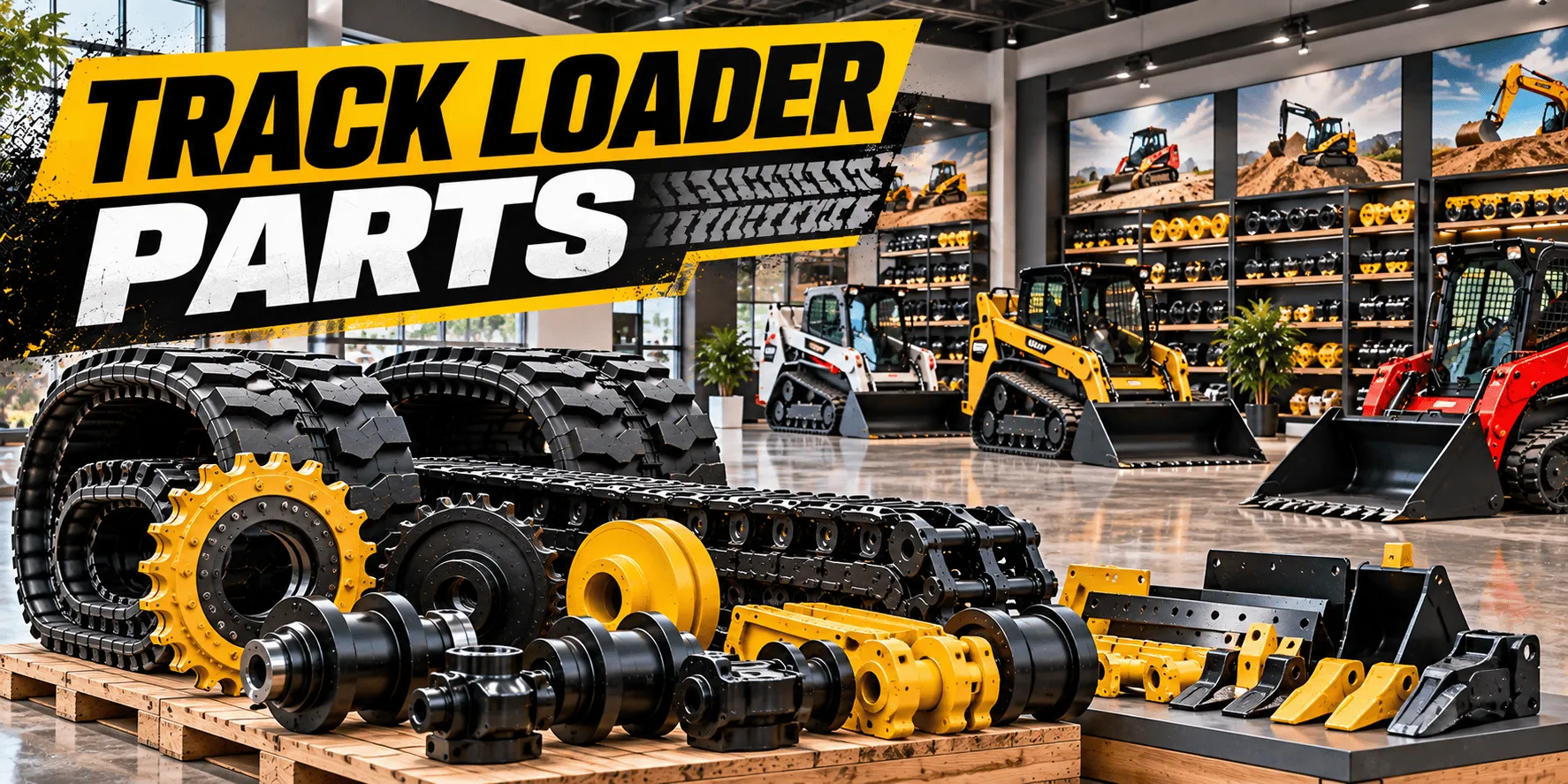
It is also sensible to ask suppliers about stock status and typical delivery arrangements. A product listing does not always confirm immediate availability, so obtain clear information before relying on an estimated date. When sourcing track loader parts, confirm the machine model and serial number to help identify the correct components. Accurate identification reduces the risk of ordering errors and unnecessary delays.
For used equipment, inspect the machine's service history where records are available. Previous repairs may reveal recurring faults or components which have already been replaced. A qualified technician can assess the machine's condition and identify possible maintenance needs before purchase. Combining an inspection with parts availability checks gives buyers a more informed basis for deciding whether the loader is suitable.
Why Supplier Location and Delivery Options Matter
Supplier location can affect how quickly a component reaches the repair site. Parts held at a nearby warehouse may arrive sooner than items requiring transfer from another location. However, distance alone does not determine delivery speed. Stock status, order processing, carrier schedules and shipping method can all influence the final arrival date.
Buyers should distinguish between dispatch estimates and delivery estimates. A supplier may process an order quickly, but transit time can still vary. For urgent repairs, ask whether expedited shipping is available and whether additional charges apply. Compare these costs with the likely expense of continued downtime before choosing a delivery option.
Clear communication also matters when delivery dates change. Ask how order updates will be provided and whether tracking information is available. Contractors can then adjust technician bookings and site schedules with greater confidence. Reviewing equipment parts suppliers on the quality of their information, alongside price and availability, supports better purchasing decisions.
Planning Maintenance Around Expected Lead Times
Maintenance planning can reduce the pressure associated with urgent parts orders. Regular inspections help identify wear before it develops into a major failure. When a component shows signs of deterioration, buyers have more time to confirm specifications, compare prices and arrange delivery. This can reduce the need for rushed decisions during busy periods.
Keeping records of previous repairs can also improve planning. Note which components were replaced, how long orders took to arrive and whether delivery estimates were accurate. These records may help identify items which warrant earlier ordering. A practical preventive maintenance schedule should reflect machine usage, manufacturer recommendations and the operating conditions in which the loader works.
Some businesses may benefit from holding frequently used service items in stock. The right approach depends on fleet size, storage space, cash flow and the consequences of equipment downtime. Keeping every possible component on site is rarely practical. Instead, prioritise items based on usage history, replacement frequency and their importance to machine operation.
Evaluating Parts Support When Comparing Loader Options
When comparing loader models, buyers should assess parts support alongside performance, price and suitability for the job. Two machines with similar capabilities may differ in the ease of obtaining routine service items or specialist components. Researching these differences before purchase can help buyers estimate future maintenance requirements and plan for potential delays.
Ask for details about component identification, ordering procedures, warranty conditions and expected delivery times. If the machine will work in a remote location, consider how easily parts can reach the site. These practical questions are especially relevant for businesses with limited spare equipment. Reliable access to loader replacement parts can influence how effectively a machine fits into an existing fleet.
Vine and Branch Equipment Supply is one option buyers may consider when sourcing heavy equipment components. As with any supplier, confirm the exact part number, compatibility, current stock status and delivery terms before placing an order. Buyers should compare the information provided with their own maintenance needs rather than relying on assumptions. A careful assessment supports realistic budgeting and more informed equipment purchasing decisions.
Frequently Asked Questions
What is a parts lead time?
A parts lead time is the period between ordering a component and receiving it. It depends on stock availability, order processing, supplier location and shipping arrangements. Buyers should confirm whether an estimate covers dispatch only or delivery to the required address.
Why do parts lead times matter when buying a loader?
Long lead times can extend repairs and increase the cost of equipment downtime. Buyers who check availability before purchasing can better assess maintenance requirements and plan for potential delays. This is particularly important when a loader is essential to daily site operations.
How can contractors reduce delays when ordering loader parts?
Contractors can maintain accurate machine records, inspect equipment regularly and identify worn components early. They should confirm part numbers and stock status before ordering. Planning routine maintenance in advance also allows more time to compare supply options.
Should parts availability affect the choice of loader?
Yes. Buyers should consider how easily routine and specialist components can be obtained for the machine under consideration. Parts support is especially important for older equipment, remote worksites and businesses with limited backup machinery. It should be assessed alongside purchase price, condition and operating requirements.





















Sign in to leave a comment.