

High-risk activities require more than procedures and safety equipment. Employees, supervisors, contractors, and permit issuers must understand how to identify hazards, apply controls, follow authorization procedures, and stop work when conditions change.
This is why permit to work training is an important part of an effective workplace safety program. Training helps employees understand how the permit process works and how their responsibilities can affect the safety of everyone involved in a job.
What Is Permit-to-Work Training?
Permit-to-work training teaches personnel how to properly use and follow a permit-to-work process before carrying out hazardous activities.
Depending on the organization's operations, training may cover activities such as:
- Hot work
- Confined space entry
- Electrical work
- Work at height
- Excavation
- Equipment maintenance
- Line breaking
- Isolation and energy control
- Other hazardous or non-routine activities
The objective is not simply to teach employees how to complete a form. It is to help them understand the hazards, controls, authorization requirements, and responsibilities associated with the work.
Why PTW Training Matters
A permit system can only be effective when the people using it understand its purpose. If employees treat permits as administrative paperwork, important safety controls may be overlooked.
Effective training helps personnel understand why each stage of the process is necessary. They learn how to recognize hazards, verify precautions, communicate with other teams, and ensure that work is performed only under approved conditions.
Training also helps create a consistent approach across different departments, contractors, and work locations.
Understanding Roles and Responsibilities
A permit-to-work process normally involves several roles. These may include the person requesting the work, permit issuers, performing authorities, supervisors, safety professionals, and authorized workers.
Each role has different responsibilities.
Training should clearly explain who can request, review, approve, issue, receive, suspend, and close a permit. It should also explain what employees should do when the actual site conditions differ from the conditions described in the permit.
Clear role definitions can reduce confusion and improve communication between operations and safety teams.
Training Employees to Identify Hazards
Hazard identification is a key part of safe work planning. Personnel should understand how the work activity, equipment, environment, and surrounding operations can create risks.
For example, a maintenance activity may involve several hazards at the same time, including energy sources, chemicals, confined spaces, hot surfaces, or nearby simultaneous activities.
Training can help employees recognize these hazards before work begins and understand which controls need to be verified before authorization.
Connecting Training With Risk Assessment
Permit training should not be separated from the organization's broader risk assessment process.
Employees should understand how identified hazards influence permit requirements and control measures. They should also know when additional assessments or approvals may be necessary.
This creates a stronger connection between hazard identification, risk assessment, and work authorization.
Using Digital Tools to Reinforce PTW Procedures
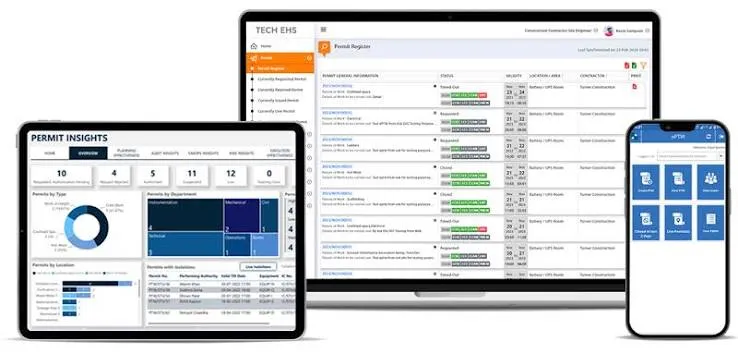
Organizations are increasingly moving from paper-based permits to digital permit management. A digital platform can provide structured workflows and make permit requirements easier to follow.
A permit to work software solution can help organizations standardize permit forms, approval workflows, risk assessments, isolation requirements, notifications, and permit closure.
When employees are trained to use the digital workflow correctly, technology can support the organization's safety procedures rather than becoming another administrative task.
Training Contractors and Temporary Workers
Contractors and temporary workers may be unfamiliar with a site's specific permit procedures. Providing appropriate training before they begin high-risk work can help establish common expectations.
Contractor training can cover site-specific permit requirements, communication procedures, emergency expectations, required controls, and responsibilities during permit execution.
This can be particularly useful at industrial facilities where multiple organizations work simultaneously.
Practical and Scenario-Based Training
PTW training is often more effective when it goes beyond theoretical explanations. Practical exercises and realistic scenarios can help employees understand how the process works in actual workplace situations.
Training scenarios could include identifying hazards for hot work, determining required controls for confined space entry, responding to changing site conditions, or deciding when a permit should be suspended.
Scenario-based learning allows employees to practice decision-making before they encounter similar situations in the field.
Measuring Training Effectiveness
Training should not end when an employee completes a course. Organizations can review whether employees are correctly applying permit procedures during actual work.
Useful indicators may include permit errors, repeated procedural issues, audit observations, training completion rates, and recurring findings during field inspections.
These insights can help safety teams identify where refresher training or additional guidance may be required.
Supporting PTW Training With TECH EHS Solution
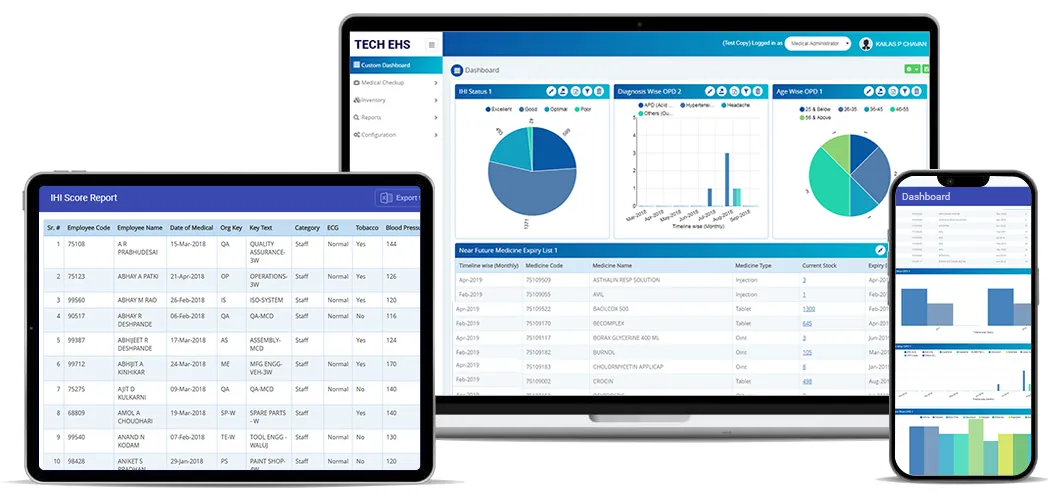
TECH EHS Solution provides digital tools for managing EHS processes, including permit-to-work activities. A structured digital PTW workflow can help organizations bring permit requests, risk information, approvals, work controls, monitoring, and closure into one centralized environment.
When supported by appropriate training, digital PTW management can help organizations create a more consistent approach to controlling hazardous work.
Conclusion
A permit-to-work process is only as effective as the people responsible for following it. Proper training helps employees understand their roles, recognize hazards, verify controls, and follow authorization procedures correctly.
Combining effective training with a structured digital permit process can help organizations improve consistency, visibility, and control across high-risk work activities.





















Sign in to leave a comment.